
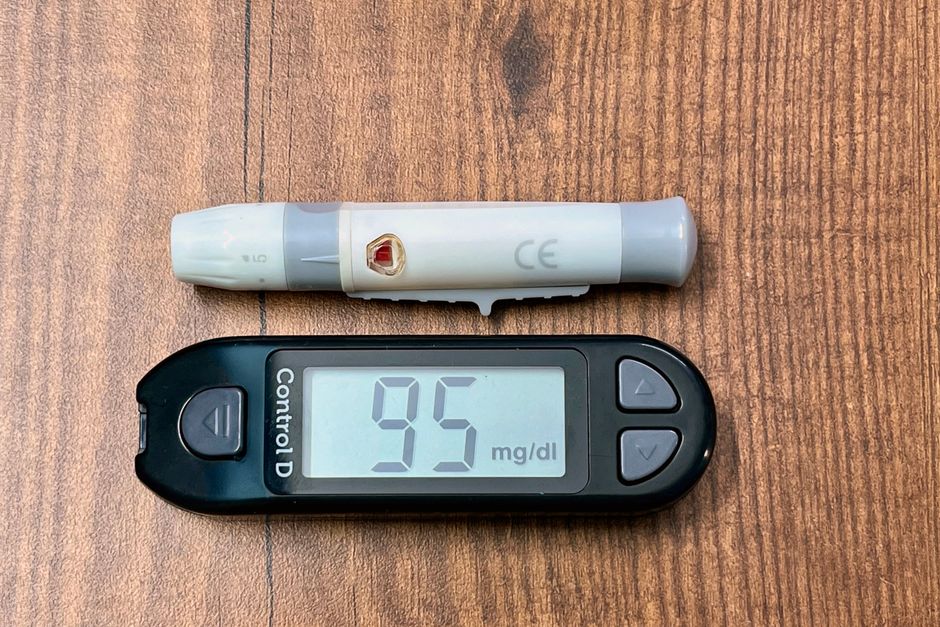
Your blood glucose level is the amount of sugar in your blood at any given moment. For most healthy adults without diabetes, a normal fasting glucose level is between 70 and 99 mg/dL. Two hours after eating, a normal level stays under 140 mg/dL. These numbers come from the American Diabetes Association and are backed by decades of clinical research. If your fasting glucose reads 100 to 125 mg/dL, that is considered prediabetes. A reading of 126 mg/dL or higher on two separate tests means diabetes. These are the standard ranges, and they apply to most people regardless of age, though some slight variation exists for pregnant women and older adults.
What Is a Normal Fasting Blood Sugar Level?
Fasting blood sugar is measured after you have not eaten for at least eight hours. Research shows that a normal fasting glucose range is 70 to 99 mg/dL. This is the most common test doctors use to screen for diabetes and prediabetes.
When your fasting level stays between 100 and 125 mg/dL, it is called impaired fasting glucose. This is the medical term for prediabetes. About one in three American adults has prediabetes, according to the Centers for Disease Control and Prevention. Most of them do not know it. If your fasting level hits 126 mg/dL or higher on two separate occasions, that is a diabetes diagnosis.
Some people report feeling fine with fasting levels above 100 mg/dL. That does not mean it is normal. The evidence is clear that sustained levels above 99 mg/dL increase your risk for heart disease, kidney damage, and nerve problems over time. Your body can tolerate higher glucose for a while, but the damage is cumulative.
What Should Your Glucose Level Be After Eating?
After a meal, your blood sugar rises naturally. That is normal. The key question is how high it goes and how quickly it comes back down. For someone without diabetes, blood sugar two hours after eating should be below 140 mg/dL.
If your level is between 140 and 199 mg/dL two hours after eating, that is impaired glucose tolerance. This is another form of prediabetes. A reading of 200 mg/dL or higher at the two-hour mark indicates diabetes. These numbers come from the oral glucose tolerance test, which is the gold standard for diagnosing gestational diabetes and type 2 diabetes.
One non-obvious insight: the speed of your glucose rise matters more than the peak number for some people. Studies have found that rapid spikes, even within the normal range, can trigger inflammation and oxidative stress in blood vessels. This is why eating protein and fiber before carbohydrates can help flatten the curve. It is not just about the number, but how you get there.
How Do Hemoglobin A1c Ranges Compare to Daily Glucose Readings?
Hemoglobin A1c is a different measure. It shows your average blood sugar over the past two to three months. A normal A1c is below 5.7 percent. Prediabetes sits between 5.7 and 6.4 percent. Diabetes is 6.5 percent or higher.
Daily glucose readings tell you what is happening right now. A1c tells you the big picture. Both are useful, but they do not always match perfectly. Some people have normal fasting glucose but elevated A1c because their blood sugar spikes after meals. Others have high fasting glucose but normal A1c because their body compensates during the day.
Current research suggests that A1c may miss some cases of early diabetes, especially in certain ethnic groups. People of African, Asian, and Hispanic descent can have A1c values that underestimate their true average glucose. If you are in one of these groups and your A1c is borderline, ask your doctor about a continuous glucose monitor or an oral glucose tolerance test for a clearer picture.
| Measure | Normal | Prediabetes | Diabetes |
|---|---|---|---|
| Fasting Glucose | 70–99 mg/dL | 100–125 mg/dL | 126+ mg/dL |
| 2-Hour Post-Meal | Under 140 mg/dL | 140–199 mg/dL | 200+ mg/dL |
| Hemoglobin A1c | Below 5.7% | 5.7–6.4% | 6.5%+ |


What Factors Can Cause Your Glucose to Be Higher Than Normal?
Many things push blood sugar up beyond diet. Stress is a major one. When you are under pressure, your body releases cortisol and adrenaline. These hormones tell your liver to release stored glucose for energy. If you are stressed all the time, your glucose stays higher than it should.
Poor sleep also raises glucose. Studies have found that even one night of four hours of sleep can reduce insulin sensitivity by about 25 percent in healthy adults. Over time, chronic sleep deprivation is linked to higher fasting glucose and higher A1c. This is not a minor effect. It is comparable to what some diabetes medications aim to achieve.
Dehydration matters too. When you are low on water, your blood becomes more concentrated. This can make glucose readings appear higher than they actually are. Drinking enough water is one of the simplest ways to keep your numbers accurate and your metabolism running smoothly.
Infections and illness can spike glucose significantly. Your immune system requires extra energy to fight off viruses or bacteria, and your liver responds by releasing more sugar. If you are sick and your glucose is high, wait until you recover before worrying about the number. It will likely come back down on its own.
How Can You Maintain Normal Glucose Levels Without Extreme Diets?
You do not need to cut out all carbohydrates to keep your glucose in a normal range. The evidence does not support extreme restriction for most people. What works better is changing the order and composition of your meals.
- Eat vegetables and protein first, then fats, then carbohydrates last. This slows digestion and blunts the glucose spike.
- Walk for 10 to 15 minutes after meals. Muscle contraction pulls glucose out of your blood without needing insulin. This is one of the most effective non-drug interventions available.
- Include vinegar or lemon juice with meals. A small amount of acetic acid can reduce the post-meal glucose response by up to 20 percent in some studies.
- Avoid liquid carbohydrates like soda, fruit juice, and sweetened coffee drinks. Liquid sugar enters your bloodstream faster than solid food and produces the largest glucose spikes.
- Eat whole fruits instead of drinking fruit juice. The fiber in whole fruit slows sugar absorption significantly.
Strength training also improves insulin sensitivity long-term. Building muscle gives your body more tissue that can absorb glucose without needing as much insulin. This effect lasts for hours after your workout ends. Two to three strength sessions per week can meaningfully lower your average glucose over time.
What Are Common Misconceptions About Normal Blood Sugar Ranges?
The most common myth is that your blood sugar should stay perfectly flat all day. That is not how human metabolism works. Your glucose will rise after eating, and that is normal. The goal is not to eliminate spikes but to keep them within healthy limits and bring them back down quickly.
Another misconception is that low blood sugar is always better. It is not. Hypoglycemia, or blood sugar below 70 mg/dL, can cause confusion, weakness, and fainting. For people without diabetes, low blood sugar is rare but can happen with extreme dieting, excessive alcohol intake, or certain medications. The sweet spot is the middle range, not the bottom.
Some people believe that fruit is bad for blood sugar because it contains sugar. This is not supported by evidence. Whole fruits contain fiber, water, and antioxidants that slow sugar absorption and reduce inflammation. The problem is not fruit. It is fruit juice and dried fruit with added sugar. An apple will not spike your glucose the way apple juice will.
As of 2026, there is no clinical evidence that continuous glucose monitors are necessary for people without diabetes or prediabetes. These devices are useful for learning how your body responds to different foods, but they can also cause unnecessary anxiety about normal fluctuations. If you do not have a diagnosed glucose problem, a standard finger stick test once or twice a year with your doctor is sufficient.
Frequently Asked Questions
What is a normal blood sugar level for a person without diabetes?
A normal fasting blood sugar level is between 70 and 99 mg/dL. Two hours after eating, it should be under 140 mg/dL.
Can stress cause high blood sugar in people without diabetes?
Yes, stress raises cortisol and adrenaline, which signal your liver to release glucose. Chronic stress can keep your blood sugar higher than normal.
Is it normal for blood sugar to go above 140 after eating?
For someone without diabetes, blood sugar should stay below 140 mg/dL two hours after eating. Spikes above that may indicate prediabetes.
How often should I check my blood sugar if I am healthy?
If you have no diabetes symptoms and no risk factors, checking once or twice a year with a doctor is enough. Daily monitoring is not necessary without a diagnosis.
