
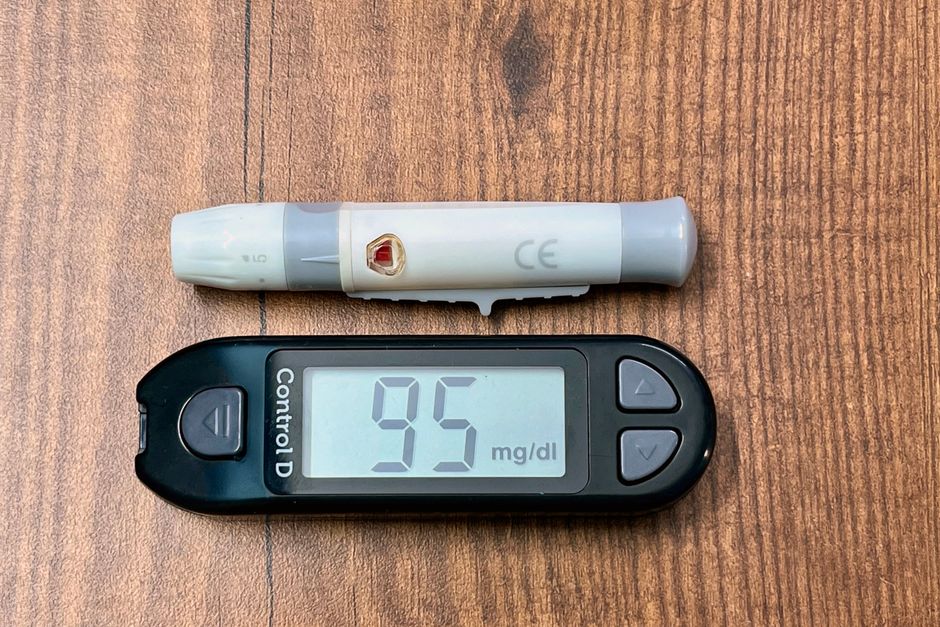
Blood sugar is a metric that comes up in nearly every health conversation, yet most people do not know what the numbers actually mean. A normal fasting glucose range is 70 to 99 mg/dL. Two hours after eating, a normal level stays under 140 mg/dL. These numbers come from the American Diabetes Association and are the standard that doctors use. Anything outside these ranges does not automatically mean diabetes, but it does mean you should pay attention.
What Is A Normal Glucose Range Levels Explained for Fasting and After Meals?
The body runs on glucose. It is the main fuel for your brain and muscles. When you wake up and have not eaten for eight to twelve hours, your blood sugar should sit between 70 and 99 mg/dL. This is called your fasting glucose. It is the most reliable single measurement for checking metabolic health.
After you eat, glucose rises. That is normal and expected. The key is how high it goes and how quickly it comes back down. Two hours after a meal, a healthy reading is under 140 mg/dL. If it goes above 140 but below 200, that is called impaired glucose tolerance. It is a warning sign, not a diagnosis. The CDC reports that roughly one in three American adults has prediabetes, and most of them do not know it.
HbA1c is the three-month average. It measures how much glucose has attached to your red blood cells. A normal HbA1c is below 5.7 percent. Between 5.7 and 6.4 percent is prediabetes. At 6.5 percent or higher, it is diabetes. This test does not require fasting and gives a broader picture than a single finger stick.
What Causes Blood Sugar to Go Outside Normal Range?
Several factors push glucose higher than it should be. The most obvious is diet. Meals high in refined carbohydrates and sugar cause rapid spikes. White bread, sugary drinks, and processed snacks are the usual culprits. But it is not just food. Stress raises cortisol, which signals the liver to release stored glucose. A single stressful morning meeting can raise your blood sugar by 15 to 20 points.
Sleep matters more than most people realize. Research published in the journal Diabetes Care found that sleeping fewer than six hours per night significantly impairs insulin sensitivity. Even one night of poor sleep can raise fasting glucose the next morning. Physical inactivity also plays a role. Muscles are the largest glucose sink in the body. When you do not move, glucose stays in the bloodstream longer.
Medications can interfere too. Steroids, certain blood pressure drugs, and some antidepressants are known to raise blood sugar. If you take any prescription medication and notice unusual glucose readings, check the side effects. The drug may be the cause.
| Measurement Type | Normal Range | Prediabetes Range | Diabetes Range |
|---|---|---|---|
| Fasting Glucose | 70 – 99 mg/dL | 100 – 125 mg/dL | 126 mg/dL or higher |
| 2-Hour Post-Meal | Under 140 mg/dL | 140 – 199 mg/dL | 200 mg/dL or higher |
| HbA1c | Below 5.7% | 5.7% – 6.4% | 6.5% or higher |
What Does Research Show About Maintaining Normal Glucose Levels?
The strongest evidence points to diet composition as the most powerful lever. A study from the New England Journal of Medicine followed over 3,000 people with prediabetes. Those who reduced carbohydrate intake and increased fiber saw their fasting glucose drop by an average of 12 points within six months. The effect was larger than what metformin produced in the same group.
Exercise timing matters. Research from the University of Virginia found that a fifteen-minute walk after a meal reduced post-meal glucose spikes by 22 percent compared to walking at any other time of day. The effect was strongest after dinner. Evening meals tend to be larger and more carb-heavy, making the post-dinner window especially important.
Some studies suggest that vinegar before a meal can blunt glucose spikes. A small trial in Diabetes Research and Clinical Practice had participants take two tablespoons of apple cider vinegar before a high-carb meal. Their post-meal glucose was 34 percent lower than the placebo group. The evidence is still limited. Do not treat vinegar as a treatment. It is a modest tool, not a solution.
Continuous glucose monitors are becoming popular among people without diabetes. They show real-time responses to specific foods. This is useful data. But it can also cause unnecessary anxiety. A brief spike to 130 mg/dL after eating is normal. Chasing flat lines can lead to restrictive eating that is not healthy. The body is designed to handle glucose variability within a reasonable range.





What Are Common Misconceptions About Normal Glucose Range?
The biggest myth is that normal glucose is a single number. It is not. It is a range that shifts throughout the day based on what you eat, when you eat, and how active you are. A fasting glucose of 95 is fine. A post-meal glucose of 95 is also fine, but it tells you nothing useful about your metabolic health. Context matters.
Another widespread belief is that fruit causes blood sugar spikes. Whole fruit does not. The fiber in fruit slows glucose absorption significantly. Berries, apples, and citrus have a minimal effect on blood sugar. Fruit juice is a different story. Juice removes the fiber and concentrates the sugar. A glass of orange juice can spike glucose as much as a soda.
Some people think that normal glucose means you can eat anything. That is false. Normal glucose today does not guarantee normal glucose next year. Insulin resistance builds slowly over years. You can have normal fasting glucose while your insulin is already elevated. This is why HbA1c is a better long-term marker. It catches problems that fasting glucose misses.
How Do You Check Your Glucose Level at Home?
Home glucose monitors are affordable and widely available. A basic meter costs around twenty dollars. Test strips are the ongoing expense. To get accurate results, wash your hands with soap and water before testing. Hand sanitizer can leave residue that skews the reading. Use the side of your fingertip, not the pad. The side has fewer nerve endings and gives a more consistent sample.
If you are checking for general health awareness, test at two specific times. First thing in the morning before eating gives you your fasting number. Two hours after your largest meal gives you your post-meal number. Testing randomly throughout the day creates noise, not insight. Stick to these two windows for useful data.
Continuous glucose monitors are more expensive but provide constant readings. They use a small sensor inserted under the skin. The data streams to your phone. These devices are valuable for understanding how specific foods affect you personally. The downside is cost and occasional sensor inaccuracy. The FDA has issued warnings about certain over-the-counter CGMs giving readings that are off by 20 points or more. If you use one, confirm unusual readings with a finger stick.
What Lifestyle Changes Actually Improve Glucose Levels?
Ordering your plate differently can lower post-meal glucose without changing what you eat. Eat vegetables first, then protein, then carbohydrates last. A study from Cornell University showed that this simple sequencing reduced post-meal glucose spikes by 29 percent. The mechanism is straightforward. Fiber and protein slow gastric emptying, so glucose enters the bloodstream more gradually.
- Eat protein and vegetables before starches and sugars at every meal.
- Walk for ten to fifteen minutes after your largest meal of the day.
- Prioritize seven to eight hours of sleep per night consistently.
- Replace sugary drinks with water, unsweetened tea, or black coffee.
- Include resistance training twice per week to build muscle mass.
Muscle tissue is metabolically active. More muscle means your body clears glucose from the blood more efficiently. This is not about becoming a bodybuilder. Adding a few pounds of lean muscle through bodyweight exercises or light weights makes a measurable difference. A study in the Journal of Applied Physiology found that eight weeks of resistance training improved insulin sensitivity by 23 percent in previously sedentary adults.
Stress management is often overlooked. Chronic stress keeps cortisol elevated, which tells your liver to release glucose constantly. Even if you eat well, your body will produce its own sugar. This is why two people eating the same meal can have very different glucose responses. One is calm, the other is stressed. The stressed person will have a higher spike. Deep breathing, a short walk, or simply stepping away from a screen for five minutes can lower cortisol enough to matter.
When Should You See a Doctor About Your Glucose Levels?
A single high reading is not a reason to panic. Meters have a margin of error. Stress, illness, or a bad night of sleep can push glucose up temporarily. But if your fasting glucose is consistently above 100 mg/dL, or your post-meal readings are above 140 mg/dL repeatedly, see a doctor. Same goes for an HbA1c above 5.7 percent.
Symptoms matter too. Frequent urination, excessive thirst, unexplained weight loss, and blurry vision are classic signs of high blood sugar. If you have any of these, do not wait. Get tested. The American Diabetes Association recommends that everyone over age 45 get screened for diabetes every three years. Earlier screening is advised if you are overweight or have a family history of diabetes.
Do not self-diagnose. Do not start a strict low-carb diet without medical supervision if your glucose is very high. Rapidly dropping blood sugar in someone with undiagnosed diabetes can cause complications. Get a proper diagnosis first, then work with your doctor on a plan. The numbers are just data. What matters is what you do with them.
Frequently Asked Questions
What is a normal blood sugar level for a person without diabetes?
A normal fasting blood sugar is between 70 and 99 mg/dL. Two hours after eating, it should be under 140 mg/dL.
Is 105 fasting blood sugar considered high?
A fasting level of 105 mg/dL falls into the prediabetes range. It is not diabetes, but it is a sign to make lifestyle changes.
Can drinking water lower blood sugar quickly?
Drinking water helps your kidneys flush excess glucose through urine. It does not lower blood sugar dramatically, but staying hydrated supports normal glucose regulation.
How often should I check my blood sugar at home?
For general health awareness, check your fasting level in the morning and two hours after your largest meal. Testing more often rarely provides useful additional information.
