
Knowing your blood type matters more than most people think. It can be critical in an emergency, important for pregnancy, and useful if you ever need a transfusion. The direct answer is that you can find out your blood type through a simple blood test at your doctor’s office, a local lab, or a blood donation center. Many people also discover their type through at-home test kits or by checking old medical records. Here is what you need to know about each option and how reliable they are.
Where Can I Go To Find Out My Blood Type at a Doctor or Clinic?
Your primary care doctor is the most straightforward place to start. They can order a blood type test as part of a routine blood draw. This test is called ABO typing and Rh typing. It checks for the A and B antigens and the Rh factor (positive or negative).
Most insurance plans cover this test if your doctor orders it for a medical reason. A common reason is pregnancy, where knowing the Rh factor is essential. Another reason is before a surgery where blood loss is possible. If you just want to know for personal knowledge, you may have to pay out of pocket. The cost is usually between $20 and $60 without insurance.
Walk-in clinics and urgent care centers can also run this test. They send the sample to a lab, and results come back in one to two days. This option works well if you do not have a primary care doctor or cannot get an appointment soon.
Can You Find Out Your Blood Type by Donating Blood?
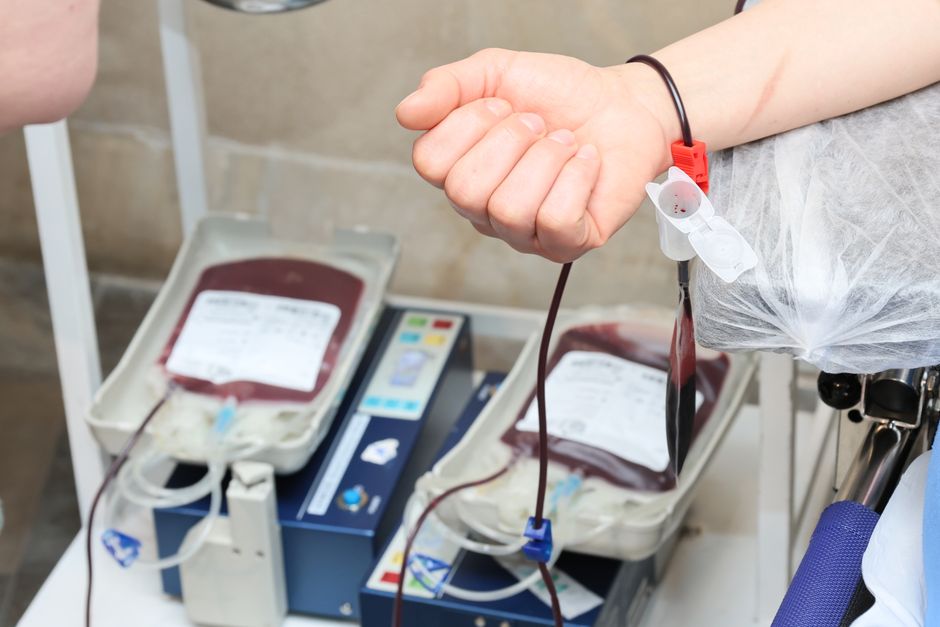
Yes. Donating blood is one of the easiest and cheapest ways to learn your blood type. Blood banks test every donation for ABO type and Rh factor. They do this to ensure the blood is safe for transfusion.
Most donation centers will tell you your type after your first donation. The American Red Cross, for example, sends donors a card with their blood type. You can also log into their donor portal to see the result. This is a free service. You are also helping save lives, which is a strong bonus.
One thing to keep in mind is that it takes a few weeks to get the result. The center needs to process and test the blood first. If you need an answer immediately, this is not the fastest option. But for most people, the wait is worth it.
What About At-Home Blood Type Test Kits?
At-home test kits are widely available at pharmacies and online. They work by pricking your finger and mixing the blood with antibodies on a card. The reaction shows whether you have A, B, or O antigens and whether you are Rh positive or negative.
Research shows these kits are generally accurate when used correctly. A 2016 study in the Journal of Clinical Pathology found that some home kits had accuracy rates above 99 percent. But the key phrase is “when used correctly.” User error is the biggest risk. If you do not get enough blood or misread the results, you could get a wrong answer.
Current research suggests these kits are a good option for personal knowledge. They are not recommended for medical decisions. If you need your type for a surgery or pregnancy, get a lab test instead. The cost of a home kit is usually between $10 and $30. That makes it the cheapest option for a one-time check.





Can You Find Out Your Blood Type from Old Medical Records?
Yes, your blood type may already be in your medical records. Many hospitals record it during past surgeries, blood transfusions, or pregnancies. If you were in the military, your blood type is almost certainly in your service records.
You can request your medical records from any hospital or clinic you have visited. Most providers offer an online patient portal where you can view lab results. Look for terms like “ABO group,” “blood type,” or “type and screen.” If you cannot find it online, call the medical records department. They can send you a copy by mail or secure email.
This is a free option if the records already exist. But there is a catch. The record may be old or incomplete. Some hospitals recorded blood types decades ago using less precise methods. As of 2026, most labs follow strict standards, but older records may have errors. If you find a result, it is worth confirming with a fresh test if you have any doubt.
What Does the Blood Type Test Actually Involve?
The test itself is simple and quick. A healthcare worker draws blood from your arm or pricks your finger. The sample is then mixed with antibodies that react to A and B antigens. If your blood clumps when mixed with anti-A antibodies, you have type A. If it clumps with anti-B, you have type B. If it clumps with both, you have type AB. If there is no clumping, you have type O.
The Rh test works the same way. If your blood clumps with anti-Rh antibodies, you are Rh positive. If not, you are Rh negative. The entire process takes about 10 to 15 minutes in a lab. Results from a doctor’s office usually take one to two days because the sample is sent out.
The test is very reliable. Lab-based testing has an accuracy rate above 99.9 percent. False results are extremely rare. This is why lab tests are the gold standard for medical use.
Common Misconceptions About Finding Your Blood Type
Many people believe they can guess their blood type based on their parents’ types. This is not reliable. While blood type is inherited, the genetics are more complex than most people realize. Two parents with type A can have a child with type O. Two parents with type O cannot have a child with type A or B, but exceptions from rare mutations exist. Guessing is never a substitute for testing.
Another myth is that your blood type affects your personality or diet. These claims are popular online but have no strong scientific backing. The “blood type diet” has been studied and found to have no specific benefit tied to blood type. Your blood type matters for transfusion and pregnancy, not for what you should eat.
Some people also think that blood type is listed on their driver’s license. This varies by state and country. In the United States, some states offer it as an optional field, but it is not standard. Even if it is listed, it may not be verified. Do not rely on a license for medical decisions.
Comparison of Methods to Find Your Blood Type
| Method | Cost | Time to Result | Accuracy | Best For |
|---|---|---|---|---|
| Doctor’s office lab test | $20–$60 (or covered by insurance) | 1–2 days | 99.9%+ | Medical needs, pregnancy, surgery |
| Blood donation center | Free | 2–4 weeks | 99.9%+ | Personal knowledge + helping others |
| At-home test kit | $10–$30 | 10 minutes | 95–99% (user dependent) | Quick personal check |
| Old medical records | Free | Hours to days | Variable (depends on record age) | Confirming known type |
Frequently Asked Questions
Can I find out my blood type without a blood test?
No. There is no reliable way to determine your blood type without a blood sample. Guessing based on family history is not accurate.
How much does a blood type test cost without insurance?
At a doctor’s office or lab, expect to pay between $20 and $60. At-home kits cost between $10 and $30.
Does donating blood tell you your blood type for free?
Yes. Most blood donation centers test your blood and provide your type at no cost. Results typically arrive within a few weeks.
Is an at-home blood type test as accurate as a lab test?
At-home tests are accurate when used correctly, but lab tests are more reliable for medical decisions. Lab tests have near-perfect accuracy.
