
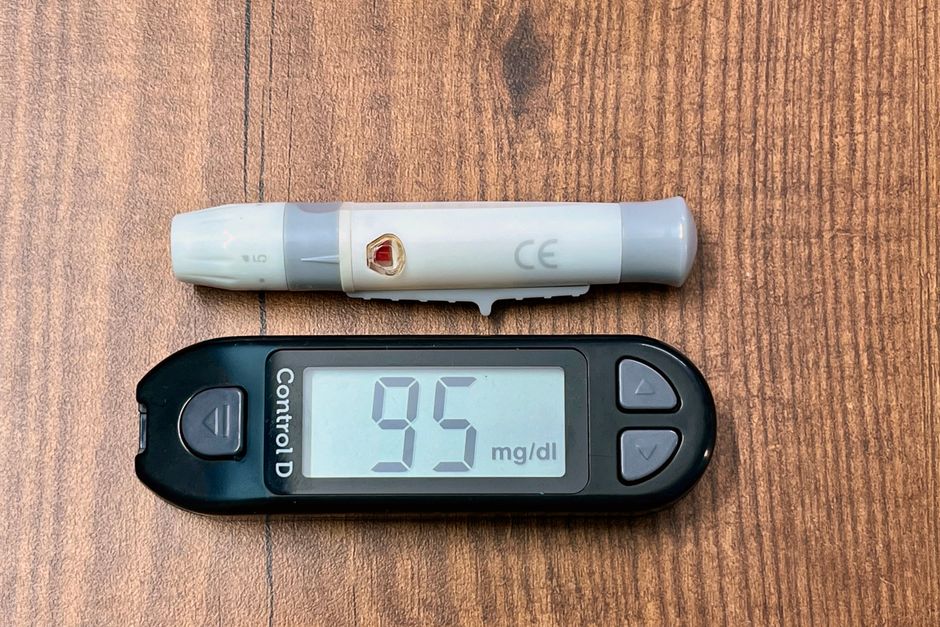
Normal blood glucose readings depend on when you test. For a fasting test (no food for at least 8 hours), a normal level is between 70 and 99 mg/dL. Two hours after a meal, a normal reading is less than 140 mg/dL. Another key measure is the HbA1c test, which shows average blood sugar over the past 2 to 3 months. A normal HbA1c is below 5.7%.
What Is a Normal Fasting Blood Glucose Level?
Fasting blood glucose measures your blood sugar after you have not eaten for at least 8 hours. This test gives your doctor a clear picture of how your body handles sugar without the influence of a recent meal.
A normal fasting level is 70 to 99 mg/dL. Levels between 100 and 125 mg/dL are considered prediabetes. Levels of 126 mg/dL or higher on two separate tests indicate diabetes. These numbers come from the American Diabetes Association and are the same standards used by most doctors in the United States.
If your fasting reading is below 70 mg/dL, that is called hypoglycemia, or low blood sugar. This can be dangerous and requires attention, especially if you have symptoms like dizziness, confusion, or shakiness.
What Is a Normal Blood Glucose Level After Eating?
Doctors often check blood glucose 2 hours after the start of a meal. This is called a postprandial glucose test. For someone without diabetes, a normal reading 2 hours after eating is less than 140 mg/dL.
Levels between 140 and 199 mg/dL suggest prediabetes or impaired glucose tolerance. A reading of 200 mg/dL or higher after a meal points to diabetes.
Your blood sugar rises briefly after you eat, especially if the meal contains carbohydrates. In someone with normal metabolism, the body releases insulin quickly to bring glucose back down within 2 hours. If the level stays high, it may mean your body is not handling sugar as well as it should.
What Is a Normal HbA1c Level?
The HbA1c test, also called the hemoglobin A1c or simply A1c, measures your average blood glucose over the past 2 to 3 months. It does not require fasting. A normal A1c level is below 5.7%.
An A1c between 5.7% and 6.4% indicates prediabetes. An A1c of 6.5% or higher on two separate tests means diabetes. This test is widely used to diagnose type 2 diabetes and to monitor blood sugar control in people who already have diabetes.
Many people prefer the A1c because it doesn’t require fasting and gives a longer-term picture. However, it can be affected by certain conditions like anemia or kidney disease. Your doctor will consider those factors when interpreting your result.





What Is a Normal Random Blood Glucose Level?
A random blood glucose test is taken at any time of day, regardless of when you last ate. For a person without diabetes, a random level is typically below 140 mg/dL.
If a random blood glucose reading is 200 mg/dL or higher and you also have symptoms of high blood sugar — such as frequent urination, extreme thirst, or unexplained weight loss — it strongly suggests diabetes. Doctors often use this test when someone has clear symptoms and needs a quick answer.
Because random tests vary widely based on timing, they are not used alone to diagnose diabetes. A fasting test or A1c is usually needed for confirmation.
What Should You Do If Your Blood Glucose Is Outside the Normal Range?
First, do not panic. One abnormal reading does not mean you have diabetes. Many things can temporarily raise or lower blood sugar, including stress, illness, medication, or what you ate.
If your fasting glucose is between 100 and 125 mg/dL, or your A1c is between 5.7% and 6.4%, you have prediabetes. This is a warning sign, but it is also an opportunity. Research shows that lifestyle changes — including weight loss, increased physical activity, and dietary adjustments — can lower your risk of developing type 2 diabetes.
If your levels are in the diabetes range, see your doctor. They will repeat the test to confirm and discuss treatment options. Diabetes is a manageable condition, and early treatment makes a difference.
For low blood sugar below 70 mg/dL, treat it quickly with 15 grams of fast-acting carbohydrate, such as glucose tablets, fruit juice, or regular soda. Recheck in 15 minutes and repeat if still low. If symptoms are severe or you cannot eat, seek emergency medical help.
What Factors Can Affect Blood Glucose Readings?
Many things can cause your blood glucose to go up or down, even in people without diabetes. Knowing these factors helps you interpret your numbers correctly.
Food and drink — Carbohydrates raise blood sugar most directly. Protein and fat have a smaller effect. Sugary drinks can spike glucose quickly.
Physical activity — Exercise usually lowers blood glucose, both during and after activity. This effect can last for hours.
Stress — Both physical and emotional stress trigger the release of hormones like cortisol and adrenaline, which raise blood sugar. Some studies suggest that chronic stress may keep glucose levels slightly elevated, but the effect varies from person to person.
Illness or infection — Being sick puts extra demand on your body and can raise blood glucose. This is true even if you do not have diabetes.
Medications — Some drugs, such as corticosteroids, certain diuretics, and some antidepressants, can raise blood sugar. Others, like insulin and sulfonylureas, lower it.
Sleep — Poor or insufficient sleep can affect insulin sensitivity and raise blood glucose. The exact mechanism is still being studied, but the link is well documented.
Time of day — Blood glucose tends to be lowest in the early morning before eating. In the morning, many people experience a natural rise called the dawn phenomenon, which is caused by the body releasing hormones to prepare for the day.
When Should You See a Doctor About Your Blood Glucose?
Talk to your doctor if you have symptoms of high blood sugar — such as frequent urination, excessive thirst, blurred vision, or fatigue. Also see a doctor if you have symptoms of low blood sugar — shakiness, sweating, confusion, or rapid heartbeat.
For people without known diabetes, it is a good idea to have your blood glucose checked at least once during a routine physical, especially if you are over 45 years old or have risk factors like being overweight, having a family history of diabetes, or being physically inactive. The United States Preventive Services Task Force recommends screening for prediabetes and type 2 diabetes in adults aged 40 to 70 who are overweight or obese.
If your fasting blood glucose is 100 mg/dL or higher on more than one test, or if your A1c is 5.7% or higher, schedule a follow-up visit with your doctor. These numbers do not mean you definitely have diabetes, but they do mean you need further evaluation.
For people with diagnosed diabetes, you should check your blood glucose as often as your doctor recommends. Report any readings that are consistently high or low, or if you have frequent trouble staying in your target range.
Frequently Asked Questions
What is a normal blood sugar level for a person without diabetes?
Normal fasting blood sugar is 70 to 99 mg/dL, and normal 2-hour post-meal blood sugar is less than 140 mg/dL. Normal HbA1c is below 5.7%.
What is a dangerous blood sugar level?
Blood sugar below 54 mg/dL is considered severely low and requires immediate treatment. Blood sugar above 250 mg/dL that stays high for hours can lead to diabetic ketoacidosis, especially in type 1 diabetes, and warrants medical attention.
Can stress cause high blood sugar?
Yes, stress can raise blood sugar. The body releases hormones like cortisol and adrenaline during stress, which signal the liver to release more glucose into the blood.
Are normal blood glucose levels the same for everyone?
The standard normal ranges apply to most healthy adults. However, individual targets may vary for pregnant women, older adults, or people with certain conditions. Your doctor can tell you your personal target range.
