
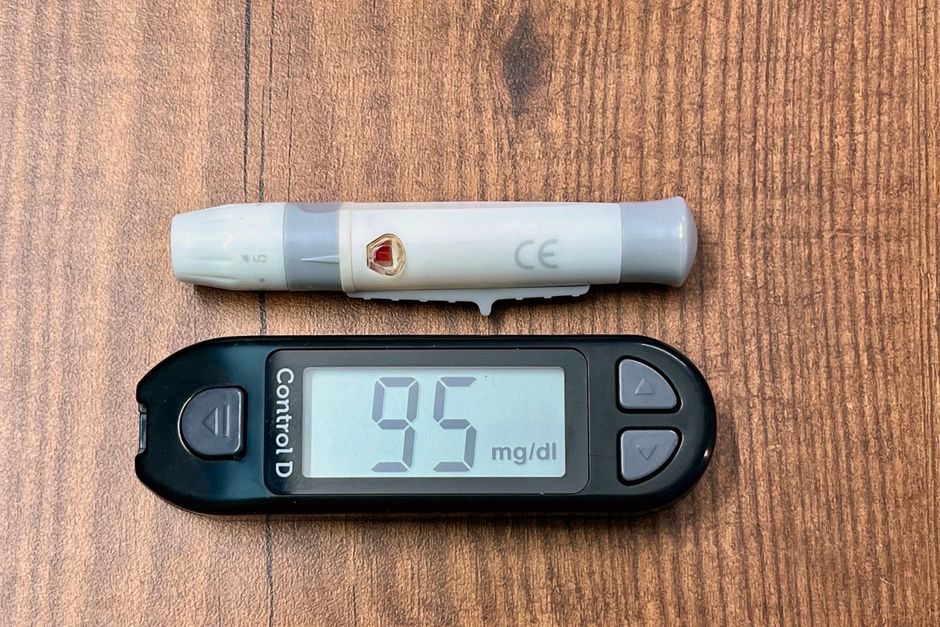
Blood sugar levels change as you age, but the normal range is more stable than most people think. For adults without diabetes, a normal fasting blood glucose is between 70 and 99 mg/dL. After eating, it should stay under 140 mg/dL. Age alone does not change these numbers. What changes is how common high blood sugar becomes as you get older. The key fact is this: the target range stays the same, but the risk of going outside that range increases with age.
What Is A Normal Blood Glucose Range By Age?
Medical guidelines set the same normal blood glucose range for all adults regardless of age. The American Diabetes Association states that a normal fasting blood glucose level is between 70 and 99 mg/dL. A level of 100 to 125 mg/dL is considered prediabetes. Anything 126 mg/dL or higher on two separate tests indicates diabetes.
After meals, blood sugar naturally rises. A normal reading two hours after eating is less than 140 mg/dL. This standard applies to adults in their 30s, 50s, and 70s. Age does not shift the goalposts. What does shift is how your body handles glucose as you get older. Insulin resistance tends to increase with age, which makes it harder to keep blood sugar in the normal range.
For older adults who already have diabetes, doctors sometimes set slightly higher targets. This is not because the normal range changes. It is because preventing dangerously low blood sugar becomes a higher priority in frail or elderly patients. The American Geriatrics Society suggests that for some older adults with diabetes, a fasting target of 90 to 150 mg/dL may be safer than the standard 70 to 130 mg/dL. This is a treatment decision, not a new definition of normal.
How Does Fasting Blood Sugar Differ From Post-Meal Blood Sugar?
Fasting blood sugar measures your glucose level after at least eight hours without food. This tells you how well your body manages glucose when no food is coming in. Your liver releases stored glucose during fasting, and insulin keeps it in check. A normal fasting reading is 70 to 99 mg/dL.
Post-meal blood sugar, also called postprandial glucose, measures how your body handles the sugar from food. Two hours after starting a meal, your blood sugar should be below 140 mg/dL. This number matters because it catches early problems that fasting tests can miss. Some people have normal fasting glucose but spike too high after eating. The American Diabetes Association considers post-meal readings a useful tool for catching prediabetes early.
Research published in the journal Diabetes Care found that post-meal blood sugar levels tend to rise more sharply in people over 60. This happens even when their fasting levels look normal. If you only check fasting blood sugar, you might miss this early warning sign.
What Blood Sugar Levels Indicate Prediabetes or Diabetes?
The numbers are clear and come from the CDC and the American Diabetes Association. A fasting blood glucose of 100 to 125 mg/dL is prediabetes. A fasting level of 126 mg/dL or higher on two separate tests is diabetes. An A1C of 5.7% to 6.4% is prediabetes. An A1C of 6.5% or higher is diabetes.
A1C measures your average blood sugar over the past two to three months. It does not require fasting. This makes it a convenient screening tool. The CDC estimates that 96 million American adults have prediabetes, and more than 80% of them do not know it.
One non-obvious detail is that A1C can be less accurate in certain groups. People with anemia, kidney disease, or certain hemoglobin variants may get falsely high or low A1C results. If your A1C does not match your glucose meter readings, ask your doctor about a fructosamine test or a continuous glucose monitor instead.



Does Blood Sugar Naturally Rise With Age?
Yes, blood sugar tends to rise as you get older, but this is not normal in the sense of being healthy. It is common. The distinction matters. Many older adults accept higher blood sugar as an inevitable part of aging. That is a mistake.
Research shows that insulin sensitivity decreases by about 1% per year after age 30 for most people. Muscle mass also declines, and muscle tissue is a major site for glucose uptake. Less muscle means less capacity to clear sugar from your bloodstream. This combination makes blood sugar drift upward over time if nothing changes.
But this drift is preventable and often reversible. A study published in The New England Journal of Medicine found that lifestyle changes reduced the risk of progressing from prediabetes to diabetes by 58% in people over 60. That is a larger effect than medication alone. The key takeaway is that age-related blood sugar rise is not a fixed destiny. It responds to diet, exercise, and weight management at any age.
What Factors Affect Blood Glucose Beyond Age?
Age is one factor, but it is not the most important one. Several other factors have a bigger impact on your blood sugar day to day.
- Diet quality: Meals high in refined carbohydrates and sugar cause rapid spikes. Fiber, protein, and fat slow glucose absorption.
- Physical activity: Exercise makes your muscle cells more sensitive to insulin. A single 30-minute walk can lower blood sugar for up to 24 hours.
- Body weight: Excess abdominal fat increases insulin resistance. Losing 5% to 7% of body weight significantly improves glucose control.
- Sleep: Poor sleep raises cortisol, which increases blood sugar. Even one night of sleep deprivation can impair glucose tolerance the next day.
- Stress: Chronic stress keeps stress hormones elevated, which tells your liver to release more glucose.
- Medications: Steroids, some blood pressure drugs, and certain antidepressants can raise blood sugar.
If your blood sugar is creeping up, look at these factors first before assuming it is just your age. Many people reverse prediabetes by addressing one or two of these areas without medication.
Blood Sugar Targets for Different Age Groups
This table shows standard blood sugar targets for adults. These apply to most healthy adults regardless of age. The older adult column reflects adjusted targets sometimes used for safety in people with diabetes who are frail or have other health conditions.
| Measurement | Normal (All Adults) | Prediabetes | Diabetes (Standard Target) | Older Adult with Diabetes (Adjusted) |
|---|---|---|---|---|
| Fasting glucose | 70-99 mg/dL | 100-125 mg/dL | 80-130 mg/dL | 90-150 mg/dL |
| Post-meal (2 hours) | Below 140 mg/dL | 140-199 mg/dL | Below 180 mg/dL | Below 200 mg/dL |
| A1C | Below 5.7% | 5.7% to 6.4% | Below 7.0% | Below 8.0% |
The adjusted targets for older adults exist to prevent hypoglycemia, not because high blood sugar is acceptable. Low blood sugar in an elderly person can cause falls, confusion, and hospitalization. For a healthy 70-year-old with no other medical issues, standard targets still apply.
Common Misconceptions About Blood Sugar and Age
One widespread myth is that blood sugar of 140 mg/dL fasting is normal for someone over 65. It is not. That number falls into the diabetes range. Many older adults are told their blood sugar is fine because it is “normal for their age.” This is not supported by evidence. The complications of high blood sugar — nerve damage, kidney disease, vision loss — do not care how old you are. They happen at the same glucose levels regardless of age.
Another myth is that checking blood sugar at home is only for people with diabetes. The CDC and the American Diabetes Association both recommend that adults over 45 get tested for prediabetes every three years. If you have risk factors like excess weight, a family history of diabetes, or high blood pressure, you should get tested earlier and more often. You do not need a prescription for a home glucose meter. They cost about $20 at any pharmacy.
A third misconception is that A1C is always accurate. As mentioned earlier, it can be misleading in certain conditions. If your A1C result seems off compared to your daily readings, ask your doctor about a continuous glucose monitor for two weeks. That gives a much clearer picture of your real blood sugar patterns.
Frequently Asked Questions
What is a normal blood sugar level for a 60-year-old?
The same as for any adult: 70 to 99 mg/dL fasting and below 140 mg/dL two hours after meals. Age does not change the normal range.
Is 105 mg/dL fasting blood sugar bad?
Yes, it falls into the prediabetes range of 100 to 125 mg/dL. It is not diabetes yet, but it is a warning sign that your body is struggling with glucose.
Does drinking water lower blood sugar?
Water helps your kidneys flush excess glucose through urine. Staying hydrated can moderately lower blood sugar, but it will not fix the underlying issue of insulin resistance.
Can a healthy person have blood sugar over 200 after eating?
No. A reading over 200 mg/dL two hours after eating is a sign of diabetes. If this happens more than once, see a doctor for a full evaluation.
