
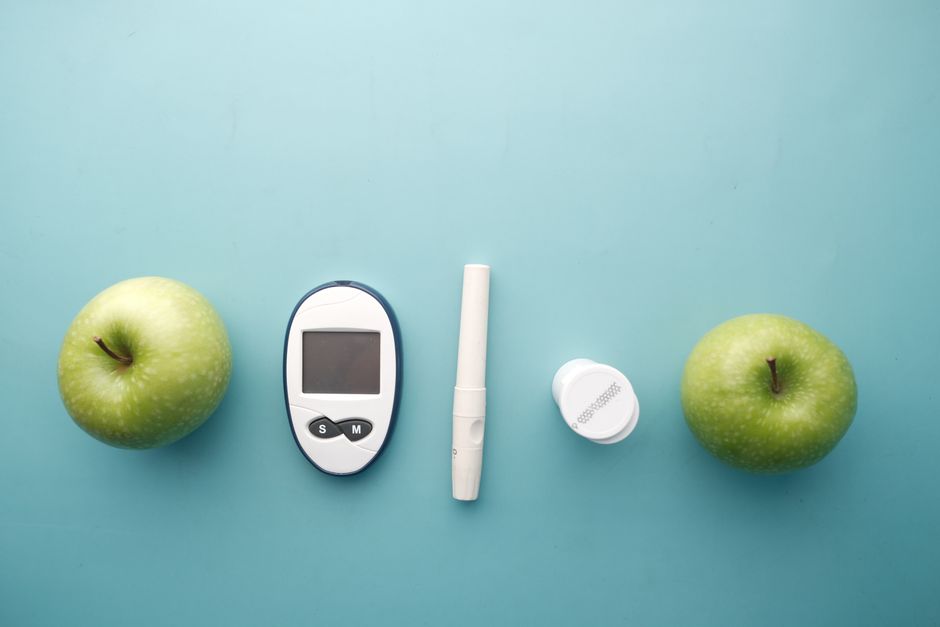
Blood sugar levels measure how much glucose is in your blood at any given moment. Glucose is your body’s main energy source, and it comes from the food you eat. For most healthy adults, normal blood sugar levels range from 70 to 99 mg/dL when fasting, and under 140 mg/dL two hours after eating. These numbers matter because consistently high or low levels can signal problems with how your body processes glucose.
What Do Blood Sugar Numbers Actually Mean?
Blood sugar numbers tell you how well your body manages glucose. When you eat, carbohydrates break down into glucose and enter your bloodstream. Your pancreas releases insulin, a hormone that helps glucose move into your cells for energy. This process keeps your blood sugar from getting too high.
The numbers fall into clear categories. A fasting blood sugar below 70 mg/dL is low, or hypoglycemia. Between 70 and 99 mg/dL is normal. A result of 100 to 125 mg/dL suggests prediabetes. At 126 mg/dL or higher on two separate tests, doctors diagnose diabetes.
These ranges come from the American Diabetes Association and are widely accepted. But one number does not tell the whole story. Blood sugar changes throughout the day based on what you eat, when you eat, your activity level, stress, and even sleep quality.
What Are Blood Sugar Levels And Normal Ranges for Different Times of Day?
Your blood sugar naturally rises and falls. The timing of your test matters a lot.
Before meals, a normal range is 80 to 130 mg/dL for most people without diabetes. Two hours after starting a meal, it should be under 180 mg/dL. For people without diabetes, the post-meal spike is usually lower, staying under 140 mg/dL.
Fasting levels, taken after at least eight hours without food, are the most standard measure. This is what your doctor checks during a physical. A fasting level of 100 to 125 mg/dL means impaired fasting glucose, which is another name for prediabetes.
Here is a quick comparison of normal ranges:
| Time of Test | Normal Range (mg/dL) | Prediabetes Range (mg/dL) | Diabetes Range (mg/dL) |
|---|---|---|---|
| Fasting (8+ hours) | 70-99 | 100-125 | 126 or higher |
| 2 hours after meal | Under 140 | 140-199 | 200 or higher |
| Random (any time) | Under 140 | 140-200 | 200 or higher |
These are guidelines, not hard rules. Individual targets can vary based on age, pregnancy, and other health conditions. Your doctor may set different goals for you.
How Do You Know If Your Blood Sugar Is Out of Range?
High blood sugar, or hyperglycemia, often has no obvious symptoms at first. Over time, signs can include frequent urination, increased thirst, blurred vision, fatigue, and slow-healing cuts. Many people live with mildly elevated blood sugar for years without knowing it.
Low blood sugar, or hypoglycemia, tends to hit faster. Symptoms include shakiness, sweating, confusion, irritability, and hunger. Severe low blood sugar can cause fainting or seizures and needs immediate treatment.
The tricky part is that these symptoms can overlap with other conditions. Fatigue and thirst alone do not mean you have high blood sugar. But if these symptoms are persistent, a simple blood test can give you answers.
As of 2026, current research suggests that continuous glucose monitors, once only for people with diabetes, are becoming more common for general health tracking. These devices can show your glucose patterns throughout the day. Some people find them helpful. But experts caution that overreacting to normal minor fluctuations can cause unnecessary worry.




What Causes Blood Sugar to Spike or Drop?
Many things affect blood sugar beyond just food. Understanding these factors can help you interpret your numbers better.
Carbohydrates have the biggest impact. Simple carbs like white bread, sugary drinks, and candy cause rapid spikes. Complex carbs like whole grains and vegetables raise blood sugar more slowly. Protein and fat have little direct effect on blood sugar but can slow down how quickly carbs hit your system.
Physical activity lowers blood sugar. When you exercise, your muscles use glucose for energy, which pulls sugar out of your bloodstream. This effect can last for hours after you finish working out.
Stress raises blood sugar. Your body releases hormones like cortisol and adrenaline during stressful moments. These hormones tell your liver to release stored glucose for quick energy. Chronic stress can keep your blood sugar higher than normal.
Sleep matters too. Poor sleep reduces insulin sensitivity, meaning your cells do not respond as well to insulin. This can lead to higher blood sugar after meals.
Some people believe that eating too much sugar directly causes diabetes. That is not exactly accurate. A diet high in sugar can lead to weight gain, and excess weight is a major risk factor for type 2 diabetes. But sugar itself is not the sole cause. Genetics, activity level, and overall diet all play roles.
What Tests Measure Blood Sugar Levels?
Your doctor has several ways to check your blood sugar. Each test gives different information.
The fasting plasma glucose test is the most common. You fast for eight hours, then a lab draws your blood. This test measures your blood sugar at one point in time.
The A1C test shows your average blood sugar over the past two to three months. It measures how much glucose is attached to your red blood cells. A normal A1C is below 5.7 percent. Prediabetes is 5.7 to 6.4 percent. Diabetes is 6.5 percent or higher. This test does not require fasting.
The oral glucose tolerance test checks how your body handles a sugar load. You fast, drink a sugary liquid, and have your blood tested at intervals over two hours. This test is often used during pregnancy to check for gestational diabetes.
Home glucose monitors let you check your own blood sugar with a finger prick. These are mostly used by people with diabetes, but some people without diabetes use them for curiosity. If you do this, be aware that normal fluctuations are common. A single high reading after a large meal is not cause for alarm.
What Lifestyle Factors Actually Help Maintain Normal Blood Sugar?
Research shows that certain habits support healthy blood sugar levels. These are backed by evidence, not hype.
Regular physical activity is one of the most effective tools. Both aerobic exercise like walking or cycling and resistance training like lifting weights improve how your body uses insulin. Aim for at least 150 minutes of moderate activity per week. Even a 15-minute walk after meals can help lower post-meal blood sugar spikes.
Diet matters, but not in the way many viral articles claim. Eating fewer refined carbohydrates and more fiber-rich foods like vegetables, beans, and whole grains helps keep blood sugar steady. Fiber slows down digestion and prevents rapid glucose spikes.
Some people report that apple cider vinegar before meals lowers blood sugar. A few small studies suggest it may have a modest effect. But the evidence is not strong enough to recommend it as a treatment. It is not a substitute for diet and exercise.
Weight management is important. Excess body fat, especially around the abdomen, makes your cells less sensitive to insulin. Losing even 5 to 7 percent of your body weight can improve blood sugar control. That is 10 to 14 pounds for someone who weighs 200 pounds.
Sleep and stress management are often overlooked. Chronic sleep deprivation and high stress both raise blood sugar. Prioritizing seven to nine hours of quality sleep and finding ways to manage stress can make a real difference.
Common Misconceptions About Blood Sugar
Several myths about blood sugar spread quickly online. It helps to know what is real and what is not.
One common claim is that fruit is bad for blood sugar because it contains sugar. This is not accurate. Whole fruits contain fiber, which slows down sugar absorption. Eating fruit is linked to lower diabetes risk, not higher. Fruit juice is different because it lacks fiber and can spike blood sugar.
Another myth is that everyone should keep their blood sugar below 100 mg/dL at all times. This is unrealistic. Blood sugar naturally rises after meals. The goal is not to eliminate spikes but to keep them within a healthy range.
Some people believe that low-carb diets are the only way to manage blood sugar. Low-carb eating can help, but it is not necessary for everyone. A balanced diet with moderate carbohydrates works well for most people. Extreme restriction can be hard to maintain long-term.
There is also a claim that cinnamon can cure high blood sugar. Some studies have found that cinnamon may have a small effect on fasting blood sugar. But the effect is modest, and cinnamon does not replace medical treatment. High doses of cinnamon can also be harmful to your liver.
Frequently Asked Questions About What Are Blood Sugar Levels And Normal Ranges
What is a normal blood sugar level for a person without diabetes?
A normal fasting blood sugar level is between 70 and 99 mg/dL. Two hours after eating, it should be under 140 mg/dL for most people without diabetes.
Can stress really raise your blood sugar?
Yes, stress hormones like cortisol tell your liver to release stored glucose, which raises blood sugar. Chronic stress can keep your levels higher than normal over time.
How often should I check my blood sugar if I do not have diabetes?
Routine checking is not necessary for people without diabetes or symptoms. If you are concerned, a simple blood test from your doctor during a physical is sufficient.
What is the difference between blood sugar and A1C?
Blood sugar measures your glucose at a single moment. A1C measures your average blood sugar over the past two to three months and does not require fasting.
