
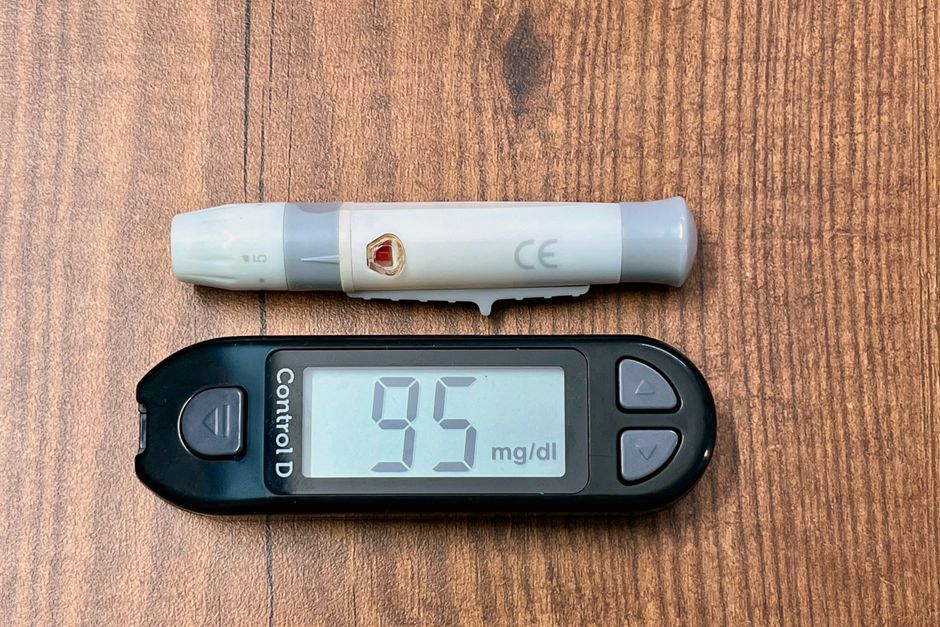
Blood sugar is a number that matters for everyone, not just people with diabetes. Your body constantly works to keep glucose in a healthy zone. When that system fails, the numbers climb or drop to dangerous levels. A “bad” glucose level means a reading that falls outside the normal healthy range. For most adults, a fasting blood sugar above 125 mg/dL is considered diabetic, while a level below 70 mg/dL is too low. Between 100 and 125 mg/dL signals prediabetes. These numbers are the standard clinical thresholds used by doctors to diagnose and manage blood sugar problems. Understanding what these ranges mean helps you know when a reading is a concern and when it requires immediate medical attention.
What Is A Bad Glucose Level Ranges Explained?
A bad glucose level falls outside the body’s healthy operating range. The standard reference ranges are well established in clinical medicine. For a fasting blood sugar test, which means no food for at least 8 hours, a normal reading is 70 to 99 mg/dL. A fasting level of 100 to 125 mg/dL indicates prediabetes. A fasting level of 126 mg/dL or higher on two separate tests indicates diabetes.
For non-fasting readings, taken 1 to 2 hours after a meal, the targets differ. A normal post-meal glucose level stays below 140 mg/dL. Readings between 140 and 199 mg/dL suggest prediabetes. A reading of 200 mg/dL or higher after eating points to diabetes.
Low blood sugar is equally important. A glucose level below 70 mg/dL is considered hypoglycemia. This threshold matters because the brain depends on glucose for fuel. When levels drop this low, symptoms like confusion, sweating, and shakiness can appear. Severe hypoglycemia below 54 mg/dL is a medical emergency.
What Do the Numbers Mean for Your Health?
Numbers alone do not tell the whole story. A single high reading does not automatically mean you have diabetes. Stress, illness, medications, and what you ate can all raise glucose temporarily. That is why doctors repeat tests before making a diagnosis.
Consistently high glucose damages blood vessels over time. This damage affects the eyes, kidneys, nerves, and heart. The risk increases as average glucose levels rise. Prediabetes matters because it is a warning zone. Many people with prediabetes develop type 2 diabetes within 5 to 10 years without intervention. The good news is that lifestyle changes can reverse prediabetes in many cases.
Low blood sugar carries immediate risks. When glucose drops too low, the brain cannot function properly. Severe hypoglycemia can cause seizures, loss of consciousness, and even death. People taking insulin or certain diabetes medications face the highest risk of dangerous lows.
How Is Glucose Measured?
Several tests measure blood glucose. Each gives different information about your metabolic health.
Fasting plasma glucose measures blood sugar after an 8-hour fast. This test is simple and widely used. It reflects your body’s baseline glucose regulation.
Oral glucose tolerance test measures how your body handles a concentrated sugar drink. Your blood is drawn before the drink and again at intervals afterward, typically at 1 and 2 hours. This test is the standard for diagnosing gestational diabetes in pregnancy.
Hemoglobin A1c shows your average blood sugar over the past 2 to 3 months. This test measures how much glucose has attached to red blood cells. It does not require fasting. An A1c below 5.7 percent is normal. An A1c of 5.7 to 6.4 percent indicates prediabetes. An A1c of 6.5 percent or higher indicates diabetes.
Continuous glucose monitors track glucose levels throughout the day and night. These devices use a small sensor inserted under the skin. They provide real-time data that fingerstick tests cannot capture. Some research suggests these monitors help people understand how food, exercise, and stress affect their glucose patterns.


What Causes Dangerous Glucose Fluctuations?
Blood sugar swings happen for many reasons. Understanding the causes helps you interpret your readings accurately.
Carbohydrates raise blood sugar most directly. Foods like bread, rice, pasta, fruit, and sugary drinks convert to glucose during digestion. The speed and amount of the rise depend on the food type, portion size, and what else you eat alongside it.
Physical activity lowers blood sugar. Muscles use glucose for energy during exercise. This effect can last for hours after you finish working out. For people with diabetes, adjusting medication or food intake around exercise is often necessary.
Stress hormones raise blood sugar. Cortisol and adrenaline signal the liver to release stored glucose. This is a survival mechanism. Chronic stress can keep glucose levels higher than normal.
Illness and infection also raise blood sugar. The immune response triggers hormone changes that increase glucose production. People with diabetes often need more insulin or medication when they are sick.
Certain medications affect glucose levels. Steroids, some blood pressure drugs, and certain psychiatric medications can raise blood sugar. Other drugs, particularly those for diabetes, can lower it too much.
What Are the Symptoms of Bad Glucose Levels?
High blood sugar often produces subtle symptoms at first. Many people feel nothing unusual until levels are quite high. When symptoms do appear, they include increased thirst, frequent urination, fatigue, and blurry vision. These symptoms develop gradually. They are easy to dismiss or attribute to other causes.
Very high glucose, typically above 250 mg/dL, can cause more noticeable symptoms. Dry mouth, nausea, and confusion may appear. Extremely high levels above 400 mg/dL risk a serious condition called hyperosmolar hyperglycemic state. This is a medical emergency requiring immediate treatment.
Low blood sugar symptoms come on faster and are harder to ignore. Early signs include shakiness, sweating, hunger, and a racing heart. As levels drop further, confusion, irritability, and difficulty concentrating appear. Severe lows can cause seizures or unconsciousness.
Not everyone experiences symptoms at the same threshold. People who have had diabetes for many years may not feel symptoms until glucose drops quite low. This condition, called hypoglycemia unawareness, is dangerous because it removes the early warning signs.
When Should You Seek Medical Help?
Some glucose readings require immediate medical attention. Do not wait to see if symptoms improve on their own.
Seek emergency care if your blood sugar is below 54 mg/dL and you cannot raise it with fast-acting carbohydrates. Also seek emergency care if you are confused, unconscious, or unable to swallow. These are signs of severe hypoglycemia that can be life-threatening.
Seek emergency care for blood sugar above 400 mg/dL, especially if you have ketones in your urine, are vomiting, or feel confused. These signs point to diabetic ketoacidosis, a dangerous complication where the body produces excess blood acids.
For less extreme readings, contact your doctor. A fasting glucose above 125 mg/dL warrants a follow-up appointment. An A1c above 6.5 percent does too. If you experience frequent low blood sugar episodes, your medication may need adjustment. Do not change your medication dose on your own. That decision belongs to your healthcare provider.
Can Lifestyle Changes Improve Bad Glucose Levels?
Yes. Lifestyle changes are the first-line treatment for prediabetes and type 2 diabetes. The evidence supporting this is strong and consistent across multiple clinical trials.
Weight loss improves glucose control. Research shows that losing 5 to 7 percent of body weight reduces the risk of progressing from prediabetes to diabetes. For a 200-pound person, that is 10 to 14 pounds. This level of weight loss improves insulin sensitivity and lowers fasting glucose.
Physical activity directly lowers blood sugar. Both aerobic exercise and resistance training improve glucose control. The effect is immediate after exercise and compounds over time. Aim for at least 150 minutes of moderate activity per week, spread across most days.
Dietary changes matter. Reducing refined carbohydrates and sugary drinks helps stabilize glucose. Increasing fiber, vegetables, and lean protein slows glucose absorption. Meal timing also plays a role. Eating regular meals prevents large swings between highs and lows.
Sleep affects glucose regulation. Poor sleep reduces insulin sensitivity and raises stress hormones. Studies consistently show that short or disrupted sleep worsens glucose control. Prioritizing 7 to 9 hours of quality sleep supports healthy blood sugar.
What Is the Difference Between Type 1 and Type 2 Diabetes?
The distinction matters because the causes and treatments differ. Type 1 diabetes is an autoimmune condition. The immune system attacks the insulin-producing cells in the pancreas. People with type 1 diabetes produce little or no insulin. They require insulin injections or an insulin pump to survive.
Type 2 diabetes is primarily a condition of insulin resistance. The body’s cells do not respond normally to insulin. The pancreas initially produces more insulin to compensate. Over time, insulin production may decline. Type 2 diabetes often responds to lifestyle changes, oral medications, and injectable non-insulin drugs before insulin becomes necessary.
Gestational diabetes occurs during pregnancy. Hormones from the placenta interfere with insulin action. It usually resolves after delivery but increases the mother’s risk of developing type 2 diabetes later in life.
Frequently Asked Questions
What glucose level is considered dangerous?
A fasting glucose above 125 mg/dL or a non-fasting reading above 200 mg/dL is dangerous. A glucose level below 54 mg/dL is also dangerous and requires immediate treatment.
Is 100 blood sugar bad?
A fasting blood sugar of 100 mg/dL is at the upper edge of normal but not yet diabetic. Readings between 100 and 125 mg/dL indicate prediabetes and warrant attention.
What is a normal blood sugar level by age?
Normal blood sugar ranges are the same for healthy adults regardless of age. Fasting levels of 70 to 99 mg/dL are considered normal for all adults.
Can drinking water lower blood sugar?
Water helps your kidneys flush excess glucose through urine. Staying hydrated supports normal blood sugar regulation, but water alone cannot correct high blood sugar caused by diabetes.
