
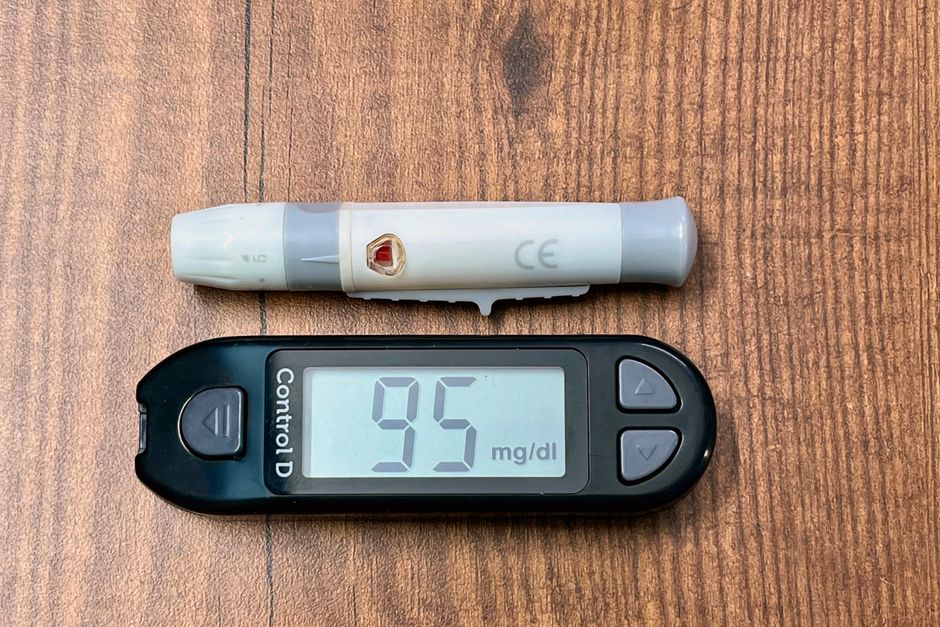
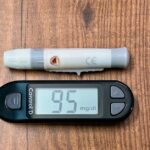
Your blood sugar level changes all day long, depending on what you eat, when you eat, and how your body handles it. For most healthy adults, a normal fasting glucose level is under 100 mg/dL, and a normal reading two hours after a meal is under 140 mg/dL. These numbers are the standard reference points used by doctors to tell the difference between normal blood sugar, prediabetes, and diabetes.
What Is a Normal Fasting Glucose Level?
Fasting blood sugar is measured after you have not eaten or drunk anything except water for at least 8 hours. It is often the first test done to check for diabetes.
A normal fasting glucose level is under 100 mg/dL. This is the established diagnostic threshold used worldwide. If your fasting glucose is between 100 and 125 mg/dL, that is considered prediabetes. A fasting glucose of 126 mg/dL or higher on two separate tests indicates diabetes.
These numbers come from the American Diabetes Association and the World Health Organization. They are not estimates. They are the clinical standards that guide diagnosis and treatment decisions.
What Is a Normal Blood Sugar Level After Eating?
Blood sugar rises after you eat because your body breaks down carbohydrates into glucose. The size of that rise depends on what you ate, how much you ate, and how quickly your body releases insulin.
Two hours after the start of a meal, a normal blood sugar level is under 140 mg/dL. This is the standard post-meal target for people without diabetes. If your two-hour post-meal glucose is between 140 and 199 mg/dL, that is considered impaired glucose tolerance, another form of prediabetes. A reading of 200 mg/dL or higher suggests diabetes.
One hour after eating, blood sugar can rise higher and still be normal. Some people without diabetes will briefly reach 160 or 170 mg/dL an hour after a carbohydrate-heavy meal. The key is that it comes back down to under 140 mg/dL by the two-hour mark.
How Does the Body Keep Blood Sugar in a Normal Range?
Your body runs a continuous balancing act between two hormones: insulin and glucagon. Both are made in the pancreas.
When blood sugar rises after a meal, the pancreas releases insulin. Insulin signals your muscle, fat, and liver cells to take glucose out of the bloodstream and use it for energy or store it for later. This brings blood sugar back down.
When blood sugar drops between meals or overnight, the pancreas releases glucagon. Glucagon tells the liver to release stored glucose back into the bloodstream. This keeps your blood sugar from falling too low.
In a healthy person, this system works smoothly. Blood sugar stays in the normal range with little effort. In someone with insulin resistance or diabetes, the cells do not respond to insulin properly, or the pancreas does not make enough insulin. Blood sugar then stays higher than it should.

What Is the A1C Test and Why Does It Matter?
The A1C test is a different way to measure blood sugar. Instead of showing your level at one moment, it shows your average blood sugar over the past 2 to 3 months.
Red blood cells carry glucose on their surface. The A1C test measures what percentage of your hemoglobin, the oxygen-carrying protein in red blood cells, has glucose attached to it. The more glucose in your blood over time, the higher the A1C percentage.
A normal A1C level is under 5.7 percent. An A1C between 5.7 and 6.4 percent indicates prediabetes. An A1C of 6.5 percent or higher indicates diabetes.
The A1C test is useful because it does not require fasting. You can take it at any time of day. It also gives a bigger picture than a single fingerstick reading, which only shows what your blood sugar is doing at that exact moment.
What Is the Difference Between Prediabetes and Diabetes?
Prediabetes is a warning stage. Blood sugar is higher than normal but not high enough to be diagnosed as diabetes. Many people with prediabetes do not know they have it because it usually causes no symptoms.
Diabetes is diagnosed when blood sugar reaches a level that causes damage to blood vessels and nerves over time. That damage can affect the eyes, kidneys, heart, and feet.
The diagnostic numbers are:
- Fasting glucose under 100 mg/dL is normal
- Fasting glucose 100-125 mg/dL is prediabetes
- Fasting glucose 126 mg/dL or higher is diabetes
- Two-hour post-meal glucose under 140 mg/dL is normal
- Two-hour post-meal glucose 140-199 mg/dL is prediabetes
- Two-hour post-meal glucose 200 mg/dL or higher is diabetes
- A1C under 5.7 percent is normal
- A1C 5.7-6.4 percent is prediabetes
- A1C 6.5 percent or higher is diabetes
Diagnosis requires confirmation. A single high reading is not enough. Doctors repeat the test on a different day to confirm the result before making a diabetes diagnosis.
What Can Make Your Blood Sugar Higher Than Normal?
Several factors can push blood sugar above the normal range, even in people without diabetes. Stress is one. When you are under physical or emotional stress, your body releases cortisol and adrenaline. These hormones raise blood sugar to give you energy for a fight-or-flight response.
Illness can also raise blood sugar. Infections, surgery, and other physical stressors make the body release glucose to support the immune system. This is a normal response, and blood sugar usually returns to normal once the illness resolves.
Certain medications raise blood sugar. Corticosteroids, some diuretics, and some psychiatric medications are known to do this. If you take any of these, your blood sugar may run higher than it would otherwise.
Lack of sleep matters too. Studies show that even one night of poor sleep can reduce insulin sensitivity the next day. Over time, chronic poor sleep is linked to a higher risk of developing type 2 diabetes.
Can You Have Normal Fasting Glucose but High Post-Meal Glucose?
Yes. This is a real and recognized pattern. Some people have normal fasting blood sugar but their levels spike too high after meals.
This happens because the body can maintain normal glucose levels when it is not being challenged, but it cannot handle the sudden flood of glucose from a carbohydrate-heavy meal. The insulin response is too slow or too weak to keep the post-meal rise under control.
Fasting glucose alone will miss this pattern. That is why some doctors order an oral glucose tolerance test, which measures how your body responds to a standard dose of glucose over several hours. If your fasting glucose is normal but your two-hour value is elevated, you may still have prediabetes or diabetes.
Some research suggests that post-meal glucose spikes may matter for long-term health even when fasting glucose is normal. The evidence here is still developing, and there is no consensus on whether this pattern alone increases the risk of complications.
How Often Should You Check Your Blood Sugar?
If you have not been diagnosed with diabetes or prediabetes, routine home blood sugar monitoring is not recommended. A fasting glucose test and an A1C test, done as part of a regular checkup, are sufficient for most people.
If you have prediabetes, your doctor may recommend checking your A1C once or twice a year to track whether your levels are improving or getting worse.
If you have diabetes, the frequency of blood sugar checks depends on your treatment plan. People taking insulin may need to check several times a day. People managing diabetes with lifestyle changes alone may need fewer checks. Your doctor will give you specific guidance based on your situation.
Home glucose monitors are widely available, and many people without diabetes use them out of curiosity. While they can show you how your body responds to different foods, they are not a substitute for medical testing. If you are concerned about your blood sugar, talk to a doctor rather than relying on home monitoring alone.
What Should You Do If Your Blood Sugar Is Above Normal?
If a blood test shows you have prediabetes, this is the point where lifestyle changes can make the biggest difference. Research consistently shows that modest weight loss and increased physical activity can prevent or delay the progression from prediabetes to type 2 diabetes.
The strongest evidence supports a few specific changes. Losing 5 to 7 percent of your body weight, if you are overweight, has been shown to reduce diabetes risk. Increasing physical activity to about 150 minutes per week of moderate exercise also helps. Reducing sugary drinks and refined carbohydrates like white bread and pastries can lower post-meal glucose spikes.
If your blood sugar is already in the diabetes range, these same lifestyle changes are still important, but medication may also be necessary. Metformin is the most commonly prescribed first-line medication for type 2 diabetes. It works by reducing glucose production in the liver and improving insulin sensitivity.
The most important step is to see a doctor. Blood sugar levels in the prediabetes or diabetes range should not be managed on your own. A doctor can confirm the diagnosis, rule out other causes, and create a treatment plan that fits your specific situation.
Frequently Asked Questions
What is a normal blood sugar level in the morning?
A normal fasting glucose level in the morning is under 100 mg/dL after at least 8 hours without food. Levels between 100 and 125 mg/dL indicate prediabetes.
Is 110 fasting blood sugar too high?
Yes, a fasting blood sugar of 110 mg/dL is in the prediabetes range. It is not diabetes, but it is higher than normal and should be discussed with a doctor.
What is a normal blood sugar 2 hours after eating?
A normal blood sugar level 2 hours after the start of a meal is under 140 mg/dL. Readings between 140 and 199 mg/dL indicate impaired glucose tolerance, which is a form of prediabetes.
Can drinking water lower blood sugar?
Drinking water does not directly lower blood sugar, but staying hydrated helps your kidneys flush excess glucose through urine. It can help, but it will not correct high blood sugar on its own.
