
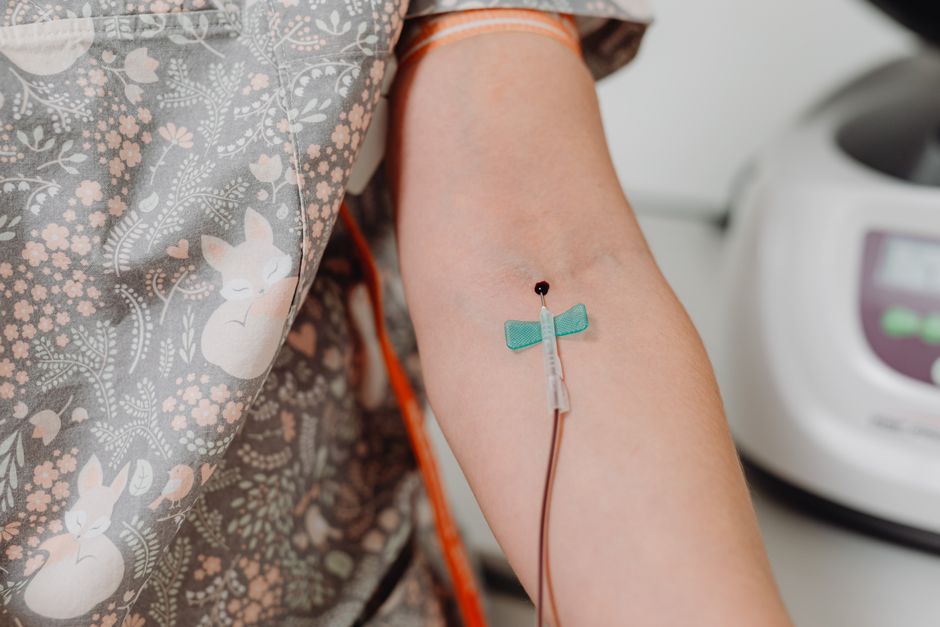
Low blood pressure, or hypotension, usually does not cause symptoms unless it drops enough to reduce blood flow to your brain and organs. The clearest signs include feeling dizzy or lightheaded when standing up quickly, blurred vision, nausea, or fainting. If you experience these symptoms regularly, checking your blood pressure with a home monitor is a reliable first step. A reading below 90/60 mmHg is considered low, but many people live without issues at that level.
What Are the Most Common Symptoms of Low Blood Pressure?
The body sends clear signals when blood pressure drops too much. Dizziness or lightheadedness is the most reported symptom, especially when moving from sitting to standing. This happens because gravity pulls blood to your legs and your body cannot adjust fast enough to keep blood flowing to your brain.
Other common symptoms include blurry vision, nausea, fatigue, and cold clammy skin. Some people feel unusually thirsty or have trouble concentrating. Fainting, or syncope, happens when blood pressure drops severely and the brain does not get enough oxygen. If you faint, it is important to see a doctor to rule out underlying causes.
Research shows that symptoms vary widely between individuals. One person may feel faint at 85/55 mmHg while another feels fine at 75/50 mmHg. The pattern of symptoms matters more than a single number.
How To Tell If You Have Low Blood Pressure at Home?
Using a home blood pressure monitor is the most direct method. Choose an automatic upper arm monitor that has been validated for accuracy. Wrist monitors are less reliable and should be avoided if possible.
Follow these steps for an accurate reading:
- Sit quietly for at least five minutes before measuring
- Keep your feet flat on the floor and back supported
- Place the cuff on bare skin, not over clothing
- Keep your arm at heart level on a table
- Take two readings one minute apart and average them
Take readings at different times of day, especially when you feel symptoms. Keep a log for at least one week before sharing it with your doctor. A single low reading is not a diagnosis. The pattern over time is what matters.
Some people develop “white coat hypertension” where their blood pressure rises in a medical setting. Home monitoring helps avoid this and gives a truer picture of your daily blood pressure.
What Causes Low Blood Pressure in Healthy Adults?
For many people, low blood pressure is simply their normal state. Genetics play a strong role. If your parents have low blood pressure, you are more likely to have it too. Athletes and people who exercise regularly often have lower resting blood pressure because their hearts pump more efficiently.
Dehydration is a common reversible cause. When you lose more water than you take in, your blood volume drops, which lowers pressure. Heat exposure, heavy sweating, and not drinking enough water can all trigger temporary drops.
Medications are another major cause. Blood pressure drugs, diuretics, antidepressants, and medications for erectile dysfunction can all lower pressure. Beta-blockers and alpha-blockers are especially known for this effect. If you started a new medication and noticed symptoms, talk to your doctor before stopping it.
Some studies suggest that low blood pressure can be linked to nutritional deficiencies, particularly low vitamin B12 and folate levels. These nutrients help your body produce enough red blood cells. Without enough, you can develop anemia, which reduces oxygen delivery and can cause symptoms similar to hypotension.

When Is Low Blood Pressure Dangerous?
Most low blood pressure is not dangerous. But certain situations require medical attention. If you experience chest pain, shortness of breath, or a rapid weak pulse along with low pressure, call for emergency help. These could signal internal bleeding, a heart attack, or a severe allergic reaction.
Orthostatic hypotension, a drop in pressure when standing, becomes more common with age. Current research suggests it affects about 20% of adults over 65. This form is dangerous because it increases fall risk. Falls in older adults often lead to fractures and hospital stays.
Another serious form is postprandial hypotension, where blood pressure drops within two hours after eating. This happens because blood flows to the digestive system. It is more common in older adults and people with Parkinson’s disease or diabetes. Symptoms include dizziness after meals and sometimes fainting.
Septic shock is a medical emergency where blood pressure drops to dangerously low levels due to a widespread infection. Signs include confusion, fever, rapid breathing, and mottled skin. This requires immediate hospital treatment.
How Does Low Blood Pressure Compare to High Blood Pressure?
Low and high blood pressure affect the body in opposite ways, but both can cause serious problems if left untreated. The table below summarizes the key differences.
| Characteristic | Low Blood Pressure | High Blood Pressure |
|---|---|---|
| Typical reading | Below 90/60 mmHg | 130/80 mmHg or higher |
| Common symptoms | Dizziness, fainting, fatigue, blurred vision | Often no symptoms until severe |
| Long-term risk | Falls, fainting, organ damage if severe | Heart attack, stroke, kidney damage |
| Treatment approach | Increase fluids, salt, address cause | Lifestyle changes, medications |
| Prevalence | Less common, often underdiagnosed | Very common, affects nearly half of US adults |
High blood pressure gets more attention because it is more common and causes silent damage over years. Low blood pressure is less studied but can be equally disruptive to daily life. The key difference is that low pressure symptoms are immediate and obvious, while high pressure often has no warning signs until damage is done.
What Lifestyle Changes Help Manage Low Blood Pressure?
If your low blood pressure causes symptoms, small changes can make a big difference. Drink more water throughout the day. Dehydration is one of the easiest causes to fix. Aim for 8 to 10 glasses unless your doctor has told you to limit fluids for another reason.
Increase your salt intake slightly, but only after talking to your doctor. Salt raises blood pressure by retaining water in your bloodstream. A pinch of extra salt on meals or drinking an electrolyte beverage can help. People with heart failure or kidney disease should not increase salt without medical guidance.
Wear compression stockings if you have orthostatic hypotension. These stockings apply gentle pressure to your legs, which helps push blood back toward your heart. They are not the same as regular socks. Medical-grade compression stockings come in different pressure levels and require a proper fitting.
Eat smaller more frequent meals if you experience dizziness after eating. Large meals pull more blood to your digestive system, which can drop pressure. Five or six small meals spread across the day can prevent this effect.
Avoid standing up too quickly. When you wake up or get up from a chair, sit on the edge of the bed for a minute first. Move slowly. This gives your circulatory system time to adjust. The same advice applies after hot showers or baths, which can dilate blood vessels and lower pressure.
Common Misconceptions About Low Blood Pressure
Many people believe that low blood pressure is always good because high blood pressure is bad. This is not accurate. While low pressure is often harmless, symptomatic hypotension can reduce quality of life and increase injury risk. There is a difference between having naturally low pressure and having pressure so low that your brain does not get enough blood.
Another misconception is that caffeine reliably fixes low blood pressure. Caffeine does cause a temporary spike in blood pressure, but the effect is small and short-lived. Regular caffeine users develop tolerance, so the effect diminishes over time. Relying on coffee to manage symptoms is not a sustainable strategy.
Some people think that feeling tired all the time means they have low blood pressure. Fatigue has many causes, including poor sleep, stress, thyroid problems, and depression. Low blood pressure is just one possibility. Checking your pressure and tracking symptoms helps determine if it is the cause.
As of 2026, there is no clinical evidence that any supplement or herbal remedy reliably treats low blood pressure. Some people report that licorice root or salt tablets help, but strong evidence is limited. Always check with a doctor before trying supplements, as some can interact with medications.
Frequently Asked Questions
What is the most accurate way to check for low blood pressure at home?
Use a validated upper arm automatic monitor and follow the same steps each time. Take readings at different times of day and record them for a week.
Can low blood pressure cause headaches?
Some people report headaches with low blood pressure, but this is not a well-established symptom. Dizziness and fainting are much more common than headache.
Should I be worried if my blood pressure is 85/55 but I feel fine?
No. Many healthy people live with readings below 90/60 without any problems. Only symptomatic low blood pressure needs treatment.
Does dehydration always cause low blood pressure?
Dehydration often lowers blood pressure, but not always. Some people maintain normal pressure even when mildly dehydrated. Severe dehydration will almost always drop pressure.
