
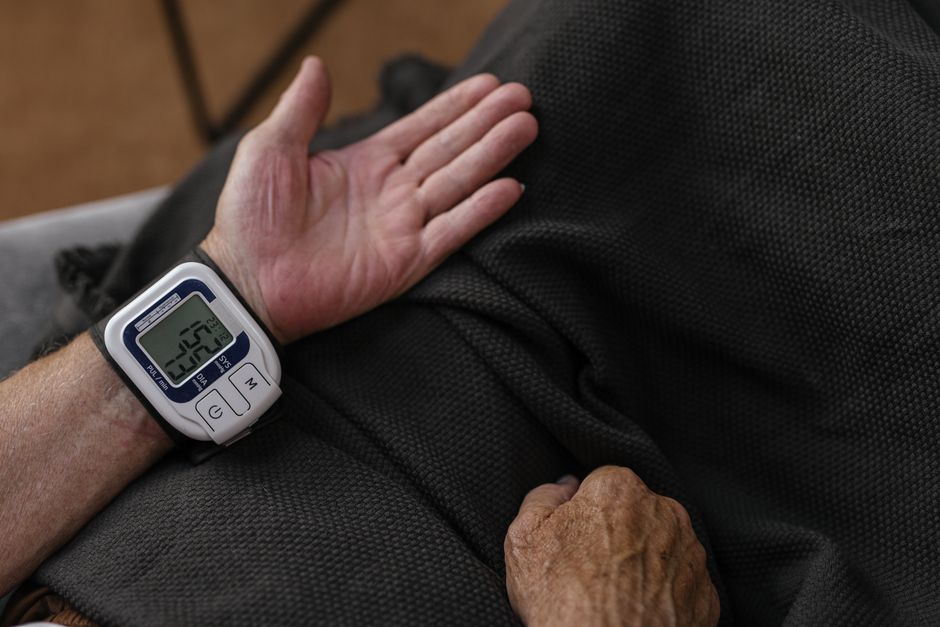
Low blood pressure, or hypotension, is often seen as the “good” kind of blood pressure problem. That is not always true. If your blood pressure drops too low, your body cannot get enough oxygen to your brain and organs. Managing it at home starts with understanding what is actually low for you. For many people, a reading under 90/60 mmHg causes symptoms. The key facts are simple: increase your fluid and salt intake thoughtfully, change how you move to avoid sudden drops, and track your symptoms to know when home care is enough and when you need a doctor.
What Causes Low Blood Pressure in the First Place?
Many things can cause low blood pressure. Some are harmless. Some are signs of a bigger problem. The most common cause is dehydration. When you do not have enough water in your body, your blood volume drops. That lowers your blood pressure.
Certain medications are another major cause. Blood pressure drugs, diuretics, and some antidepressants can push numbers too low. Heart problems like very slow heart rate or valve issues also play a role. So do endocrine problems like thyroid disease or low blood sugar.
Pregnancy often causes low blood pressure, especially in the first 24 weeks. This is usually normal. But it is worth tracking if you feel dizzy or faint. Some people simply run low naturally. If you have no symptoms, doctors rarely treat it.
How To Manage Low Blood Pressure At Home With Diet and Fluids
This is the most effective area to focus on. Start with water. Dehydration is the easiest cause to fix. Drink more water throughout the day, not all at once. Aim for 8 to 10 glasses if your doctor has not restricted fluids for another reason.
Salt is the next piece. Most health advice tells you to cut salt. That advice is for people with high blood pressure. For low blood pressure, increasing salt can help raise your numbers. Add a little more salt to your food. Some people find salty snacks like pretzels or broth helpful when they feel dizzy.
Do not overdo it. Too much salt can cause other problems over time, especially if you have kidney disease or heart failure. Talk to your doctor about how much extra salt is safe for you. A general starting point is adding one to two grams of sodium per day, but individual needs vary.
Caffeine is a short-term option. A cup of coffee or tea can temporarily raise blood pressure. This effect is modest and wears off quickly. It is not a long-term solution. But if you feel a drop coming on, a caffeinated drink can help you feel steady for a while.
How to Change Your Movement Habits to Prevent Drops
Sudden drops in blood pressure often happen when you stand up too fast. This is called orthostatic hypotension. It is common and can be managed with simple changes in how you move.
Stand up slowly. Go from lying to sitting first. Wait a minute. Then stand. Hold onto something steady. This gives your body time to adjust blood flow. Rushing makes the dizziness worse.
If you feel faint while standing, cross your legs and squeeze. This pushes blood back toward your heart. You can also tense your thigh and buttock muscles. These small tricks can prevent a full faint.
Compression stockings help some people. These are tight socks or stockings that push blood upward from your legs. They are not comfortable for everyone, especially in warm weather. But they work by reducing how much blood pools in your lower body. Wear them during the day if you have frequent symptoms.

What Does the Evidence Say About Home Management?
Research supports the basic strategies. A 2021 review in the American Journal of Medicine confirmed that increasing fluid and salt intake is the first-line home treatment for chronic low blood pressure. The review also noted that these changes work best for people who are dehydrated or have low blood volume.
Studies have found that compression stockings reduce symptoms of orthostatic hypotension in about 60 percent of people who try them. They work best when combined with increased fluid intake. The stockings need to be medical grade, not just regular tight socks. They should provide 20 to 30 mmHg of pressure.
Current research suggests that small, frequent meals help prevent postprandial hypotension. That is the drop in blood pressure that happens after eating. Large meals pull blood into your digestive system. Smaller meals reduce this effect. Eating lower-carb meals also helps because carbohydrates cause more blood flow to the gut than protein or fat.
What to Avoid When Managing Low Blood Pressure
Several common habits make low blood pressure worse. Avoid standing still for long periods. If you have to stand, shift your weight or walk in place. Still standing lets blood pool in your legs.
Hot showers and baths can drop your blood pressure. Heat expands your blood vessels. That lowers pressure further. Take warm rather than hot showers. Keep them short. If you feel dizzy after a bath, sit down until it passes.
Alcohol is a problem for many people with low blood pressure. Alcohol dehydrates you and widens blood vessels. Both effects lower blood pressure. If you drink, do so in moderation and with plenty of water. Some people find they need to avoid alcohol entirely to stay symptom-free.
Avoid skipping meals. Low blood sugar can cause or worsen low blood pressure. Eat regular meals and snacks. Include protein and complex carbs to keep your blood sugar stable throughout the day.
Comparison of Common Home Management Strategies
| Strategy | How It Works | How Fast It Works | Best For |
|---|---|---|---|
| Increase water intake | Raises blood volume | Within hours | Dehydration-related drops |
| Add more salt | Helps retain fluid | 1-2 days | Chronic low pressure |
| Compression stockings | Prevents blood pooling | Immediate when worn | Orthostatic hypotension |
| Caffeine | Temporarily narrows vessels | Within 30 minutes | Short-term symptom relief |
| Small frequent meals | Reduces post-meal drop | Immediate | Postprandial hypotension |
When Home Management Is Not Enough
Home strategies work for many people. But they have limits. If you faint, fall, or injure yourself because of low blood pressure, you need medical evaluation. This is not something to manage alone.
Other warning signs include chest pain, shortness of breath, or severe headache with low blood pressure. These can signal internal bleeding, heart attack, or infection. Call 911 or go to the emergency room.
If you have black, tarry stools or vomit what looks like coffee grounds, that suggests bleeding in your digestive tract. Low blood pressure from bleeding is a medical emergency. Do not try to fix it at home.
Track your symptoms for a few weeks before deciding home management is working. Write down your blood pressure readings, what you ate, and how you felt. Share this log with your doctor. They can tell you if your plan is safe or if you need prescription medication like fludrocortisone or midodrine to raise your pressure.
Frequently Asked Questions
Can drinking more water really fix low blood pressure?
Yes, if dehydration is the cause. Water increases blood volume which directly raises blood pressure. It works within a few hours for most people.
Is it safe to eat more salt if I have low blood pressure?
For most people with low blood pressure it is safe and helpful. Check with your doctor first if you have kidney disease, heart failure, or take medication for high blood pressure.
Should I stop my blood pressure medication if my numbers are low?
Never stop or change medication without talking to your doctor. They may adjust your dose or switch you to a different drug. Stopping suddenly can cause dangerous spikes.
How low is too low for blood pressure at home?
Below 90/60 mmHg with symptoms like dizziness or fainting needs attention. If you have no symptoms, numbers can be lower without immediate concern. But check with your doctor.
