
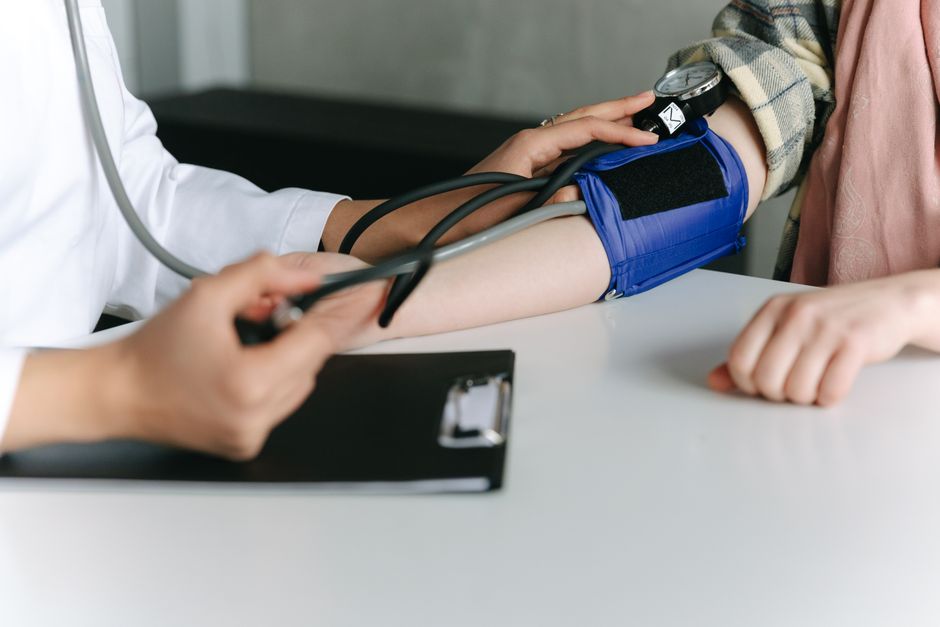
Low blood pressure, also called hypotension, is when the force of blood pushing against your artery walls is lower than normal. Most doctors define it as a reading lower than 90/60 mmHg. For many people, low blood pressure causes no problems at all. But when it drops enough to reduce blood flow to your brain and other organs, it can cause symptoms like dizziness, fainting, and fatigue. The key is understanding whether your low reading is harmless or a sign that something else needs attention.
What Is Low Blood Pressure? Symptoms And Causes
Blood pressure is measured in two numbers. The top number, systolic, is the pressure when your heart beats. The bottom number, diastolic, is the pressure when your heart rests between beats. A normal resting blood pressure for most adults is around 120/80 mmHg. Low blood pressure is generally considered a reading below 90/60 mmHg.
Low blood pressure is not a disease by itself. It is a finding, like a temperature reading. For some people, especially young, fit adults, a reading of 85/55 mmHg is completely normal and causes no symptoms. For others, the same reading can cause lightheadedness, blurred vision, or fainting. The difference matters more than the number alone.
Hypotension becomes a medical concern when it produces symptoms. The most common symptoms include dizziness or lightheadedness, especially when standing up quickly, fainting, blurred vision, nausea, fatigue, and trouble concentrating. In more serious cases, it can cause cold, clammy skin, rapid shallow breathing, and confusion. These symptoms happen because reduced blood pressure means less oxygen-rich blood reaches the brain and other vital organs.
What Causes Blood Pressure To Drop?
Blood pressure naturally fluctuates throughout the day. It drops when you sleep, rises when you exercise, and responds to your position, stress level, and what you eat. A temporary drop after standing up is common and usually harmless. Persistent low blood pressure, however, often has an identifiable cause.
Dehydration is one of the most common causes. When your body loses more water than it takes in, your blood volume decreases. Less blood volume means less pressure against your artery walls. This can happen after vomiting, diarrhea, heavy sweating, or simply not drinking enough fluids during hot weather or intense exercise.
Certain medications are also frequent culprits. Blood pressure medications, diuretics, and some antidepressants can lower pressure too much. Heart medications like beta-blockers and calcium channel blockers have the same effect. If you started a new medication and noticed symptoms, tell your doctor. Dosage adjustments often solve the problem.
Underlying medical conditions can cause chronic hypotension. These include heart conditions like bradycardia (slow heart rate), heart valve problems, and heart failure. Endocrine disorders such as thyroid disease, adrenal insufficiency, and low blood sugar can also produce low readings. Neurological conditions that damage the autonomic nervous system, such as Parkinson’s disease or diabetic neuropathy, can interfere with the body’s ability to regulate blood pressure.
What Is Orthostatic Hypotension?
Orthostatic hypotension is a specific type of low blood pressure that happens when you stand up. Normally, gravity pulls blood into your legs when you rise. Your body responds by constricting blood vessels and slightly increasing heart rate to push blood back to your brain. In orthostatic hypotension, this reflex is delayed or fails.
The result is a sudden drop in blood pressure within a few minutes of standing. Symptoms include dizziness, lightheadedness, blurred vision, weakness, and sometimes fainting. It is more common in older adults, but it can affect younger people too, especially those who are dehydrated or taking certain medications.
Some research suggests orthostatic hypotension affects up to 20 percent of older adults. It is diagnosed when systolic pressure drops by at least 20 mmHg, or diastolic by at least 10 mmHg, within three minutes of standing. The condition can be a one-time event caused by dehydration, or it can be chronic and linked to an underlying condition like diabetes or a neurological disorder.


What Is Postprandial Hypotension?
Postprandial hypotension is a drop in blood pressure that occurs after eating. It happens most often in older adults and in people with high blood pressure or conditions that affect the autonomic nervous system. Blood flow increases to the digestive tract after a meal, which can pull blood away from other parts of the body and cause pressure to drop.
Symptoms typically appear within 30 to 60 minutes after eating and can include dizziness, lightheadedness, weakness, and fainting. Large meals, especially those high in carbohydrates, tend to trigger it more than small meals. Some research indicates this condition is underrecognized, meaning many people experience it without knowing what it is.
Eating smaller, more frequent meals and avoiding large carbohydrate-heavy meals may help reduce symptoms. Standing up slowly after eating and staying hydrated can also make a difference. If symptoms are frequent or severe, a doctor can help identify whether medication adjustments or other treatments are appropriate.
When Is Low Blood Pressure Dangerous?
Most of the time, low blood pressure is not dangerous. But there are situations where it becomes a medical emergency. The most serious form is shock, a condition where blood pressure drops so low that organs do not receive enough oxygen to function. Shock is life-threatening and requires immediate medical care.
Signs of shock include confusion or altered mental status, cold and clammy skin, rapid shallow breathing, weak rapid pulse, and very low urine output. If you or someone else shows these signs, call emergency services immediately. Do not wait to see if symptoms improve.
Low blood pressure is also dangerous when it causes falls. Fainting, especially in older adults, can lead to fractures, head injuries, and other serious consequences. Frequent fainting episodes should always be evaluated by a doctor, even if you recover quickly each time.
Severe bleeding, severe infection, and severe allergic reactions can all cause sudden dangerous drops in blood pressure. These are medical emergencies. The distinction between harmless low blood pressure and dangerous low blood pressure comes down to symptoms and context. A reading of 85/60 with no symptoms is generally not concerning. The same reading with confusion, chest pain, or shortness of breath requires urgent attention.
How Is Low Blood Pressure Treated?
Treatment depends entirely on the cause. If you have no symptoms, most doctors recommend no treatment at all. If symptoms are present, the first step is identifying why your pressure is low.
For dehydration-related hypotension, increasing fluid intake is the primary approach. Water is usually sufficient. Electrolyte solutions may help after significant fluid loss from vomiting, diarrhea, or heavy sweating. The general guidance is to drink enough that your urine is pale yellow, but individual needs vary.
For medication-related hypotension, your doctor may adjust the dose, change the timing, or switch to a different drug. Never stop or change a prescription medication on your own. Some blood pressure medications need to be tapered gradually, and stopping abruptly can cause dangerous spikes in pressure.
For chronic hypotension without a clear cause, some clinicians recommend increasing salt intake. This approach works by increasing blood volume. However, excess salt is linked to high blood pressure, heart disease, and kidney problems, so it should only be done under medical supervision. Do not increase your salt intake on your own without talking to a doctor first.
Compression stockings can help in some cases. These tight-fitting stockings reduce blood pooling in the legs and can relieve symptoms of orthostatic hypotension. They are not a cure, but they can be part of a management plan. Lifestyle changes like standing up slowly, avoiding prolonged standing, and eating smaller meals can also reduce symptoms.
Can Low Blood Pressure Be Prevented?
Prevention depends on the cause. Staying well-hydrated is the most effective preventive measure for the most common type of low blood pressure. Drinking enough water throughout the day keeps blood volume stable. Avoiding alcohol, which causes dehydration, also helps.
For orthostatic hypotension, prevention focuses on movement habits. Change positions slowly. When getting out of bed, sit on the edge for a minute before standing. Cross your legs and squeeze them together when standing to push blood upward. These simple maneuvers can reduce symptoms significantly.
For postprandial hypotension, eating smaller meals and avoiding large carbohydrate loads can help. If you take blood pressure medication, ask your doctor whether timing your doses around meals makes sense for your situation. Some research suggests taking medication at bedtime rather than in the morning may reduce nighttime blood pressure dips, but this is not right for everyone.
Regular physical activity supports healthy blood pressure regulation. Exercise strengthens the heart and improves circulation, which can help your body respond more effectively to position changes. If you have a condition that affects your autonomic nervous system, work with your doctor to develop an exercise plan that is safe for you.
Frequently Asked Questions
What is considered dangerously low blood pressure?
Blood pressure below 90/60 mmHg is considered low, but danger depends on symptoms. If you experience confusion, chest pain, shortness of breath, or fainting, seek emergency care immediately.
Can low blood pressure cause a heart attack?
Low blood pressure itself does not cause heart attacks, but a sudden severe drop can indicate a heart problem like a heart attack or arrhythmia. If low pressure appears suddenly with chest pain or shortness of breath, call emergency services.
Is low blood pressure a sign of pregnancy?
Blood pressure often drops during the first 24 weeks of pregnancy because the circulatory system expands. This is normal and usually resolves on its own, but persistent symptoms should be discussed with a prenatal care provider.
What should I do if I feel dizzy from low blood pressure?
Sit or lie down immediately to prevent a fall. Drink water if dehydration is likely, and rise slowly when you feel ready. If dizziness is frequent, severe, or accompanied by other symptoms, see a doctor.
