
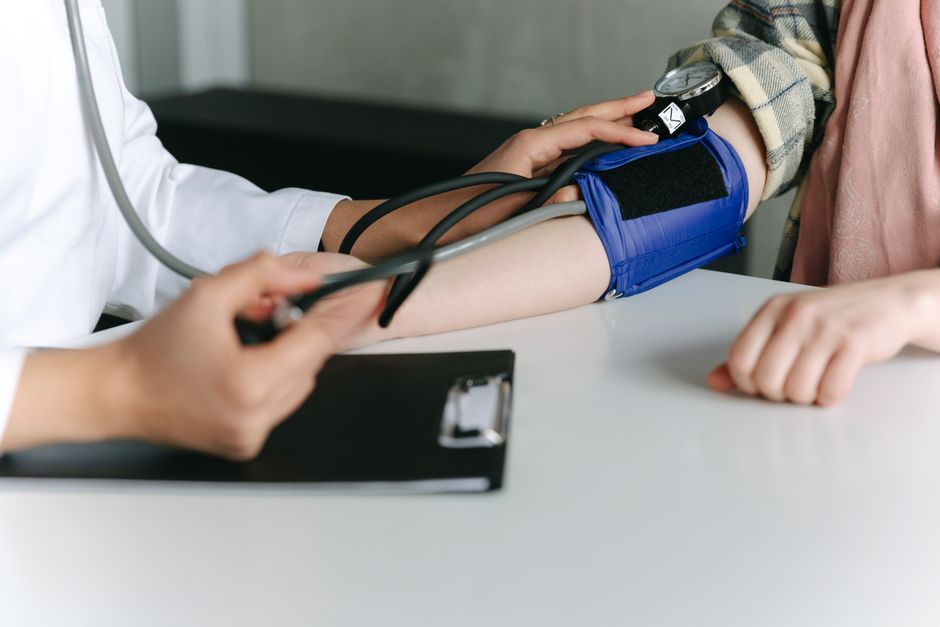
Low blood pressure, also called hypotension, is when your blood pressure reading falls below 90/60 mmHg. For many people, it causes no symptoms and requires no treatment. But when it drops enough to cause dizziness, fainting, or fatigue, it usually points to an underlying issue with how your body regulates blood flow. The causes range from simple dehydration and medication side effects to more serious conditions like heart problems, endocrine disorders, or nervous system damage.
What Is The Cause Of Low Blood Pressure?
Blood pressure is the force of blood pushing against your artery walls. Your body keeps this pressure in a normal range using a complex system involving your heart, blood vessels, kidneys, and hormones. When this system fails at any point, blood pressure can fall.
Low blood pressure happens when one of three things occurs: your heart pumps less blood than normal, your blood vessels widen too much, or your blood volume drops. Each cause fits into one of these categories. Some are temporary and harmless. Others signal a serious medical problem.
What Are the Most Common Causes?
Dehydration is one of the most frequent causes. When you lose more water than you take in, your blood volume drops. Less blood in your veins means less pressure against artery walls. This is especially common in hot weather, after intense exercise, or during illness with vomiting or diarrhea.
Medications are another leading cause. Blood pressure drugs like diuretics, beta-blockers, and ACE inhibitors can lower pressure too much. So can some antidepressants, erectile dysfunction drugs, and medications for Parkinson’s disease. If you started a new medication and noticed dizziness, this is often the reason.
Pregnancy causes blood pressure to drop in many women, especially in the first 24 weeks. The circulatory system expands during pregnancy, which lowers pressure. This is usually harmless and returns to normal after delivery.
Can Heart Conditions Cause Low Blood Pressure?
Yes. Your heart is the pump that maintains pressure. If it cannot pump effectively, pressure drops. Conditions that do this include:
- Bradycardia — a heart rate below 60 beats per minute that is too slow to maintain adequate output
- Heart valve problems — faulty valves that do not open or close properly reduce blood flow
- Heart failure — a weakened heart muscle that cannot pump enough blood
- Heart attack — damage to heart muscle reduces its pumping ability
A heart attack can cause a sudden, dangerous drop in blood pressure. This is a medical emergency. If low blood pressure comes with chest pain, shortness of breath, or pain radiating to the arm or jaw, call emergency services immediately.



What Role Do Hormones and Endocrine Disorders Play?
Your endocrine system produces hormones that regulate blood pressure. When these hormones are out of balance, pressure can fall.
Adrenal insufficiency, also called Addison’s disease, occurs when your adrenal glands do not produce enough cortisol and aldosterone. These hormones help retain salt and water. Without them, blood volume drops and pressure falls. People with this condition often have low blood pressure along with fatigue, weight loss, and darkening of the skin.
Hypothyroidism slows your metabolism, which can slow your heart rate and lower blood pressure. Low blood sugar from diabetes or other causes can also trigger a temporary drop in pressure.
A sudden, severe drop in blood pressure can signal a life-threatening condition called adrenal crisis. This requires immediate medical attention.
What Is Orthostatic Hypotension?
Orthostatic hypotension is a specific type of low blood pressure that happens when you stand up. Normally, your body quickly adjusts to gravity by narrowing blood vessels in your legs and increasing heart rate. This keeps blood flowing to your brain.
In orthostatic hypotension, this reflex fails. Blood pools in your legs, and your brain does not get enough oxygen for a few seconds. This causes dizziness, lightheadedness, or fainting upon standing.
It is diagnosed when blood pressure drops at least 20 mmHg systolic or 10 mmHg diastolic within three minutes of standing. This condition becomes more common with age. It is also linked to dehydration, prolonged bed rest, and certain neurological conditions like Parkinson’s disease.
How Does the Nervous System Affect Blood Pressure?
Your autonomic nervous system controls the automatic functions your body performs without conscious thought, including blood pressure regulation. When this system is damaged, blood pressure control becomes erratic.
Multiple system atrophy and pure autonomic failure are rare neurological conditions that damage the nerves controlling blood pressure. Diabetes can also damage these nerves over time, a condition called diabetic autonomic neuropathy.
This type of low blood pressure is often harder to treat because the underlying nerve damage cannot be reversed. Treatment focuses on managing symptoms rather than curing the cause.
What Is Postprandial Hypotension?
Postprandial hypotension is a drop in blood pressure that occurs after eating. It happens most often in older adults and in people with Parkinson’s disease or diabetes.
After a meal, blood rushes to your digestive system to help process food. Normally, your body compensates by narrowing other blood vessels and increasing heart rate. When this does not happen, blood pressure falls.
Symptoms include dizziness, lightheadedness, and fainting within one to two hours after eating. Large meals high in carbohydrates are more likely to trigger this response than smaller meals.
When Is Low Blood Pressure Dangerous?
Low blood pressure is dangerous when it causes symptoms or when it happens suddenly. A sudden drop can deprive your organs of oxygen. This is called shock and is a medical emergency.
Signs of shock include:
- Confusion or altered mental state
- Cold, clammy, pale skin
- Rapid, shallow breathing
- Weak, rapid pulse
- Loss of consciousness
Chronic low blood pressure that causes frequent fainting is also concerning because fainting can lead to injury from falls. If you faint regularly or feel dizzy when standing, see a doctor. They can determine whether your low blood pressure has a treatable cause.
How Is Low Blood Pressure Treated?
Treatment depends entirely on the cause. If a medication is responsible, your doctor may adjust the dose or switch you to another drug. If dehydration is the cause, increasing fluid and salt intake may resolve it.
For chronic orthostatic hypotension, doctors often recommend lifestyle changes first. These include drinking more water, rising slowly from sitting or lying positions, wearing compression stockings, and eating smaller meals. In some cases, medications like fludrocortisone or midodrine are prescribed to raise blood pressure, but these require careful monitoring.
No clinical guidelines exist for treating low blood pressure in people who have no symptoms. In this situation, treatment is generally not recommended because the risks of intervention may outweigh any benefit.
Can Diet Help Manage Low Blood Pressure?
Some dietary changes can help, but they depend on the cause. Increasing fluid intake is the most straightforward approach. Water increases blood volume, which raises pressure.
Salt raises blood pressure, but this does not mean you should add salt freely. Extra salt is only recommended when a doctor confirms it is safe for you. For people with heart disease or kidney problems, excess salt can cause serious harm.
Caffeine can temporarily raise blood pressure by constricting blood vessels. Some research suggests it may help with postprandial hypotension, but the effect is short-lived and not consistent across all people.
Frequently Asked Questions
What is a dangerously low blood pressure reading?
A reading below 90/60 mmHg is considered low, but it is dangerous when it causes symptoms like fainting, confusion, or chest pain.
Can low blood pressure cause a heart attack?
Low blood pressure does not cause heart attacks, but a heart attack can cause a sudden drop in blood pressure.
Is low blood pressure a sign of cancer?
Low blood pressure is not a common sign of cancer, though some cancer treatments and complications can cause it.
How much water should I drink for low blood pressure?
General guidance suggests drinking enough water to keep urine light yellow, but there is no specific clinical guideline for low blood pressure. If dehydration is the cause, increasing fluids helps, but check with your doctor about how much is right for you.
