
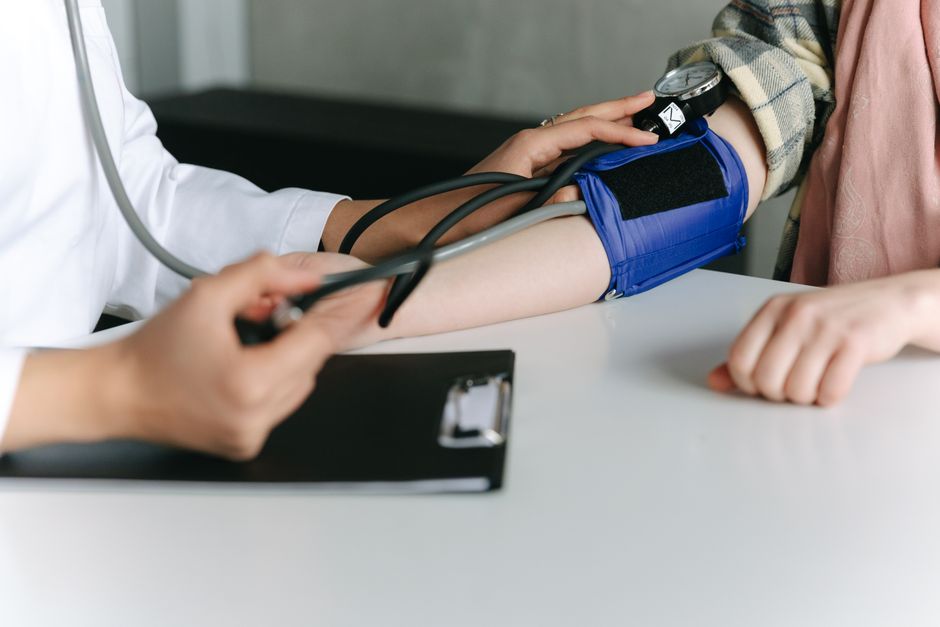
A blood pressure reading of 107/69 mmHg falls squarely within the normal range for most adults. It is neither too high nor dangerously low. In fact, the number 107 represents your systolic pressure (the force when your heart beats) and 69 represents your diastolic pressure (the force when your heart rests between beats). Both numbers are below the standard threshold of 120/80 mmHg that defines elevated blood pressure, and they sit comfortably above the clinical definition of hypotension, which is generally a reading below 90/60 mmHg.
What Do the Numbers 107 and 69 Actually Mean?
Blood pressure is always given as two numbers. The top number, systolic, measures the pressure in your arteries the moment your heart contracts and pushes blood out. The bottom number, diastolic, measures the pressure when your heart relaxes and fills with blood between beats.
In a reading of 107/69, the systolic pressure of 107 mmHg is considered optimal. The diastolic pressure of 69 mmHg is also optimal. These numbers indicate that your heart is pumping blood efficiently and your arteries are not under excessive strain.
For context, the medical community generally classifies normal blood pressure as anything below 120/80 mmHg. A reading of 107/69 falls well within this category, often described as “normal” or “optimal” depending on the specific guideline.
Is 107 69 Good Blood Pressure Or Too Low? The Clinical Answer
The short answer is that 107/69 is good blood pressure. It is not too low for a healthy adult. The clinical definition of low blood pressure, or hypotension, is a reading lower than 90/60 mmHg. Your reading is significantly above that threshold.
However, “normal” is not a single number. It is a range. Your ideal blood pressure depends on your age, overall health, and any underlying medical conditions. For a younger, physically fit person, 107/69 is a textbook example of excellent cardiovascular health. For an older adult, this reading is still perfectly acceptable, provided they are not experiencing symptoms.
The key distinction is whether you feel well. A reading of 107/69 is only a problem if it causes symptoms like dizziness, fainting, or fatigue. Without symptoms, this number is a sign of a healthy, efficient heart.
What Are the Symptoms of Low Blood Pressure?
Low blood pressure only becomes a concern when it causes symptoms. Your body needs a certain amount of pressure to push blood to your brain and other vital organs. When the pressure drops too low, blood flow may be insufficient, leading to noticeable effects.
Common symptoms of symptomatic hypotension include:
- Dizziness or lightheadedness, especially when standing up quickly
- Fainting or near-fainting episodes
- Blurred vision
- Nausea
- Fatigue or weakness
- Difficulty concentrating
If you have a reading of 107/69 and experience none of these symptoms, there is no cause for concern. If you do experience these symptoms frequently, you should discuss them with your doctor, even if your blood pressure looks good on paper.



When Could 107/69 Be a Concern?
There are specific situations where a reading of 107/69 might warrant closer attention. For people taking medication for high blood pressure, this reading could indicate that the medication is working well, or it could suggest the dose is slightly too high.
Pregnant women are another group where blood pressure changes are monitored closely. A reading of 107/69 is generally fine during pregnancy, but any sudden drop or a reading that falls below 90/60 should be evaluated by a healthcare provider.
People with certain medical conditions, such as autonomic nervous system disorders or severe dehydration, may experience symptoms at pressures that would be normal for others. The number alone is not the whole story. Your symptoms and medical history matter just as much as the reading itself.
How Does 107/69 Compare to Other Blood Pressure Categories?
Understanding where 107/69 sits on the blood pressure spectrum helps clarify why it is considered optimal. The standard categories used by clinicians provide a clear framework.
| Category | Systolic (top number) | Diastolic (bottom number) |
|---|---|---|
| Normal | Less than 120 | Less than 80 |
| Elevated | 120–129 | Less than 80 |
| High Blood Pressure (Stage 1) | 130–139 | 80–89 |
| High Blood Pressure (Stage 2) | 140 or higher | 90 or higher |
| Low Blood Pressure (Hypotension) | Less than 90 | Less than 60 |
As the table shows, 107/69 sits comfortably in the normal category. It is not close to the elevated range, and it is not near the hypotension threshold. This is the zone where cardiovascular risk is lowest for most people.
What Does a Single Reading Tell You?
One reading of 107/69 is helpful, but it is not the full picture. Blood pressure naturally fluctuates throughout the day. It tends to be lower during sleep and higher during physical activity or stress. A single reading is a snapshot, not a movie.
For a more accurate assessment, clinicians often recommend taking multiple readings at different times of the day. Blood pressure can also be affected by recent caffeine intake, smoking, or even the way you sit during the measurement. Your arm should be supported at heart level, and your feet should be flat on the floor.
If you are tracking your blood pressure at home, take two or three readings a few minutes apart and record the average. This gives a much more reliable picture of your typical blood pressure than any single measurement.
Should You Try to Raise Your Blood Pressure?
If you feel fine and your reading is 107/69, you do not need to do anything to raise it. This is a healthy number. Trying to artificially raise blood pressure that is already normal could push it into an unhealthy range.
However, some people naturally run lower than others. If you consistently have readings below 90/60 and experience symptoms, your doctor may recommend increasing your fluid and salt intake. Dehydration is a common cause of low blood pressure, and staying well-hydrated is a reasonable preventive measure for everyone.
There is no evidence that a reading of 107/69 requires any intervention. If you have no symptoms, the best approach is simply to maintain your current healthy habits.
How to Maintain Healthy Blood Pressure
Keeping your blood pressure in the normal range requires consistent habits, not occasional efforts. The same lifestyle factors that prevent high blood pressure also help maintain a healthy balance.
A diet rich in fruits, vegetables, whole grains, and low-fat dairy products supports healthy blood pressure. Limiting sodium intake to less than 2,300 milligrams per day is a widely recommended target, though many guidelines suggest aiming for 1,500 milligrams for even greater benefit. Regular physical activity, such as 150 minutes of moderate exercise per week, strengthens your heart so it can pump blood with less effort.
Managing stress, limiting alcohol, and avoiding tobacco all contribute to cardiovascular health. These habits do not just prevent high blood pressure—they help keep your numbers in the optimal zone where readings like 107/69 are the norm.
When Should You See a Doctor?
You should see a doctor if your blood pressure readings are consistently above 130/80 mmHg, as this indicates high blood pressure that may require treatment. You should also seek medical advice if you experience symptoms of low blood pressure, regardless of your actual numbers.
Symptoms such as fainting, severe dizziness, or chest pain warrant prompt medical attention. These could indicate an underlying issue unrelated to your blood pressure reading. Do not dismiss symptoms simply because your blood pressure looks good.
For routine monitoring, most adults should have their blood pressure checked at least once every two years if it is in the normal range. If you have risk factors for heart disease, such as diabetes or a family history of hypertension, your doctor may recommend more frequent checks.
Frequently Asked Questions
Is 107 over 69 a healthy blood pressure reading?
Yes, 107/69 is a healthy blood pressure reading for most adults. It falls within the normal range and is not considered too low.
At what blood pressure level should I worry about it being too low?
Blood pressure below 90/60 mmHg is generally considered low. If you have readings below this level and experience dizziness or fainting, you should consult a doctor.
Can 107/69 cause dizziness or fatigue?
For most people, no. Dizziness or fatigue at this reading would be unusual unless you have an underlying condition that makes you sensitive to lower pressures.
Should I take medication if my blood pressure is 107/69?
No medication is needed for a blood pressure of 107/69. This reading indicates normal blood pressure, and treatment is only indicated for high blood pressure or symptomatic low blood pressure.
