
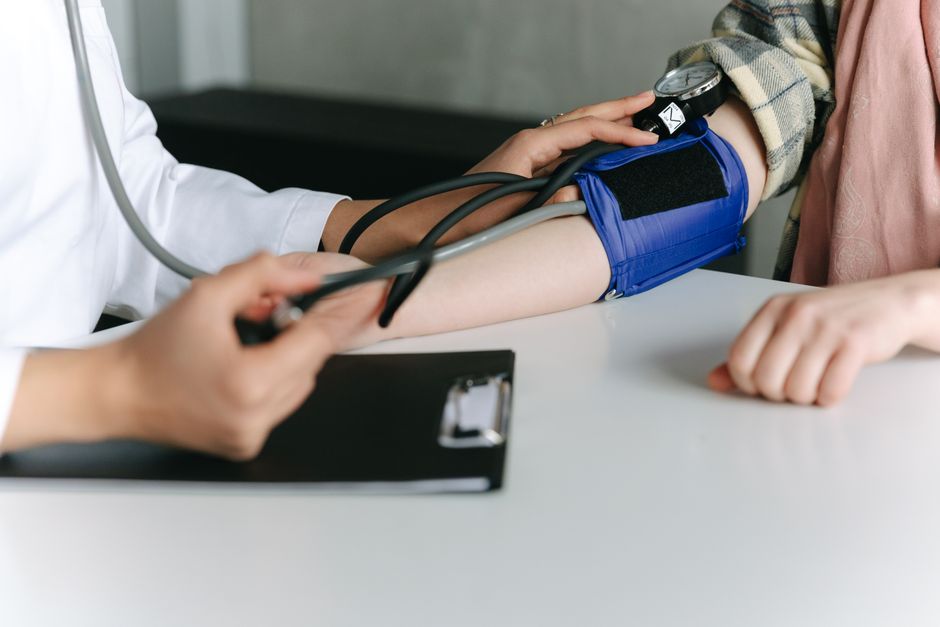
Low blood pressure can leave you feeling dizzy, tired, and even faint. If your numbers are consistently below 90/60 mmHg, you may need to raise them. The most effective natural approaches involve increasing your fluid and salt intake, wearing compression stockings, and changing how you move from sitting to standing. Small, frequent meals can also help prevent post-meal blood pressure drops. These methods work for most people, but what works depends on why your pressure is low in the first place.
What Counts as Low Blood Pressure and When Should You Worry?
Blood pressure readings have two numbers. The top number is systolic pressure, which measures the force when your heart beats. The bottom number is diastolic pressure, measuring the force when your heart rests between beats. Most doctors consider blood pressure low when it falls below 90/60 mmHg.
For some people, low blood pressure is normal and causes no problems. Athletes and younger adults often run low without symptoms. The issue is not the number itself. It is whether that number causes symptoms that interfere with your daily life.
Symptoms worth paying attention to include dizziness when standing up, blurry vision, nausea, fatigue, and trouble concentrating. If you faint or nearly faint, that is a clear signal to take action. As of 2026, current research suggests that chronic low blood pressure with symptoms affects about 5% of the general population, though rates are higher in older adults and people taking certain medications.
Severe drops in blood pressure can be dangerous. If your pressure drops suddenly and you feel confused, have cold clammy skin, or notice a rapid shallow breathing, seek medical help immediately. That could signal internal bleeding, a severe allergic reaction, or an infection spreading through your blood.
How Does Salt Intake Help Raise Blood Pressure?
Salt is sodium chloride. Sodium pulls water into your bloodstream. More water in your blood vessels means higher blood volume, and higher blood volume means higher pressure against your vessel walls. This is the most direct dietary way to raise low blood pressure.
Most health advice tells you to cut salt. That is good advice for people with high blood pressure. For you, the opposite may be true. Some studies suggest that adding an extra half teaspoon to one teaspoon of salt per day can raise systolic pressure by 5 to 10 points in people with low blood pressure.
Do not just shake salt onto every meal without thinking. Add it to foods you already eat. Sprinkle salt on your eggs at breakfast. Add salted nuts as a snack. Drink broth-based soups which naturally contain higher sodium levels. The goal is steady intake throughout the day, not a single salty meal that leaves you thirsty and bloated.
Check with your doctor before increasing salt if you have kidney disease, heart failure, or liver problems. These conditions change how your body handles sodium. What helps someone with simple low blood pressure can harm someone with these underlying issues.
What Role Does Water Intake Play in Managing Low Blood Pressure?
Water directly increases blood volume. When you are dehydrated, your blood volume drops and so does your pressure. Drinking enough water is the simplest first step for raising low blood pressure naturally.
Research shows that drinking about 16 ounces of water can raise blood pressure within minutes in people who are dehydrated. The effect peaks around 20 to 30 minutes after drinking. This happens because water stimulates your sympathetic nervous system, which temporarily tightens your blood vessels.
Aim for consistent hydration throughout the day. Sipping water steadily works better than gulping large amounts at once. Your kidneys can only process about 27 to 34 ounces of water per hour. Drinking more than that just flushes through your system without helping your blood pressure.
Electrolyte drinks can help if plain water is not enough. Look for options with sodium and potassium. Avoid drinks with high sugar content, as sugar can sometimes cause a temporary drop in blood pressure after the initial spike.
Can Compression Stockings Really Make a Difference?
Compression stockings squeeze your legs. That squeeze pushes blood upward toward your heart and brain. When blood pools in your lower legs, your brain gets less oxygen and you feel dizzy. Compression stockings prevent that pooling.
Studies have found that compression stockings can raise systolic blood pressure by 5 to 15 mmHg in people with orthostatic hypotension, which is low blood pressure triggered by standing up. The effect is not huge, but it is consistent and reliable.
Not all compression stockings work the same. Over-the-counter options at the pharmacy usually provide 15 to 20 mmHg of compression. That is enough for mild symptoms. For more significant low blood pressure, you may need prescription-strength stockings with 30 to 40 mmHg of compression.
Put them on before you get out of bed in the morning. Gravity starts pulling blood down the moment you stand. If you wait until after you are upright and dizzy, you have already missed the window. Wear them throughout the day and remove them only when you are lying down for extended periods.
How Does Eating Smaller Meals Help Prevent Blood Pressure Drops?
After a large meal, blood rushes to your digestive system. This leaves less blood circulating to your brain and upper body. The result can be a significant drop in blood pressure, especially in older adults. Doctors call this postprandial hypotension.
Evidence indicates that eating smaller, more frequent meals prevents this post-meal dip. Instead of three large meals, try five or six smaller ones spread across the day. Each meal should be about the size of your fist or smaller.
Carbohydrates tend to cause the biggest blood pressure drops after eating. This is because carbs trigger the release of insulin, which relaxes blood vessel walls. If you notice dizziness after pasta, bread, or rice, cut back on carbs at any single meal and pair them with protein and fat to slow digestion.
Drinking water with your meal can help counter the drop. The water increases blood volume right when your digestive system is pulling blood away. A glass of water with each small meal works as a simple buffer against post-meal dizziness.
How To Raise Blood Pressure Naturally Through Movement and Position Changes
How you move matters as much as what you eat. Standing up too fast is the most common trigger for low blood pressure symptoms. Your body needs time to adjust blood flow when you change position.
Use the counter maneuver technique. Before standing from a seated or lying position, clench your fists and tense your arm and leg muscles for about 30 seconds. This squeezes blood back toward your heart and raises your pressure enough to prevent dizziness. Research shows this simple trick can raise systolic pressure by 10 to 20 points temporarily.
Cross your legs while sitting. This is not just a habit. Leg crossing compresses the veins in your thighs and pushes blood upward. Some studies suggest leg crossing can raise blood pressure by 5 to 10 mmHg within minutes. Do this while sitting at a desk or watching television.
Avoid standing still for long periods. If you must stand, shift your weight from foot to foot or march in place. The muscle contractions in your legs act as a pump to keep blood moving upward. Still standing allows blood to pool in your lower body, which drops your pressure and makes you feel faint.
| Method | How It Works | Typical Blood Pressure Increase | Time to Effect |
|---|---|---|---|
| Increased salt intake | Raises blood volume | 5-10 mmHg systolic | Days to weeks |
| Hydration | Increases blood volume | 5-15 mmHg systolic | Minutes to hours |
| Compression stockings | Prevents blood pooling in legs | 5-15 mmHg systolic | Immediate when worn |
| Counter maneuvers | Squeezes blood toward heart | 10-20 mmHg systolic | Seconds to minutes |
| Small frequent meals | Prevents post-meal blood diversion | Prevents drop of 10-20 mmHg | Ongoing |
What Foods and Drinks Should You Avoid If You Have Low Blood Pressure?
Alcohol is a blood vessel relaxer. Even one drink can lower your blood pressure for several hours. If you already run low, alcohol makes it worse. Red wine and beer are common triggers for blood pressure drops in people prone to hypotension.
Hot showers and baths can also cause problems. Heat dilates your blood vessels, which drops your pressure. If you feel dizzy after a hot shower, try lukewarm water instead. Keep the bathroom door open to let steam escape and prevent the temperature from climbing too high.
Some medications lower blood pressure as a side effect. Common culprits include diuretics, some antidepressants, and medications for erectile dysfunction. Alpha blockers and beta blockers used for prostate issues or high blood pressure can also cause drops. Do not stop any medication without talking to your doctor, but do ask whether your current prescriptions could be contributing.
Large meals high in carbohydrates are worth avoiding, as mentioned earlier. The same goes for meals high in sugar. Sugar causes a rapid insulin release, and insulin relaxes blood vessel walls. If you feel sleepy and lightheaded after dessert, sugar is likely the cause.
Common misconceptions about low blood pressure include the idea that caffeine reliably fixes it. Caffeine does raise blood pressure temporarily in people who do not consume it regularly. But if you drink coffee every day, your body builds tolerance and the effect disappears. Relying on caffeine as a treatment is unreliable at best.
Frequently Asked Questions
How quickly can I raise my blood pressure naturally?
Drinking water can raise your pressure within minutes if you are dehydrated. Salt intake and compression stockings work over days to weeks for a more sustained effect.
Is it safe to add salt to my diet if I have low blood pressure?
It is safe for most people with low blood pressure, but you should check with your doctor first if you have kidney disease, heart failure, or liver problems. Your doctor can tell you the right amount for your situation.
Can exercise help raise low blood pressure?
Regular exercise strengthens your heart and improves circulation, which can help stabilize blood pressure over time. Avoid heavy lifting or intense exertion if you feel dizzy, as these can cause temporary drops.
What should I do if I feel faint from low blood pressure?
Lie down immediately and elevate your legs above heart level. This helps blood return to your brain. If you cannot lie down, sit and put your head between your knees until the feeling passes.
