
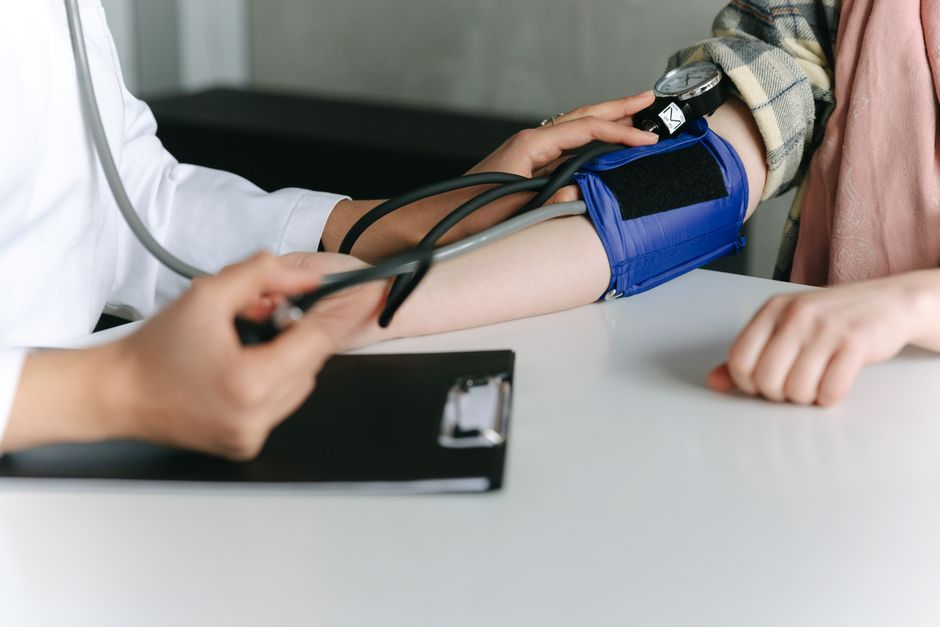
If you need to lower your blood pressure quickly before a medical test, the most reliable methods are simple changes you can make in the minutes beforehand. Deep breathing, sitting quietly with your feet flat on the floor, and emptying your bladder can each lower your reading by 5 to 10 points. Avoiding caffeine, nicotine, and vigorous activity for at least 30 minutes before the test also helps. These techniques produce a modest, temporary drop—not a dramatic one—and your true baseline blood pressure will still be reflected in the measurement.
How To Lower Blood Pressure Immediately For A Test?
The most effective immediate steps target the factors that raise blood pressure in the few minutes before a reading. Start by sitting in a chair with your back supported, feet flat on the floor, and legs uncrossed. Rest for at least five minutes in this position before the cuff is applied. Keep your arm resting on a table at heart level. Do not talk during the rest period or during the measurement — conversation can raise systolic pressure by 10 to 15 points.
Empty your bladder if you need to. A full bladder can add 10 to 15 mm Hg to a reading. Breathe slowly and deeply. Inhale through your nose for four seconds, hold for a moment, and exhale through your mouth for six seconds. Repeat this for two to three minutes. This activates the parasympathetic nervous system, which helps lower heart rate and blood pressure.
These steps are well supported by research. A 2018 review in Hypertension found that deep breathing techniques can reduce systolic pressure by approximately 5 to 10 mm Hg when performed correctly. However, these reductions are temporary. They help you get a reading closer to your true baseline by minimizing the effect of situational anxiety or poor technique.
Can Deep Breathing Really Lower Blood Pressure Right Now?
Yes, slow deep breathing can produce a measurable drop within minutes. The mechanism is straightforward: slow, rhythmic breathing increases vagal nerve activity, which slows heart rate and dilates blood vessels. This is sometimes called respiratory sinus arrhythmia — your heart rate naturally rises and falls with each breath, and deep breathing amplifies this effect.
A 2019 study in JAMA Internal Medicine compared a device-guided slow breathing protocol to a control condition and found average reductions of about 6 mm Hg systolic after a single session. Without a device, simply breathing at six breaths per minute (five seconds in, five seconds out) produces similar results. For most people, this is the fastest non-medication method available.
But the effect size matters. If your blood pressure is 150/90, deep breathing may bring it to 140/85. It will not bring a dangerously high reading down to normal. It is a technique for reducing the white coat effect — the rise caused by being in a medical setting — not for treating hypertension.
What About Medications or Supplements for Immediate Lowering?
No over-the-counter supplement is proven to lower blood pressure quickly and safely for a single test. Some products marketed for this purpose — such as certain herbal blends or high-dose magnesium — have no reliable clinical evidence for acute use. They may cause side effects or interact with prescription medications.
Prescription blood pressure medications like labetalol or clonidine are sometimes used in medical settings for urgent blood pressure elevation, but these are never appropriate to take on your own before a test. Taking a random dose could drop your blood pressure too far or cause dangerous side effects. Some clinicians recommend a short-acting medication like a beta blocker for patients with severe white coat hypertension, but this is done under a doctor’s guidance and is not a home strategy.
Be skeptical of social media claims that apple cider vinegar, cayenne pepper, or garlic juice can drop blood pressure instantly. No human trial supports this. Any effect, if present, would be small and unpredictable.



Does Drinking Water or Beet Juice Help Fast?
Drinking water can help if you are dehydrated, because dehydration raises blood pressure as the body constricts blood vessels to conserve fluid. But water must be absorbed, which takes 15 to 30 minutes. A single glass of water before a test is reasonable, but do not expect an immediate effect.
Beet juice contains nitrates that the body converts to nitric oxide, a vasodilator. This can lower blood pressure, but it requires two to three hours for the nitrate to be absorbed and converted. A 2014 study in Nutrition Journal found that drinking 500 mL of beet juice reduced systolic pressure by about 5 mm Hg after 2.5 hours. It is not useful for an immediate drop.
Caffeine is a different story. If you are a regular coffee drinker, your body is tolerant and the effect is minimal. If you are not, caffeine can raise systolic pressure by 5 to 10 mm Hg within 30 minutes and the effect lasts for several hours. Avoid caffeine for at least one hour before a blood pressure test.
Common Mistakes That Raise Your Reading Before a Test
Many people unknowingly cause their own high reading. Crossing your legs can add 2 to 8 mm Hg. Talking raises it by 5 to 10 mm Hg. A full bladder adds 10 to 15 mm Hg. Having your arm too low — below heart level — raises the reading by as much as 10 mm Hg. Using a cuff that is too small is a very common error and can overestimate systolic pressure by 10 to 40 mm Hg.
Smoking or vaping nicotine within 30 minutes of the test raises blood pressure directly through vasoconstriction. One study found a single cigarette can increase systolic pressure by 10 to 15 mm Hg for 30 minutes. Exercise within an hour also raises it temporarily — vigorous exercise can keep it elevated for up to an hour in some people.
Anxiety itself is a major factor. If you feel nervous, tell the person taking your reading. They may allow extra rest time or repeat the measurement later in the visit. Blood pressure typically decreases as the visit continues, especially if the first reading was high.
What If Your Blood Pressure Is Dangerously High?
If your blood pressure reading is above 180/120, do not try to lower it yourself with breathing or home methods. Wait quietly for five minutes and have it checked again. If it remains above 180/120 and you have no symptoms, this is called hypertensive urgency. You should contact your doctor within 24 hours. If you have symptoms such as chest pain, shortness of breath, severe headache, vision changes, or confusion, this is hypertensive emergency. Call 911 immediately.
The immediate lowering techniques described in this article are not appropriate for treating severely high blood pressure. They are only for minimizing the effect of situational factors so that your reading more closely matches your true resting blood pressure. If your blood pressure is consistently high at home and at the doctor’s office, you need long-term management, not a quick fix for a test.
How Accurate Are Home Blood Pressure Monitors for This?
Home monitoring is the best way to overcome the white coat effect. The American Heart Association recommends taking readings twice daily — once in the morning before eating or taking medications, and once in the evening. Each session should include two or three readings one minute apart. The average of those readings gives a reliable estimate of your true blood pressure.
If you have a home monitor, you can practice the immediate lowering techniques at home and see how much they affect your numbers. This helps you know what to expect before a test. But remember: home monitors vary in accuracy. Validate your device by bringing it to your doctor’s office and comparing readings side by side.
Frequently Asked Questions
Can I lower my blood pressure in 5 minutes?
Yes, but only by a modest amount. Deep breathing, sitting quietly with feet flat, and emptying your bladder can reduce systolic pressure by 5 to 15 mm Hg within a few minutes.
Does apple cider vinegar lower blood pressure quickly?
No. No clinical evidence shows apple cider vinegar can lower blood pressure immediately before a test. Any effect would take hours and be too small to matter for a single reading.
Is it safe to take medication just for a blood pressure test?
You should never take prescription blood pressure medication that is not prescribed for you, or take an extra dose of your own medication solely for a test. This can cause dangerously low blood pressure.
Why is my blood pressure always high at the doctor’s office but normal at home?
This is called white coat hypertension. Anxiety about being in a medical setting temporarily raises your blood pressure. Home monitoring and the relaxation techniques described above can help give a more accurate picture.
