
High blood pressure affects nearly half of all American adults, and it is one of the most common reasons people visit a doctor. The good news is that daily habits can move your numbers in a healthier direction. Relieving high blood pressure naturally starts with reducing sodium, increasing potassium, and getting regular physical activity. These three changes have the strongest evidence behind them, and they work through well-understood mechanisms in your body.
What Does “Natural” Blood Pressure Relief Actually Mean?
Natural blood pressure management means using lifestyle changes instead of medication as your first approach. It does not mean avoiding medication when your doctor says you need it. Some people can lower their blood pressure enough with lifestyle changes alone. Others need both medication and lifestyle changes to reach a safe range.
Blood pressure is measured in millimeters of mercury (mmHg) and recorded as two numbers. Systolic pressure (the top number) measures the force when your heart beats. Diastolic pressure (the bottom number) measures the force between beats. Normal blood pressure is below 120/80 mmHg. Stage 1 hypertension starts at 130/80 mmHg. Stage 2 hypertension starts at 140/90 mmHg.
Lifestyle changes are most effective when blood pressure is mildly elevated. They still help at higher levels, but medication is often necessary to prevent organ damage. Your doctor is the only person who can tell you whether lifestyle changes alone are safe for your situation.
How Much Does Reducing Sodium Lower Blood Pressure?
Excess sodium makes your body hold onto fluid, which increases the volume of blood in your arteries. More fluid means more pressure against your vessel walls. Reducing sodium reverses this effect within days to weeks.
The American Heart Association recommends limiting sodium to 1,500 mg per day for most adults, especially those with high blood pressure. The average American consumes around 3,400 mg daily, so most people need to cut their intake by more than half.
Most sodium does not come from your salt shaker. It comes from processed and restaurant foods. Bread, deli meats, canned soups, frozen dinners, and fast food are the biggest contributors. Reading nutrition labels and cooking more meals at home are the two most effective ways to reduce sodium. Potassium works against sodium in your body. It helps your kidneys excrete excess sodium and relaxes blood vessel walls. The recommended intake is 3,500 to 5,000 mg per day from food sources like bananas, potatoes, spinach, beans, and yogurt.
How To Relieve High Blood Pressure Naturally With Exercise
Physical activity strengthens your heart so it can pump more blood with less effort. A stronger heart puts less pressure on your arteries. This effect is not theoretical — it is measurable and consistent across studies.
Aerobic exercise lowers blood pressure by about 5 to 8 mmHg in people with hypertension. That is comparable to the effect of some single blood pressure medications. The effect lasts for several hours after each session, which is why consistent exercise matters more than occasional intense workouts.
Current guidelines recommend at least 150 minutes of moderate-intensity aerobic activity per week. Moderate intensity means you can talk but not sing during the activity. Brisk walking, cycling, swimming, and dancing all count. If 150 minutes sounds overwhelming, start with 10-minute walks after meals. Consistency beats intensity for blood pressure control.
Isometric exercises also show promise. Some research indicates that wall sits and handgrip exercises lower blood pressure effectively, though the evidence base is smaller than for aerobic exercise. Resistance training with weights two to three times per week adds benefit but should complement aerobic exercise rather than replace it.
The DASH Diet: The Most Studied Eating Pattern for Blood Pressure
The DASH diet — Dietary Approaches to Stop Hypertension — was developed specifically to lower blood pressure through food choices. It is one of the most rigorously studied diets in medical research. Clinical trials consistently show it lowers systolic blood pressure by 8 to 14 mmHg.
The DASH diet emphasizes vegetables, fruits, whole grains, lean protein, and low-fat dairy. It limits red meat, added sugars, and foods high in saturated fat. The diet is naturally rich in potassium, calcium, and magnesium — all minerals involved in blood pressure regulation.
One important detail: the DASH diet works partly because it is low in sodium, but it works even when sodium is not severely restricted. A study comparing DASH with different sodium levels found the diet lowered blood pressure at every sodium level tested. Combining DASH with reduced sodium gives the largest effect.
You do not need to follow DASH perfectly to benefit. Adding two servings of vegetables to your daily meals, swapping one processed snack for fruit, and choosing whole grains over refined ones will move you in the right direction.
What About Alcohol, Caffeine, and Stress?
Alcohol raises blood pressure in a dose-dependent way. More alcohol means higher pressure. The effect is strongest for heavy drinking, but even moderate drinking has a measurable impact. Research suggests that reducing alcohol intake lowers systolic blood pressure by about 5 mmHg. Current guidelines recommend no more than one drink per day for women and two for men, though some evidence suggests less is better for blood pressure.
Caffeine causes a temporary spike in blood pressure that lasts 30 minutes to a few hours. Regular caffeine consumers develop tolerance to this effect, so it matters less for them. If you have high blood pressure and notice a spike after coffee, consider limiting caffeine or switching to decaf. The evidence does not support telling everyone with hypertension to quit caffeine.
Stress raises blood pressure through the sympathetic nervous system. When you are stressed, your body releases hormones that narrow blood vessels and increase heart rate. This is an acute response, not a chronic one, unless stress is constant. The evidence for stress reduction techniques is mixed. Meditation and deep breathing do not consistently lower resting blood pressure in trials, but they are safe and may help some people. They should not replace the interventions with stronger evidence.
Weight Loss and Blood Pressure: What Is the Real Effect?
Excess body weight is one of the strongest risk factors for high blood pressure. Adipose tissue releases substances that promote inflammation and activate the renin-angiotensin system, which constricts blood vessels. Losing weight reverses these effects.
Every kilogram of weight lost — about 2.2 pounds — lowers systolic blood pressure by roughly 1 mmHg. Losing 10 kilograms (22 pounds) can lower systolic pressure by about 10 mmHg. That is a substantial effect, comparable to many medications.
Waist circumference matters independently of weight. Fat stored around the abdomen is more metabolically active and more strongly linked to hypertension than fat stored elsewhere. Men should aim for a waist below 40 inches and women below 35 inches, though these thresholds are general guides rather than absolute cutoffs.
Weight loss is difficult, and no one needs to hear that again. The point is that even modest, gradual weight loss produces measurable blood pressure benefits. Losing 5 percent of your body weight is a realistic first goal with documented effects.
Supplements and Herbal Remedies: What the Evidence Shows
Many supplements claim to lower blood pressure. Very few have solid evidence behind them. This is an area where marketing far outpaces science.
Potassium supplements have the strongest evidence, but only for people who are deficient. Most people can get enough potassium from food, and high-dose potassium supplements can be dangerous for people with kidney disease. Do not take potassium supplements without discussing it with your doctor.
Garlic extract has some evidence of benefit. Several small trials show modest blood pressure reductions, though the quality of the research is limited. Coenzyme Q10, fish oil, and hibiscus tea have all shown small effects in some studies, but results are inconsistent and the trials are small.
No supplement has been proven to lower blood pressure as effectively as diet and exercise changes. If a product promises dramatic blood pressure reductions, that claim is not supported by evidence. Some supplements can interact with blood pressure medications in dangerous ways. Always tell your doctor about every supplement you take.
When Lifestyle Changes Are Not Enough
Lifestyle changes have limits. They work best for people with mild hypertension who are otherwise healthy. They are less effective for people with severe hypertension, kidney disease, or a strong genetic predisposition to high blood pressure.
If your blood pressure remains above 130/80 mmHg after three to six months of consistent lifestyle changes, medication is typically the next step. This is not a failure. Hypertension is a chronic condition like diabetes or high cholesterol, and managing it often requires multiple tools.
Untreated high blood pressure damages blood vessels, the heart, the kidneys, and the brain. The risk of heart attack, stroke, and kidney failure rises steadily as blood pressure climbs. These complications are far more dangerous than the side effects of most blood pressure medications.
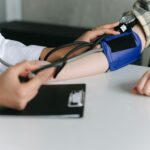
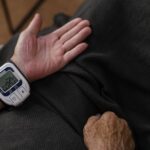
Home monitoring can help you track your progress. Measure your blood pressure at the same time each day, sitting quietly for five minutes first, with your arm supported at heart level. Bring your home readings to your doctor appointments. This data helps your doctor make better treatment decisions.
Frequently Asked Questions
How quickly can lifestyle changes lower blood pressure?
Sodium reduction and exercise can lower blood pressure within two to four weeks. Weight loss takes longer, with effects appearing over several months.
Can I stop taking blood pressure medication once my numbers improve?
Only your doctor can decide this, and many people need medication long-term even with healthy habits. Stopping suddenly can cause dangerous blood pressure spikes.
Is apple cider vinegar effective for high blood pressure?
No clinical evidence confirms that apple cider vinegar lowers blood pressure in humans. This is a viral claim without scientific support.
What is the best time of day to exercise for blood pressure?
Any time you can exercise consistently is the best time. Some research suggests morning exercise may have a slight edge, but consistency matters more than timing.
