
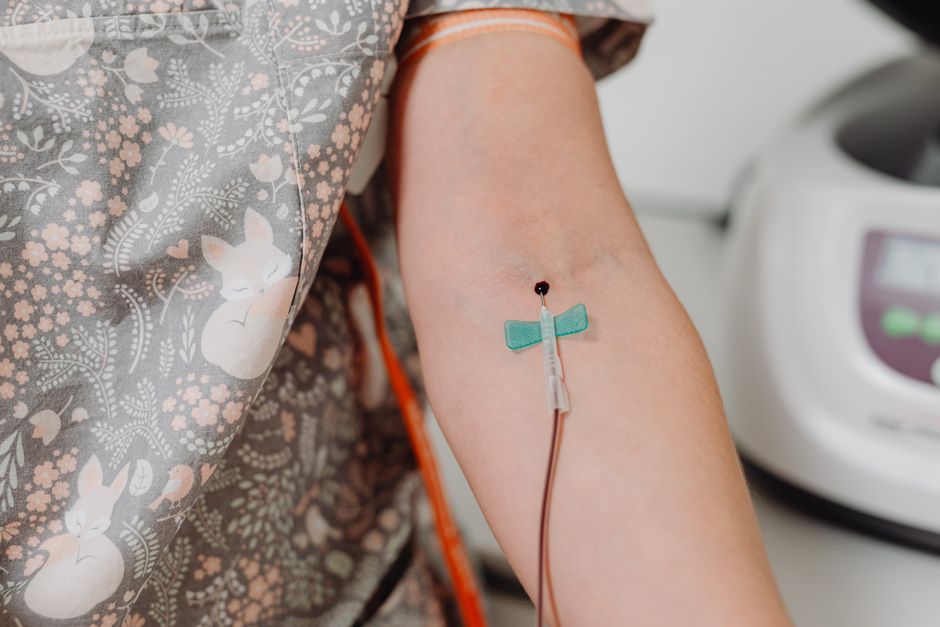
A blood clot can be dangerous, but knowing the warning signs early can save your life. The most common symptoms include sudden swelling, pain, warmth, and redness in one leg or arm, often starting in the calf or thigh. If you notice these signs, especially after surgery, long travel, or prolonged sitting, you need medical attention immediately.
What Are the First Signs of a Blood Clot in Your Leg?
The leg is where most dangerous blood clots form. This condition is called deep vein thrombosis, or DVT. The first sign is usually swelling that appears in just one leg. It might feel like your calf or thigh is suddenly tighter than usual.
Pain is another early sign. It often feels like a cramp or a charley horse that will not go away. Some people describe it as a deep ache. The area may also feel warm to the touch and look red or discolored. These symptoms typically do not happen in both legs at the same time. If only one leg shows these signs, that is a strong clue.
Research shows that about half of people with DVT have no symptoms at all. This is why doctors call blood clots a “silent” danger. If you have risk factors like being over 60, having had surgery recently, or a family history of clots, pay extra attention to any leg changes.
How To Tell If You Have a Blood Clot in Your Lung
A clot that moves from your leg to your lung is called a pulmonary embolism. This is a medical emergency. The symptoms come on suddenly and can be scary.
The most common sign is sudden shortness of breath. You might feel like you cannot catch your breath even when resting. Chest pain is also typical. It often gets worse when you breathe deeply, cough, or laugh. Some people cough up blood. Others feel lightheaded or faint.
Current research suggests that rapid heart rate and anxiety are also common. Some people describe a feeling of dread without knowing why. If you have any of these symptoms along with leg swelling, call 911 immediately. Do not wait to see if it gets better.
What Does Research on Blood Clot Symptoms Show?
Studies have found that blood clot symptoms are often mistaken for other conditions. A 2021 study in the Journal of Thrombosis and Haemostasis found that leg pain from a DVT is frequently dismissed as a muscle strain. This delay in diagnosis can be dangerous.
The same research shows that the “Homan’s sign” — pain when flexing your foot upward — is not reliable. Many doctors used to check for this, but it misses most clots and can even dislodge one. Do not try to test yourself this way.
Evidence indicates that ultrasound is the best way to confirm a DVT. Blood tests like the D-dimer can also help, but they are not perfect. A negative D-dimer makes a clot very unlikely. A positive one needs more testing. As of 2026, imaging remains the gold standard.
| Symptom | Likely With Blood Clot | Likely With Muscle Strain |
|---|---|---|
| Swelling in one limb | Yes | Rare |
| Warmth to touch | Yes | No |
| Pain that worsens with walking | Yes | Yes |
| Red or blue skin color | Yes | No |
| Sudden shortness of breath | Yes (PE) | No |



What Are the Risk Factors for Developing a Blood Clot?
Some people are more likely to get clots than others. Knowing your risk helps you stay alert. The biggest risk factor is surgery, especially hip or knee replacement. Being immobile for long periods also raises risk. This includes long flights, car trips, or bed rest from illness.
Other risk factors include cancer, pregnancy, and using birth control pills or hormone therapy. Obesity and smoking both increase your chances. Age matters too. People over 60 are at higher risk. So are those with a family history of clots.
Some people report that dehydration makes symptoms worse. While strong evidence is limited, staying hydrated during long travel is a sensible precaution. If you have multiple risk factors, talk to your doctor about whether you need blood thinners preventively.
When Should You Go to the Emergency Room?
You should go to the ER if you have sudden shortness of breath, chest pain, or coughing up blood. These are signs of a pulmonary embolism. Do not drive yourself. Call for an ambulance.
For leg symptoms, go to the ER if the swelling and pain are new and severe. If your leg is noticeably larger than the other, seek care the same day. Some hospitals have vascular labs that can do an ultrasound quickly.
Do not take aspirin and hope it goes away. Aspirin is not strong enough to treat a clot. You need prescription blood thinners. Waiting can allow the clot to grow or travel to your lungs. The sooner you get treated, the better your outcome.
Common Misconceptions About Blood Clots
A big myth is that blood clots only happen in older people. This is not true. Young, healthy adults can get clots too, especially after surgery or long travel. Another misconception is that massaging a painful leg helps. It does not. Massaging a leg with a DVT can actually break the clot loose and send it to your lungs.
Some people think that walking off the pain is a good idea. It is not. If you have a DVT, walking may make the pain worse and increase swelling. Rest and elevation are safer until you see a doctor.
This is widely claimed though strong evidence is limited: that vitamin E or garlic can prevent clots. These foods are healthy but not reliable for prevention. If you need blood thinners, you need prescription medication, not supplements.
What to Do If You Suspect a Blood Clot
If you think you have a clot, call your doctor or go to urgent care. Describe your symptoms clearly. Say “I am worried about a blood clot” so they take it seriously. Do not downplay what you feel.
If you are told to wait for an appointment, ask about getting a D-dimer blood test. This is a simple test that can rule out a clot in many cases. If the test is positive, you will need an ultrasound. Do not accept a diagnosis of “just a pulled muscle” without imaging if your symptoms fit.
While waiting for care, keep your leg elevated. Do not wrap it tightly or apply heat. Ice can help with pain but will not treat the clot itself. The most important thing is to get a proper diagnosis quickly.
Frequently Asked Questions
Can a blood clot go away on its own?
Some small clots dissolve naturally, but it is not safe to wait and see. Without treatment, a clot can grow or travel to your lungs.
How long after surgery can a blood clot form?
Clots can form within days of surgery and remain a risk for up to three months. The highest risk period is the first two weeks.
Does leg pain from a blood clot come and go?
No, DVT pain is usually constant and gets worse with walking or standing. It does not come and go like a muscle spasm.
Can you feel a blood clot with your hand?
No, you cannot feel a clot through the skin. You can feel swelling, warmth, and firmness, but not the clot itself.
