
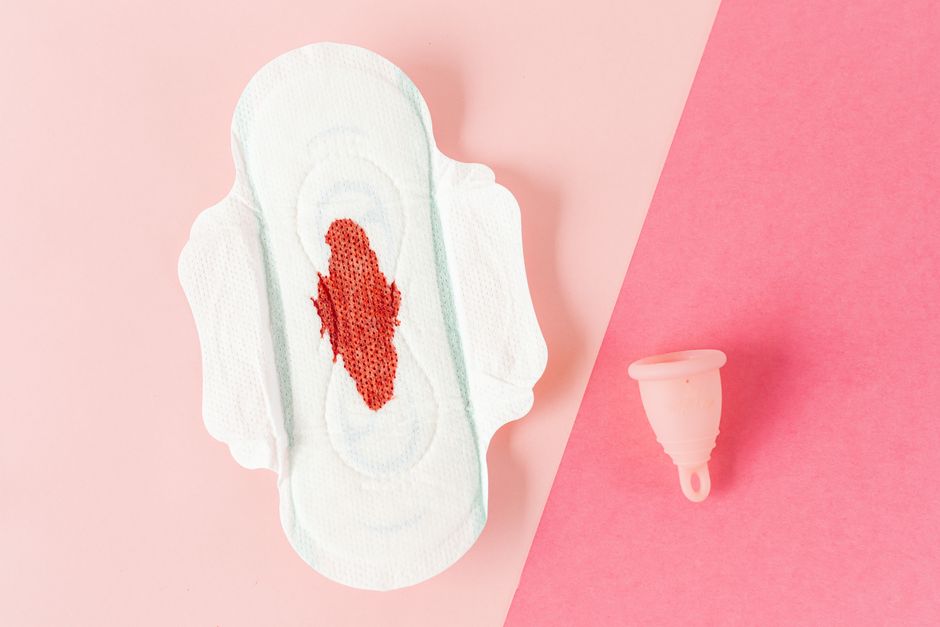
If you are soaking through a pad or tampon every hour, passing clots larger than a quarter, or your period lasts more than seven days, you are experiencing heavy menstrual bleeding. The medical term is menorrhagia, and it affects about one in five women in the United States. Understanding why this happens starts with knowing that heavy bleeding is not normal and often has a specific, treatable cause.
What Counts as Heavy Menstrual Bleeding?
Many women assume their period is normal because they have never known anything different. But there are clear signs that bleeding is too heavy. Losing more than 80 milliliters of blood per cycle is the clinical cutoff. That is about 5.5 tablespoons. Most women do not measure their blood loss, so doctors use practical signs instead.
You may have heavy bleeding if you need to change a pad or tampon every hour for several hours in a row. Passing clots that are the size of a quarter or bigger is another sign. So is needing to use two pads at once or waking up at night to change protection. If your period leaves you too tired to do your normal activities, that is also a red flag.
A 2019 study in the journal Obstetrics and Gynecology found that only about half of women with heavy bleeding had ever mentioned it to a doctor. Many thought it was just part of being a woman. It is not. Heavy bleeding can lead to iron deficiency anemia, which causes fatigue, dizziness, and shortness of breath.
Why Am I Losing So Much Blood On My Period Causes?
The most common cause of heavy menstrual bleeding is a hormonal imbalance. Estrogen and progesterone regulate the buildup and shedding of your uterine lining. When these hormones are out of balance, the lining can grow too thick. When it sheds, there is simply more tissue and blood to pass.
This imbalance often happens during perimenopause, the years leading up to menopause. As of 2026, current research suggests that about 60 percent of women in their 40s report heavy bleeding at some point. Teenagers in their first few years of menstruation also commonly experience hormonal imbalances that cause heavy flow.
Other causes include uterine fibroids, which are noncancerous growths in the uterus. Fibroids can increase the surface area of the uterine lining, leading to heavier bleeding. Polyps, which are small growths on the lining, can also cause spotting or heavy flow. Endometriosis and adenomyosis, where uterine tissue grows where it should not, are other possible causes.
Bleeding disorders like von Willebrand disease affect about 5 to 20 percent of women with heavy periods. Thyroid problems, especially an underactive thyroid, can also disrupt your cycle. Some medications, including blood thinners and certain antidepressants, may make bleeding heavier.
How Do Doctors Diagnose the Cause?
Diagnosis starts with a conversation. Your doctor will ask about your cycle length, flow pattern, and any pain. They will also ask about your family history. A physical exam and a pelvic exam are standard. From there, tests help narrow down the cause.
Blood tests check for anemia, thyroid function, and clotting disorders. A pelvic ultrasound looks for fibroids, polyps, or thickened lining. In some cases, a biopsy of the uterine lining is needed to rule out precancerous changes. This is more common in women over 40 or those with risk factors for endometrial cancer.
One study from the American College of Obstetricians and Gynecologists found that ultrasound detects fibroids with about 90 percent accuracy. But small polyps can be missed. If symptoms continue despite a normal ultrasound, a saline infusion sonogram or hysteroscopy may be needed. These procedures give a clearer view of the uterine cavity.
The diagnostic process can feel slow, but it is important. Treating the wrong cause wastes time and money. It can also delay finding a serious condition that needs attention.





What Treatments Actually Work for Heavy Bleeding?
Treatment depends on the cause. For hormonal imbalances, hormonal birth control is often the first step. Birth control pills, the hormonal IUD, and the ring all reduce bleeding. The hormonal IUD, sold as Mirena, is especially effective. Studies show it reduces menstrual blood loss by 80 to 90 percent within six months.
For fibroids, there are several options. Medications like tranexamic acid help blood clot more effectively. They do not shrink fibroids but can reduce bleeding by about 40 percent. GnRH agonists temporarily shrink fibroids by lowering estrogen levels. These are used before surgery, not as a long-term solution.
Surgical options include myomectomy, which removes fibroids while keeping the uterus. For women who do not want more children, endometrial ablation destroys the uterine lining. Hysterectomy removes the uterus entirely and is considered a last resort. A 2021 review in the Cochrane Database found that endometrial ablation and hysterectomy both have high satisfaction rates, but hysterectomy carries more risks and a longer recovery.
Nonsteroidal anti-inflammatory drugs like ibuprofen can reduce bleeding by about 25 percent when taken during your period. They also help with cramping. Iron supplements are often needed to treat or prevent anemia. Do not take iron without having your ferritin levels checked first. Too much iron can be toxic.
| Treatment | How It Works | Typical Reduction in Bleeding |
|---|---|---|
| Hormonal IUD | Releases progestin to thin uterine lining | 80-90% |
| Tranexamic acid | Helps blood clot | 40-50% |
| Combined birth control pill | Regulates hormones and thins lining | 40-50% |
| NSAIDs (ibuprofen) | Reduces prostaglandins that cause bleeding | 25-30% |
| Endometrial ablation | Destroys uterine lining | 90% or stops periods |
What Viral Myths About Heavy Periods Should You Ignore?
One common myth is that heavy bleeding means you are detoxing your body. This is false. Menstrual blood is not toxic. It is a mix of blood, uterine tissue, and mucus. There is no detox happening. Heavy bleeding simply means something is causing more tissue or blood to be shed than normal.
Another myth is that heavy periods are always caused by fibroids. Fibroids are common, but they are not the only cause. Hormonal imbalances, polyps, and bleeding disorders are just as likely. Assuming fibroids without testing can lead to unnecessary worry or wrong treatment.
Some people believe that taking vitamin C or drinking raspberry leaf tea will stop heavy bleeding. As of 2026, there is no clinical evidence that these work for menorrhagia. Vitamin C helps with iron absorption, which is useful for anemia, but it does not reduce blood loss. Raspberry leaf tea is widely claimed to help, but strong evidence is limited to small studies with mixed results.
A dangerous myth is that heavy bleeding after age 40 is normal and nothing to worry about. Perimenopause does cause irregular cycles, but it should not cause soaking through protection every hour. Heavy bleeding at any age deserves a medical workup. Endometrial cancer, though rare, is more common in women over 40 with heavy bleeding.
When Should You See a Doctor Immediately?
Some situations require urgent care. If you are soaking through a pad or tampon every hour for more than two hours, go to the emergency room. The same applies if you feel lightheaded, faint, or have chest pain. Severe pain that does not improve with over-the-counter medication is also a reason to seek help.
If your heavy bleeding has been going on for several months, schedule an appointment with your gynecologist. Bring a log of your periods if you can. Write down how many pads or tampons you use, how often you change them, and how large any clots are. This information helps your doctor make a faster diagnosis.
Heavy bleeding that starts suddenly after years of normal periods also needs attention. So does bleeding after menopause. Postmenopausal bleeding is never normal and requires immediate evaluation.
Do not wait until you are severely anemic to get help. Fatigue, pale skin, and shortness of breath are signs that your iron stores are depleted. Iron deficiency anemia from heavy periods is completely preventable with proper treatment.
Frequently Asked Questions About Why Am I Losing So Much Blood On My Period Causes
Can stress cause heavy periods?
Stress can disrupt your hormone balance and lead to irregular cycles, but it rarely causes the extreme blood loss seen in menorrhagia. If your bleeding is very heavy, stress is unlikely to be the main cause.
Is it normal to pass large clots during your period?
Clots smaller than a quarter are normal. Clots larger than a quarter suggest heavy bleeding and should be discussed with a doctor.
Can diet changes stop heavy menstrual bleeding?
A healthy diet supports overall health but cannot correct structural problems like fibroids or hormonal imbalances. Iron-rich foods help prevent anemia but do not reduce blood loss.
How long does it take for treatment to work?
Hormonal treatments like the IUD can take three to six months to show full effect. Tranexamic acid works within hours but only during your period. Surgical treatments provide immediate results.
