
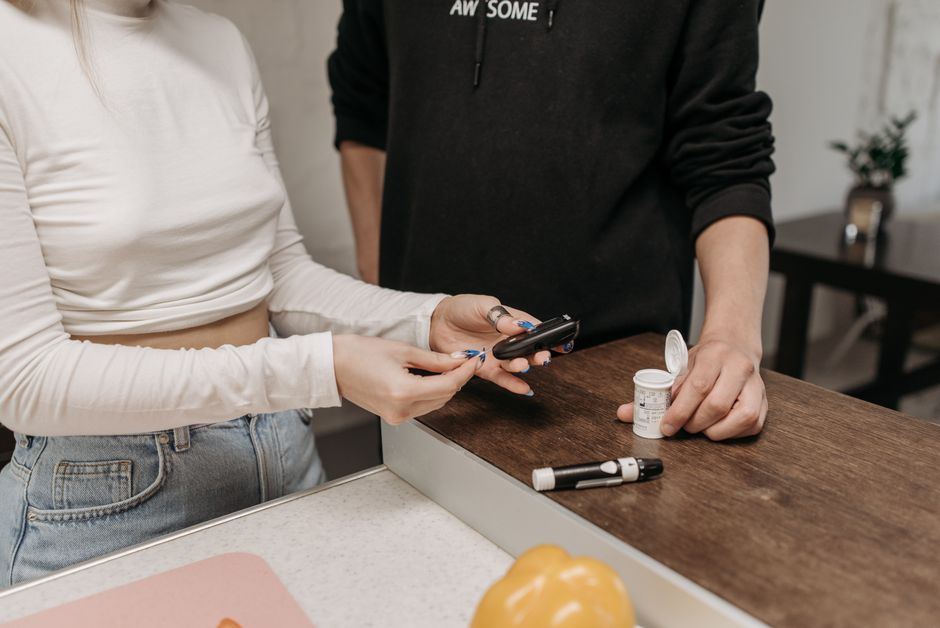
Your blood type is one of the few things about your body that never changes, yet most people never check it. You do not need a doctor’s appointment or a lab order to find out. The simplest way is a home blood typing test kit from any pharmacy for about $10 to $20. You prick your finger, mix the blood with antibodies on a card, and read the results in under a minute. That is the fastest method for most people. But there are other ways too, and some are more reliable than others. This article covers what works, what does not, and what the evidence actually says.
How Do Home Blood Typing Kits Work?
Home blood typing kits use the same science hospitals use. Your red blood cells have markers on their surface called antigens. Type A blood has A antigens. Type B has B antigens. Type AB has both. Type O has neither. The Rh factor — the plus or minus sign — is another antigen.
The kit contains a card with small wells containing antibodies. Anti-A antibodies will clump your blood if you are type A. Anti-B antibodies clump if you are type B. Anti-D antibodies clump if you are Rh positive. You add a drop of blood to each well, mix with a provided solution, and look for clumping — called agglutination.
Research published in the Journal of Clinical Pathology found that these kits correctly identify blood type about 99 percent of the time when used correctly. The main risk is user error. If you mix up the wells or do not add enough blood, you get a wrong result. Follow the instructions exactly and read the results under good light.
Can You Check Blood Type Without a Kit?
Some people claim you can figure out your blood type from your diet, personality, or ancestry. None of that is backed by evidence. The blood type diet is a popular myth with no clinical studies supporting it. Your blood type does not determine what foods you should eat.
Your ancestry can give clues but not certainty. Type O is more common in people of Native American and African descent. Type B is more common in Asian populations. But these are population averages, not individual predictions. A person with entirely Japanese ancestry can still be type A or AB.
Some people report that their doctor told them their blood type years ago and they forgot. You can call your doctor’s office and ask. Many clinics keep it on file, especially if you have had surgery, a blood transfusion, or prenatal blood work. The CDC notes that blood typing is standard during pregnancy in the United States. If you gave birth in a hospital, your blood type is likely in your medical records.
What About Donating Blood to Find Out Your Type?
Blood donation centers always type your blood before accepting your donation. If you donate blood, the American Red Cross or your local blood bank will tell you your type. This is a reliable method because they use laboratory-grade testing, not home kits.
The catch is that donation centers do not always tell you immediately. Some send a card or letter weeks later. Others have online portals where you can check after your donation is processed. If you want to know fast, this is not the method for you. But if you want a free confirmation from a professional lab, it is one of the best options.
One thing to be honest about here: not everyone can donate blood. You must meet health requirements including weight, age, and hemoglobin levels. If you cannot donate for medical reasons, this method is not available to you.



How To Check Your Blood Type at a Lab or Pharmacy
If you want a professional result without donating blood, many commercial labs and pharmacies offer blood typing as a standalone service. Quest Diagnostics and LabCorp both offer blood type tests that you can request without a doctor’s order in most states. You pay out of pocket, typically $20 to $50.
Some CVS and Walgreens locations with MinuteClinic or similar services also offer blood typing. You walk in, they draw blood from your arm, and you get results within minutes. This is more expensive than a home kit but removes the chance of user error.
The trade-off is convenience versus accuracy. A home kit is accurate enough for most people. A lab draw is the gold standard. If you have any doubt about your home kit result, a lab test is the right next step.
Why Does Blood Type Matter for Health?
Blood type matters most in emergencies. If you need a transfusion and the hospital does not know your type, they use O negative blood, which is safe for everyone. But knowing your own type can save time in a crisis.
Some research has linked blood type to certain health risks. A large study published in the New England Journal of Medicine found that people with type O blood have a lower risk of blood clots. People with type A, B, or AB have a slightly higher risk. Another study in JAMA found that type A blood is associated with a higher risk of stomach cancer. These are statistical associations, not guarantees. Your blood type does not determine your health destiny.
The American Heart Association reports that blood type is also linked to heart disease risk in some populations, but the effect is small. Lifestyle factors like smoking, diet, and exercise matter far more. Knowing your blood type is useful but not as important as knowing your blood pressure or cholesterol.
Common Myths About Blood Type Testing
One widespread myth is that you can check your blood type by looking at the color of your veins or your reaction to certain foods. There is no evidence for either claim. Vein color depends on skin tone, lighting, and how deep the vein sits, not your blood type.
Another myth is that your blood type changes over time. It does not. Your blood type is determined by your genes and is fixed from birth. The only exception is a bone marrow transplant, which can change the recipient’s blood type to the donor’s type. This is extremely rare and only happens in specific medical situations.
Some people believe that blood type determines personality — the “blood type personality theory” popular in Japan and Korea. This has been studied and rejected by psychologists. A 2020 review in Personality and Individual Differences found no correlation between blood type and personality traits. Do not use your blood type to make life decisions.
| Method | Cost | Time to Result | Accuracy |
|---|---|---|---|
| Home test kit | $10–$20 | 5 minutes | ~99% with correct use |
| Blood donation | Free | Days to weeks | Lab-grade |
| Pharmacy or clinic draw | $20–$50 | Minutes | Lab-grade |
| Medical records | Free | Same day if on file | Lab-grade |
- Home kits are accurate if you follow instructions exactly.
- Blood donation gives a free lab result but takes time.
- Lab draws are the most reliable but cost more.
- Medical records are free if you have already been tested.
Frequently Asked Questions
Can I check my blood type at home without a kit?
No reliable method exists without a kit. The only way to know for sure is to test your blood with antibodies.
Does my blood type affect my diet?
No. The blood type diet has no scientific support. Your nutritional needs are not linked to your ABO type.
How long does a home blood type test take?
Most kits give results in under five minutes. You will see clumping or no clumping in each well within that time.
Is blood type testing covered by insurance?
Not usually. Most insurance does not cover blood typing unless it is ordered by a doctor for a specific medical reason.
