
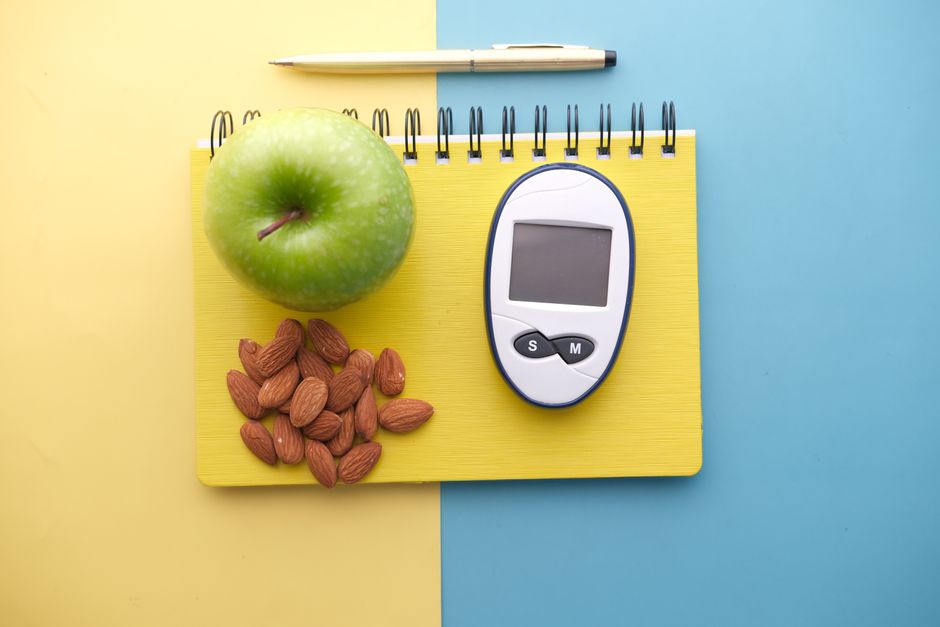
Low blood sugar, or hypoglycemia, happens when your glucose levels drop below 70 mg/dL. Your body sends clear warning signs when this occurs. The most common symptoms include sudden shakiness, sweating, confusion, and feeling like you might pass out. The quickest fix is to eat or drink 15 grams of fast-acting sugar, like glucose tablets, fruit juice, or regular soda. Then wait 15 minutes and check your levels again. If symptoms do not improve, repeat the process and seek medical help if needed.
What Does Low Blood Sugar Actually Feel Like?
Your body reacts to low blood sugar in two distinct ways. First, your adrenal glands release epinephrine, the same hormone that triggers a fight-or-flight response. This causes physical symptoms you notice right away.
Common early signs include sudden sweating even when you are not hot, shaky hands or legs, a racing heart, and intense hunger. Some people describe it as a hollow or gnawing feeling in their stomach. Others feel anxious or irritable for no clear reason.
The second set of symptoms happens when your brain does not get enough glucose. Your brain runs almost entirely on sugar. When levels drop too low, you may feel confused, have trouble speaking clearly, or feel dizzy. In severe cases, people can have seizures or lose consciousness.
Not everyone experiences the same symptoms. Some people get headaches. Others feel numbness around their mouth or tongue. The key is knowing your personal pattern. If you have had low blood sugar before, you likely recognize your own warning signs.
What Causes Blood Sugar to Drop Suddenly?
For people with diabetes, the most common cause is too much insulin. This can happen if you take your insulin dose but eat less than usual, or if you exercise more than planned without adjusting your medication.
Skipping meals is another major trigger. If you take diabetes medication and then go several hours without eating, your blood sugar can fall fast. Drinking alcohol on an empty stomach also causes drops, especially several hours after drinking. The liver stops releasing stored glucose to process the alcohol instead.
For people without diabetes, low blood sugar is less common but still possible. Reactive hypoglycemia occurs when your body produces too much insulin after a high-carb meal. This causes a sugar spike followed by a crash a few hours later.
Other causes include certain medications, severe infections, liver or kidney disease, and rare tumors of the pancreas. If you do not have diabetes and experience frequent low blood sugar episodes, you should see a doctor to find the underlying cause.
How To Tell If Your Blood Sugar Is Low Symptoms Steps: A Practical Guide
The only way to confirm low blood sugar is to test your blood glucose with a meter. But you do not always have a meter with you. Learning to recognize symptoms and respond quickly is essential.
Follow these steps if you suspect your blood sugar is low:
- Stop what you are doing and sit down if possible. Do not drive or operate machinery.
- Eat or drink exactly 15 grams of fast-acting sugar. Good options include 4 glucose tablets, 4 ounces of fruit juice, half a can of regular soda, or 1 tablespoon of honey or sugar.
- Wait 15 minutes. Do not eat more sugar during this time.
- Test your blood sugar again. If it is still below 70 mg/dL, take another 15 grams of sugar.
- If you cannot test and symptoms continue, treat again anyway. It is safer to treat a false alarm than to ignore real hypoglycemia.
Once your blood sugar is back above 70 mg/dL, eat a small snack with protein or complex carbs to keep it stable. A handful of nuts, a piece of cheese, or half a sandwich works well. This prevents another drop within the next hour.
| Severity Level | Symptoms | Action Needed |
|---|---|---|
| Mild | Shakiness, sweating, hunger | Self-treat with 15g sugar |
| Moderate | Confusion, irritability, blurred vision | Self-treat but ask for help if uncertain |
| Severe | Unconsciousness, seizure, inability to swallow | Call 911 immediately. Do not give food. Use glucagon injection if available. |




What Does Research on Hypoglycemia Treatment Show?
The American Diabetes Association recommends the 15-15 rule for treating mild to moderate hypoglycemia. This means consuming 15 grams of carbohydrate and waiting 15 minutes before rechecking. Research published in the journal Diabetes Care confirms this approach works for most people.
Studies have found that glucose tablets raise blood sugar faster than food. They are designed to be absorbed quickly through the mouth lining. Fruit juice and regular soda also work well because they contain simple sugars that do not need digestion.
One common mistake is eating chocolate, candy bars, or ice cream to treat low blood sugar. These foods contain fat, which slows down sugar absorption. You end up waiting longer for symptoms to improve. Stick to pure sugar sources for the initial treatment.
Research also shows that people who use continuous glucose monitors catch low blood sugar earlier than those who rely on finger sticks alone. These devices alert you when your glucose is trending downward, before you feel symptoms. This is especially helpful during sleep when you cannot recognize warning signs.
How to Prevent Low Blood Sugar Episodes
Prevention starts with understanding your patterns. If you have diabetes, check your blood sugar before and after exercise, after meals, and at bedtime. Keep a log for a few weeks to see when drops typically happen.
Eat meals at consistent times. Do not skip breakfast or go more than four to five hours without eating if you take insulin or sulfonylureas. Include protein and fiber at each meal to slow down sugar absorption.
Adjust your medication doses before exercise. The American College of Sports Medicine recommends reducing insulin by 25 to 50 percent for moderate activity. Talk to your doctor about your specific needs.
Carry emergency sugar with you at all times. Keep glucose tablets in your car, bag, desk, and nightstand. They do not spoil and are easy to use quickly. Tell family members and coworkers where you keep them.
Wear a medical ID bracelet if you have diabetes and take medication that can cause hypoglycemia. Emergency responders are trained to look for these. It can save critical time if you cannot speak.
When Should You Call 911 for Low Blood Sugar?
Severe hypoglycemia is a medical emergency. If someone with diabetes becomes unconscious, has a seizure, or cannot swallow, call 911 immediately. Do not try to put food or liquid in their mouth. They could choke.
Glucagon is a prescription injection that raises blood sugar quickly. Family members should learn how to use it and keep it accessible. A newer version called nasal glucagon is also available and does not require an injection.
After the emergency, the person needs to be monitored. Blood sugar can drop again within hours, especially if the cause was a long-acting insulin overdose or alcohol consumption. A hospital visit is usually needed for observation.
Even if you recover quickly on your own, tell your doctor about any severe episode. Your medication doses or meal plan may need adjustment. A single severe hypoglycemia event increases your risk of having another one in the future.
Frequently Asked Questions
Frequently Asked Questions
What is the fastest way to raise low blood sugar?
Glucose tablets work fastest because they are absorbed directly through the mouth lining. Fruit juice and regular soda are also effective options that raise levels within 10 to 15 minutes.
Can low blood sugar happen without diabetes?
Yes, though it is less common. Reactive hypoglycemia after high-carb meals, certain medications, and rare medical conditions can cause low blood sugar in people without diabetes.
Is it safe to sleep with low blood sugar?
No. Blood sugar can drop dangerously low during sleep without you waking up. Check your level before bed and eat a small snack if it is below 100 mg/dL. Use a continuous glucose monitor if you have frequent nighttime lows.
How low is dangerously low blood sugar?
Anything below 54 mg/dL is considered clinically significant hypoglycemia and requires immediate treatment. Levels below 40 mg/dL can cause seizures, loss of consciousness, and require emergency medical care.
