

Knowing your blood type is simpler than most people think. You can find out through a blood test ordered by your doctor, a simple at-home testing kit, or by donating blood at a local blood bank. The most reliable method is a laboratory test that checks for specific antigens on your red blood cells, which determines whether you are type A, B, AB, or O, and whether you are Rh-positive or Rh-negative.
How Do You Find Out Your Blood Type With a Doctor’s Test?
The most accurate way to learn your blood type is through a blood test ordered by your healthcare provider. This is typically part of a routine physical, a prenatal visit, or pre-surgery preparation. A nurse or phlebotomist draws a small sample of blood from your arm and sends it to a lab.
In the lab, technicians mix your blood sample with antibodies that react to specific antigens. If your blood clumps when mixed with anti-A antibodies, you have type A blood. If it clumps with anti-B antibodies, you have type B. If no clumping occurs, you are type O. A separate test for the Rh factor tells you if you are positive or negative. The results are usually available within one to two days.
How Do You Find Out Your Blood Type With an At-Home Kit?
At-home blood typing kits are available online and at most pharmacies. These kits typically include a small lancet to prick your finger, a test card with dried antibodies, and a dropper for blood. You add a drop of blood to each test spot and mix it with a solution. The card shows agglutination, or clumping, which indicates your type.
These kits are generally reliable for personal knowledge. A study published in the Journal of Clinical Pathology found that self-testing kits had an accuracy rate of over 99 percent when instructions were followed correctly. However, they are not a substitute for a lab test if your blood type is needed for a medical procedure. Some people also report difficulty reading the results, especially in low light or if they have poor eyesight.
How Do You Find Out Your Blood Type by Donating Blood?
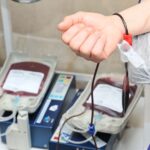
Blood donation is a free and easy way to learn your blood type. When you donate blood at a blood bank or mobile donation center, the facility tests your blood for safety and to determine your type. They screen for ABO group, Rh factor, and any unexpected antibodies. The American Red Cross and other organizations provide this testing as part of the donation process.
You typically receive your blood type information within a few days, either by mail, through an online donor portal, or on a donor card. This method is particularly useful because it also screens for infectious diseases and ensures your blood is safe for transfusion. The CDC reports that approximately 6.8 million people donate blood each year in the United States, making this a common and reliable way to learn your type.




What Do the Blood Type Letters and Symbols Mean?
Blood types are determined by the presence or absence of two antigens: A and B. Antigens are proteins on the surface of your red blood cells. If you have the A antigen, you are type A. If you have the B antigen, you are type B. If you have both, you are type AB. If you have neither, you are type O.
The Rh factor is a separate antigen. If you have it, you are Rh-positive. If you do not, you are Rh-negative. So a person with A antigens and the Rh factor is A-positive. A person with no A or B antigens and no Rh factor is O-negative. O-negative blood is the universal donor type, meaning it can be given to almost anyone in an emergency. The American Red Cross states that only about 7 percent of the population is O-negative.
| Blood Type | Antigens Present | Can Donate To | Can Receive From |
|---|---|---|---|
| A+ | A, Rh | A+, AB+ | A+, A-, O+, O- |
| A- | A | A+, A-, AB+, AB- | A-, O- |
| B+ | B, Rh | B+, AB+ | B+, B-, O+, O- |
| B- | B | B+, B-, AB+, AB- | B-, O- |
| AB+ | A, B, Rh | AB+ | All types |
| AB- | A, B | AB+, AB- | AB-, A-, B-, O- |
| O+ | Rh | O+, A+, B+, AB+ | O+, O- |
| O- | None | All types | O- |
Can Your Blood Type Change Over Time?
Your blood type is determined by your genetics and does not change during your lifetime. It is fixed from birth. However, there are rare medical situations where a person’s blood type may appear to change. For example, after a bone marrow transplant, the recipient may start producing red blood cells that match the donor’s blood type. This is not a true change of your original type but a replacement of your blood-forming cells.
Some people also have a condition called acquired B antigen, which is a temporary change seen in people with certain infections or cancers. This is extremely rare and is not a permanent change. There is also a condition called chimerism, where a person has two different blood types due to absorbing blood cells from a twin in the womb. These cases are uncommon, and for the vast majority of people, your blood type stays the same from birth to death.
Common Misconceptions About Blood Types
One widespread myth is that your blood type determines your personality. This idea is popular in some countries, particularly Japan and South Korea, where blood type personality tests are common. However, there is no scientific evidence to support this. Research published in the Journal of Individual Differences found no correlation between blood type and personality traits. The idea is based on cultural belief, not biology.
Another misconception is that your blood type dictates what diet you should follow. The “blood type diet” claims that people with different blood types should eat different foods. The evidence does not support this. A 2013 review in the American Journal of Clinical Nutrition concluded that there is no scientific basis for the blood type diet. While eating a healthy diet is beneficial for everyone, your blood type does not determine which foods are right for you.
- Your blood type does not predict your personality.
- Your blood type does not determine your ideal diet.
- Your blood type does not change with age or lifestyle.
- Your blood type is not something you can feel or sense without a test.
What to Do If You Cannot Find Your Blood Type Records
If you have never had your blood type tested, or if your records are lost, you have several options. The simplest is to ask your doctor to include a blood type test during your next routine blood draw. Many doctors are willing to add this test at minimal cost. You can also visit a local blood bank and donate blood. This is free and provides a community benefit.
If you prefer a private option, at-home kits are available for under 20 dollars. They are not as precise as a lab test, but they are sufficient for general knowledge. If you need your blood type for a medical procedure, always use a lab test from a healthcare provider. Never rely on an at-home kit for a transfusion or surgery. The safest approach is to have your blood type confirmed by a laboratory at least once in your life.
Frequently Asked Questions
How long does it take to get blood type results from a doctor?
Results from a doctor’s lab test typically take one to two business days. Some clinics offer same-day results if they have an in-house lab.
Can I find out my blood type from a DNA test?
Some direct-to-consumer DNA tests, like 23andMe, include blood type information in their raw data. However, this is not always reported in the main results and may require third-party interpretation.
Is it safe to use an at-home blood typing kit?
At-home kits are safe when used as directed, but they carry a small risk of infection from the lancet. Always use the provided alcohol wipe and dispose of the lancet safely.
Do I need to know my blood type for emergencies?
Hospitals will always test your blood type before a transfusion, even if you tell them what it is. Knowing your type is helpful for personal awareness but is not critical for emergency care.
