
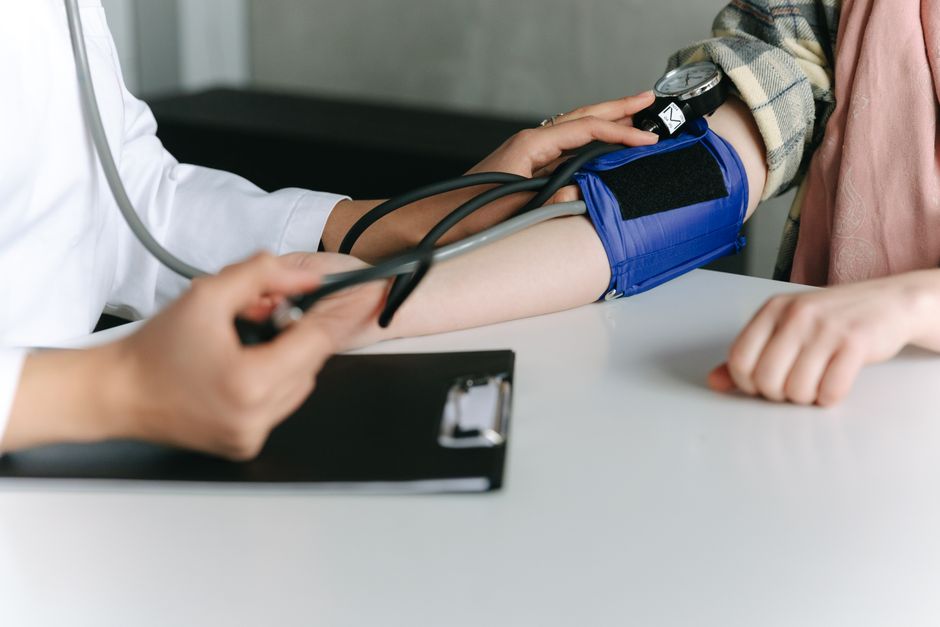
Blood pressure is measured with a cuff. A reading of 130/80 mmHg or higher indicates high blood pressure. Most people have no warning signs, which is why the condition is called a “silent killer.” The only reliable way to know your numbers is to measure them with a validated device.
What Is High Blood Pressure?
Blood pressure is the force of blood pushing against the walls of your arteries. Each heartbeat pumps blood through the body, and the pressure rises and falls naturally. When that force stays high over time, it damages artery walls and strains the heart and kidneys.
Doctors classify blood pressure into several ranges. Normal is below 120/80. Elevated is 120–129 systolic with diastolic below 80. Stage 1 hypertension is 130–139 systolic or 80–89 diastolic. Stage 2 is 140 or higher systolic or 90 or higher diastolic. A hypertensive crisis is 180/120 or above and requires emergency care.
These thresholds come from the American College of Cardiology and American Heart Association. They are based on large studies showing that risk of heart attack and stroke rises steadily once blood pressure passes 130/80.
How To Tell If Blood Pressure Is High
The only accurate way to tell is to take a measurement with a blood pressure cuff. Home monitors are widely available and easy to use. An automatic, upper‑arm cuff with a validated seal is the best option for most people. Wrist cuffs are less reliable unless used exactly as directed.
To get a correct reading: sit quietly for five minutes before measuring. Keep both feet flat on the floor. Do not talk. Place the cuff on bare skin, not over clothing. Rest your arm on a table so the cuff is at heart level. Take two or three readings one minute apart and average them.
Blood pressure changes throughout the day. It is lower during sleep and higher during activity, stress, or pain. A single high reading does not mean you have hypertension. Your doctor will usually confirm high blood pressure with readings on at least two separate visits.
What Are the Symptoms of High Blood Pressure?
Most people with high blood pressure have no symptoms at all. This is why the condition is dangerous. It can silently damage blood vessels and organs for years before a problem like heart attack, stroke, or kidney failure occurs.
Some people do report symptoms when blood pressure is very high — usually above 180/120. These can include severe headache, chest pain, shortness of breath, vision changes, or nosebleeds. However, these symptoms are not specific to high blood pressure and can have many other causes.
Relying on symptoms to tell you if your blood pressure is high is not safe. The absence of symptoms does not mean your numbers are normal. Regular measurement is the only way to know.


Can You Feel If Your Blood Pressure Is High?
No. Most people cannot feel high blood pressure. Common myths include that high blood pressure causes dizziness or facial flushing, but these are not reliable indicators. Flushing can be caused by heat, alcohol, or emotions. Dizziness can come from low blood pressure or many other conditions.
Some studies have found that a small number of people with newly diagnosed hypertension report headaches, but this is not consistent enough to be useful. Headaches are far more often caused by tension, dehydration, or migraines.
Trusting your body to warn you about high blood pressure is a mistake. A person can have a reading of 160/100 and feel perfectly fine. The only way to detect it is to measure.
What Do the Numbers Mean?
A blood pressure reading has two numbers: systolic (top) and diastolic (bottom). Systolic pressure is the force when the heart beats. Diastolic pressure is the force when the heart rests between beats. Both are important, but systolic pressure is given more weight in people over 50 because it is a stronger predictor of heart disease.
| Category | Systolic (mm Hg) | Diastolic (mm Hg) |
|---|---|---|
| Normal | less than 120 | less than 80 |
| Elevated | 120–129 | less than 80 |
| Stage 1 hypertension | 130–139 | or 80–89 |
| Stage 2 hypertension | 140 or higher | or 90 or higher |
| Hypertensive crisis | 180 or higher | and/or 120 or higher |
The table shows the standard categories used by U.S. guidelines. If your systolic and diastolic fall in different categories, the higher category is used. For example, 130/75 is stage 1 hypertension because of the top number.
How Often Should You Check Your Blood Pressure at Home?
If you have been diagnosed with high blood pressure, many doctors recommend checking twice a day — once in the morning before taking medication and once in the evening before dinner. If you are just screening because you are curious, one reading every few months may be enough if your numbers are normal.
Home monitoring helps detect patterns. White‑coat hypertension — high readings only in a doctor’s office — is common. Home readings are often lower and closer to your true average. Conversely, masked hypertension is when readings are normal in the clinic but high at home. Both situations are important to identify.
Keep a log of your readings with the date and time. Show it to your doctor. Do not change your medication or lifestyle based on a single high reading without medical advice.
When to See a Doctor
If your home readings are consistently above 130/80, make an appointment. Your doctor will repeat the measurement and may order blood tests, a urine test, or an electrocardiogram to look for organ damage. If you get a reading of 180/120 or higher, and you have symptoms like chest pain, shortness of breath, or vision changes, call 911. If you have a reading of 180/120 but no symptoms, wait five minutes and check again. If it is still that high, contact your doctor or go to an emergency room.
Untreated high blood pressure increases risk for heart attack, stroke, heart failure, kidney disease, and vision loss. Treatment includes lifestyle changes such as reducing sodium, eating more fruits and vegetables, exercising regularly, limiting alcohol, and maintaining a healthy weight. Many people also need medication to reach their blood pressure goal.
Frequently Asked Questions
Can high blood pressure cause headaches?
Severe headaches can occur with very high blood pressure (above 180/120), but most people with hypertension have no headache. Headaches are not a reliable sign of high blood pressure.
What is a normal blood pressure reading?
A normal reading is below 120/80 mmHg. Readings between 120/80 and 129/79 are considered elevated, not yet hypertension.
Can stress cause high blood pressure?
Stress can temporarily raise blood pressure, but it is not proven to cause chronic hypertension on its own. However, stress may lead to unhealthy habits like poor diet or smoking that increase risk.
Is 130/80 considered high blood pressure?
Yes. According to current U.S. guidelines, 130/80 mmHg or higher is considered stage 1 hypertension. It is important to follow up with a doctor for confirmation.
