
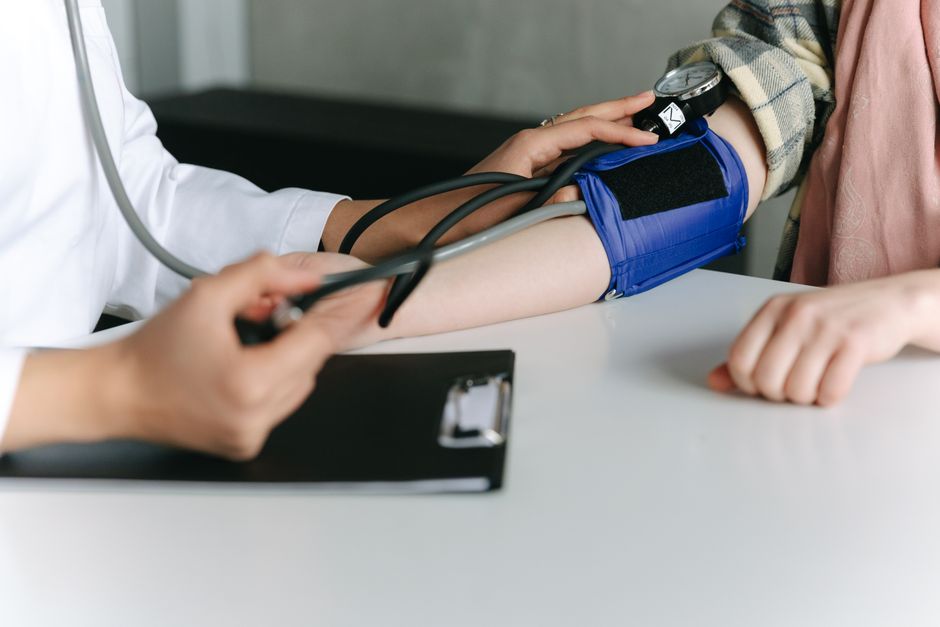
High blood pressure usually does not have one single cause. It is the result of several factors working together over time. The main drivers include your genetics, your diet, your physical activity level, and how well your kidneys regulate your body’s salt and fluid balance. Understanding these key causes is the first step to knowing what you can actually control.
What Exactly Happens Inside Your Body When Blood Pressure Rises?
Blood pressure is the force of blood pushing against your artery walls. When that force is too high for too long, it damages your arteries. Think of it like too much water pressure in a garden hose. Over time, the hose weakens and can burst.
Your heart pumps blood through a network of arteries. Those arteries have muscles that can tighten or relax. When they tighten, the space inside gets smaller and pressure goes up. When they relax, pressure goes down. Your kidneys also play a major role. They control how much fluid stays in your blood. More fluid means more volume, which means more pressure.
The body has its own pressure regulation system. It involves hormones, your nervous system, and your kidneys. When this system works correctly, your blood pressure stays in a healthy range. When something disrupts it, pressure can climb and stay high.
Most people with high blood pressure have what doctors call primary hypertension. This means there is no single medical condition causing it. It develops slowly over many years. The causes are a mix of lifestyle factors and genetics. About 5 to 10 percent of cases are secondary hypertension, which is caused by an underlying condition like kidney disease or a thyroid problem.
How Does Your Diet Directly Affect Your Blood Pressure?
Sodium is the single biggest dietary factor. The American Heart Association recommends no more than 2,300 milligrams of sodium per day. Most Americans eat closer to 3,400 milligrams. That extra sodium makes your body hold onto water. More water in your blood means more volume, and more volume means higher pressure on your artery walls.
Potassium works against sodium. It helps your kidneys flush out excess sodium. Foods high in potassium include bananas, potatoes, spinach, avocados, and beans. Most people do not get enough potassium. The balance between sodium and potassium matters more than either one alone.
Processed foods are the main source of sodium in the American diet. Bread, deli meats, canned soups, frozen dinners, and restaurant meals are loaded with it. Even foods that do not taste salty, like some cereals and pastries, can have significant sodium. Cooking from scratch with whole ingredients is the most reliable way to reduce your intake.
Alcohol is another dietary factor that directly raises blood pressure. The CDC reports that drinking more than three drinks in one sitting can cause a temporary spike. Over time, heavy drinking damages the heart and blood vessels. Limiting alcohol to no more than one drink per day for women and two for men is the standard recommendation.
What Leads To High Blood Pressure Key Causes Related to Weight and Inactivity?
Excess body weight is one of the strongest predictors of high blood pressure. The more you weigh, the more blood your body needs to supply oxygen and nutrients to your tissues. More blood volume means more pressure on your arteries. Research published in the Journal of the American Heart Association found that people who are overweight have roughly double the risk of developing hypertension compared to people at a healthy weight.
Where you carry that weight also matters. Fat stored around your abdomen, often called visceral fat, is more dangerous than fat stored in your hips and thighs. Visceral fat releases inflammatory substances that can damage blood vessels and make them less flexible. A waist measurement over 40 inches for men or 35 inches for women is a red flag.
Physical inactivity makes things worse. When you are sedentary, your heart has to work harder to pump blood through stiff arteries. Regular exercise keeps your arteries flexible and helps your body use insulin more efficiently. Insulin resistance is closely linked to high blood pressure. Even modest activity like a 30-minute brisk walk five days per week can lower systolic pressure by 4 to 9 mmHg.
Losing just 5 to 10 percent of your body weight can produce meaningful reductions. For a 200-pound person, that is 10 to 20 pounds. The effect is most noticeable in people who are overweight and have already been diagnosed with prehypertension or stage 1 hypertension.



How Do Genetics and Family History Influence Your Risk?
Genetics play a significant role. If one or both of your parents have high blood pressure, your risk is higher. Studies on twins have shown that heritability of blood pressure is roughly 30 to 50 percent. That means about half of your risk comes from your genes, and the other half comes from your environment and lifestyle.
Specific genetic variants affect how your kidneys handle sodium. Some people are salt-sensitive. Their blood pressure rises more dramatically in response to high sodium intake. Others are salt-resistant and can eat more salt without a large effect. There is no simple genetic test for this yet, but your family history gives you a strong clue.
Race also matters. Non-Hispanic Black adults develop high blood pressure earlier in life and at higher rates than other groups. The CDC reports that about 56 percent of Black adults have hypertension compared to 48 percent of White adults. The reasons are not fully understood but include genetic differences in salt sensitivity and higher rates of stress from systemic factors.
Knowing your family history does not mean you are doomed. It means you need to be more careful with the factors you can control. If your parents had high blood pressure, you should start getting your own checked regularly by age 20, not age 40.
What Role Does Chronic Stress and Sleep Play?
Chronic stress keeps your body in a state of low-level alert. Your nervous system releases hormones like cortisol and adrenaline that temporarily raise your heart rate and narrow your blood vessels. When stress is constant, those temporary spikes become the new normal. Over months and years, this can lead to sustained high blood pressure.
The problem is not the stress itself. It is how your body responds to it. Some people cope with stress by smoking, drinking alcohol, or eating comfort foods high in salt and fat. Those behaviors directly raise blood pressure. Managing the underlying stress is less important than managing what you do in response to it.
Poor sleep is an independent risk factor. The National Sleep Foundation recommends 7 to 9 hours per night. People who sleep fewer than 6 hours have significantly higher rates of hypertension. Sleep is when your body repairs blood vessels and regulates stress hormones. Chronic sleep deprivation disrupts that process.
Sleep apnea is a specific condition that strongly links to high blood pressure. It causes you to stop breathing briefly many times per night. Each time, your oxygen drops and your body releases stress hormones. Treating sleep apnea with a CPAP machine can lower blood pressure by 3 to 6 mmHg on average.
What Medications and Supplements Can Cause High Blood Pressure?
Some prescription medications can raise blood pressure as a side effect. Nonsteroidal anti-inflammatory drugs like ibuprofen and naproxen can cause fluid retention and reduce kidney function. Decongestants found in cold and allergy medications constrict blood vessels. Oral contraceptives and some antidepressants also have blood pressure effects.
Herbal supplements are not risk-free. Some products marketed for energy or weight loss contain stimulants that raise heart rate and blood pressure. Ephedra, bitter orange, and high-dose caffeine supplements are known culprits. The FDA does not regulate supplements for safety or effectiveness before they hit the market.
Recreational drugs like cocaine and methamphetamine cause dramatic, dangerous spikes in blood pressure. Even cannabis can cause temporary increases in heart rate and blood pressure, though long-term effects are still being studied. If you have hypertension, it is worth reviewing every medication and supplement you take with your doctor.
The table below summarizes the major categories of causes and their relative impact.
| Cause Category | Mechanism | Relative Impact |
|---|---|---|
| Diet (sodium, potassium imbalance) | Fluid retention, artery constriction | High |
| Excess weight | Increased blood volume, inflammation | High |
| Physical inactivity | Stiff arteries, insulin resistance | Moderate to High |
| Genetics and family history | Kidney function, salt sensitivity | Moderate |
| Chronic stress and poor sleep | Hormone disruption, nervous system overactivation | Moderate |
| Medications and supplements | Fluid retention, vasoconstriction | Low to Moderate |
Common Misconceptions About What Raises Blood Pressure
Caffeine is often blamed for causing chronic high blood pressure. The evidence does not support that. Caffeine can cause a temporary spike of 5 to 10 mmHg within 30 minutes of drinking it. But regular coffee drinkers develop tolerance. Long-term studies have not found a link between moderate coffee consumption and sustained hypertension. If you already have high blood pressure, it is reasonable to limit caffeine, but it is not a primary cause.
Salt substitutes that use potassium chloride are not dangerous for most people. They can actually help lower blood pressure. The exception is people with kidney disease who cannot clear potassium well. If your kidneys are healthy, potassium-based salt substitutes are a reasonable option.
Red wine is not a treatment for high blood pressure. Some studies suggest that moderate alcohol intake may have heart benefits, but the evidence is weak and inconsistent. The risks of alcohol, including raising blood pressure, outweigh any potential benefits. There is no safe amount of alcohol that lowers blood pressure.
Stress alone does not cause permanent high blood pressure in most people. It contributes, but it is rarely the sole cause. People who manage stress well can still develop hypertension if other factors like diet and weight are not addressed. Blaming stress can distract from the more actionable causes you can change.
Frequently Asked Questions
Can high blood pressure be reversed without medication?
Some people can lower their blood pressure to normal levels through lifestyle changes alone. This is most likely in people with stage 1 hypertension who make significant changes to diet, weight, and activity.
Is high blood pressure always caused by something you can control?
No. Genetics, age, and family history play a large role that you cannot change. What you can control is how those factors interact with your diet, weight, and activity level.
How quickly does salt affect blood pressure?
Blood pressure can rise within hours of eating a high-sodium meal. The effect can last for 24 hours or longer depending on how well your kidneys process the sodium.
Does drinking more water lower blood pressure?
Drinking water does not directly lower blood pressure in most people. Staying properly hydrated helps your kidneys function well, but excess water does not flush out sodium or relax blood vessels.
