
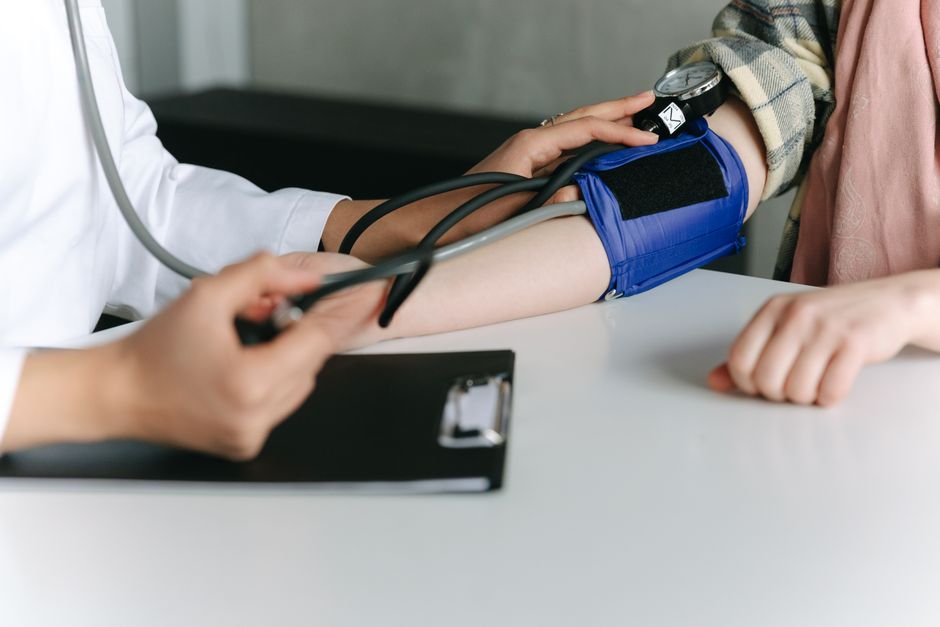
For a 70-year-old woman, normal blood pressure is below 120/80 mmHg. This is the same target for all adults according to the American College of Cardiology and the American Heart Association. The top number (systolic) should be under 120 and the bottom number (diastolic) under 80. Many people believe higher numbers are acceptable for older women. The evidence does not support that.
What Is Normal Blood Pressure For A 70-Year Old Woman According to Current Guidelines?
The standard is clear. Normal blood pressure for a 70-year-old woman is below 120/80 mmHg. This comes from the 2017 guidelines published by the American College of Cardiology and the American Heart Association. These guidelines apply to everyone age 18 and older regardless of age.
Blood pressure between 120-129 systolic with diastolic under 80 is called elevated. Stage 1 hypertension starts at 130/80. Stage 2 hypertension starts at 140/90. A hypertensive crisis is 180/120 or higher and requires immediate medical attention.
There is no separate “older adult” normal range. Some older guidelines used 150/90 for people over 60. Those have been replaced. Research published in JAMA in 2017 showed that treating to the lower target of 130/80 reduced cardiovascular events and deaths in older adults.
Does Blood Pressure Naturally Rise With Age?
Yes but this does not mean higher readings are normal or safe. Research shows that systolic blood pressure tends to rise as arteries stiffen with age. Diastolic pressure often rises until about age 60 then may level off or drop slightly.
The Framingham Heart Study followed thousands of people for decades. It found that the risk of heart attack and stroke increases steadily as blood pressure rises above 115/75. This risk does not reset at age 70. A 70-year-old woman with a reading of 140/90 has roughly double the cardiovascular risk of a woman her age with a reading of 120/80.
Many doctors once accepted 150/90 as adequate for older patients. That view is now outdated. The SPRINT study published in the New England Journal of Medicine showed that intensive treatment to a systolic target of 120 reduced cardiovascular events by 25% in adults over 50 including those over 75.
What Is the Difference Between Normal Blood Pressure and Hypertension for Older Women?
| Category | Systolic (Top Number) | Diastolic (Bottom Number) |
|---|---|---|
| Normal | Less than 120 | Less than 80 |
| Elevated | 120-129 | Less than 80 |
| Stage 1 Hypertension | 130-139 | 80-89 |
| Stage 2 Hypertension | 140 or higher | 90 or higher |
| Hypertensive Crisis | 180 or higher | 120 or higher |
The distinction matters because treatment changes at each threshold. A woman with stage 1 hypertension may start with lifestyle changes. A woman with stage 2 hypertension typically needs medication. These thresholds are the same for 70-year-old women as for 40-year-old men.
One important detail for older women is pulse pressure. This is the difference between systolic and diastolic numbers. A pulse pressure over 60 is associated with higher cardiovascular risk. For example 150/80 has a pulse pressure of 70. This is more concerning than 130/90 which has a pulse pressure of 40.
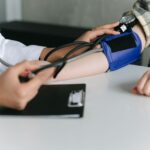

How Should a 70-Year-Old Woman Measure Blood Pressure at Home?
Home monitoring is reliable when done correctly. Use a validated upper arm monitor with an appropriately sized cuff. Wrist monitors and finger monitors are less accurate and not recommended. The American Heart Association provides a list of validated monitors on their website.
Take readings at the same time each day. Morning before eating or taking medication and evening before bed are standard. Sit quietly for five minutes before measuring. Feet flat on the floor. Back supported. Arm at heart level on a table. Do not talk during measurement.
Take two readings one minute apart and record the average. Bring this log to medical appointments. A single high reading at the doctor’s office is not diagnostic. White coat hypertension affects up to 30% of people. Home readings give a more accurate picture of true blood pressure.
One common mistake is taking blood pressure right after exercise or a stressful event. Wait at least 30 minutes. Caffeine and nicotine also raise readings temporarily. Avoid both for 30 minutes before measuring.
What Lifestyle Changes Actually Lower Blood Pressure in Older Women?
The DASH diet has the strongest evidence. Research published in the New England Journal of Medicine found that the DASH diet lowered systolic blood pressure by 11 mmHg in people with hypertension. The diet emphasizes fruits vegetables whole grains lean protein and low-fat dairy. It limits sodium saturated fat and added sugar.
Sodium reduction is effective for many older women. The average American consumes about 3400 mg of sodium daily. The AHA recommends no more than 2300 mg and ideally 1500 mg for people with hypertension. Cutting 1000 mg per day can lower systolic pressure by about 5-6 mmHg.
Physical activity also helps. The AHA recommends at least 150 minutes of moderate aerobic activity per week. Brisk walking swimming and cycling are good options. Strength training twice per week provides additional benefit. Even 10-minute walks after meals can lower blood pressure.
Weight loss of 5-10% of body weight can reduce systolic pressure by 5-10 mmHg in overweight women. Alcohol reduction matters too. Limiting to one drink per day or less is the recommendation for women. Some evidence suggests that even one drink daily may raise blood pressure in some people.
What Medications Are Commonly Prescribed for Hypertension in Older Women?
Several classes of medications are used. Thiazide diuretics are often first-line. They help the kidneys remove sodium and water which lowers blood volume. Calcium channel blockers relax blood vessels. ACE inhibitors and ARBs block hormones that constrict blood vessels.
The choice depends on individual health factors. A woman with diabetes may benefit from an ACE inhibitor. A woman with osteoporosis may benefit from a thiazide diuretic which also helps retain calcium. A woman with heart failure may need beta blockers. There is no single best medication for all 70-year-old women.
Most people need two or more medications to reach target blood pressure. Starting with low doses of two different classes is often more effective and causes fewer side effects than a high dose of one medication. This is called combination therapy.
Side effects vary by medication class. Thiazide diuretics can lower potassium. ACE inhibitors can cause a dry cough. Calcium channel blockers can cause ankle swelling. Beta blockers can cause fatigue and slow heart rate. These side effects are manageable and should be discussed with a doctor.
What Are the Risks of Untreated High Blood Pressure in Older Women?
Untreated hypertension increases the risk of heart attack by about 2-3 times. It increases stroke risk by 3-4 times. The CDC reports that hypertension contributes to nearly 500,000 deaths per year in the United States. Many of these deaths are preventable with treatment.
High blood pressure damages arteries over time. This damage contributes to atherosclerosis or hardening of the arteries. It also increases the workload on the heart leading to heart failure. The risk of atrial fibrillation an irregular heart rhythm is higher in people with untreated hypertension.
Kidney damage is another concern. The kidneys filter blood through tiny blood vessels. High pressure damages these vessels over time. This can lead to chronic kidney disease and eventually kidney failure requiring dialysis. The risk increases as blood pressure stays above target.
Cognitive decline is also linked to hypertension. Research published in the journal Hypertension found that people with untreated high blood pressure in midlife and older age had higher rates of dementia. Controlling blood pressure may help preserve cognitive function.
Some people report that they feel fine and do not need treatment. Hypertension is called the silent killer for a reason. Most people have no symptoms until damage has already occurred. This is why regular monitoring and treatment are important even without symptoms.
Frequently Asked Questions
Is 140/90 normal for a 70-year-old woman?
No. 140/90 is stage 2 hypertension according to current guidelines. It is not normal and increases the risk of heart attack and stroke.
What is the best blood pressure medicine for elderly women?
There is no single best medication. Thiazide diuretics calcium channel blockers and ACE inhibitors are common first-line options. The choice depends on individual health conditions and should be made with a doctor.
Can a 70-year-old woman lower blood pressure without medication?
Yes for mild hypertension. The DASH diet sodium reduction weight loss and regular exercise can lower blood pressure significantly. Stage 2 hypertension typically requires medication in addition to lifestyle changes.
What time of day is blood pressure highest in older women?
Blood pressure typically rises in the morning after waking. This is called morning surge. It is the peak risk time for heart attacks and strokes. Evening readings are usually lower.
