
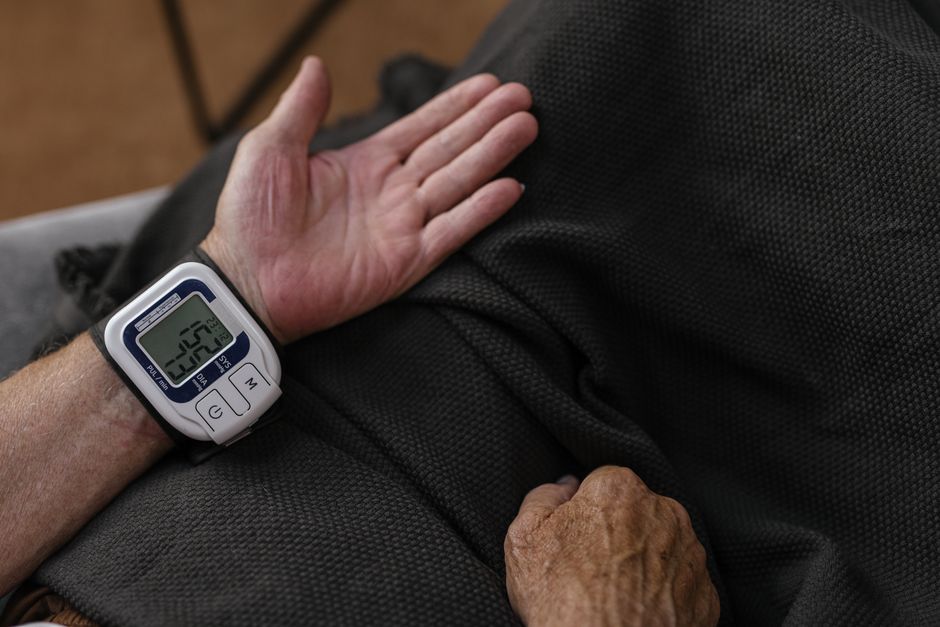
Managing blood pressure starts with two things you control every day: what you eat and how you move. Diet changes like cutting sodium and eating more potassium-rich foods can lower blood pressure by 5 to 11 points. Regular exercise adds another 5 to 8 point drop. These numbers come from real clinical studies, not wishful thinking. The rest of this article walks through what the evidence actually says about diet, exercise, and other steps that work.
How Does the DASH Diet Help Lower Blood Pressure?
The DASH diet is the most studied eating plan for blood pressure. DASH stands for Dietary Approaches to Stop Hypertension. The National Institutes of Health funded the original research, and the results were clear. People who followed DASH lowered their systolic pressure by an average of 11 points.
The diet focuses on vegetables, fruits, whole grains, and lean protein. It limits red meat, sugar, and saturated fat. What makes DASH different from general healthy eating is its emphasis on specific nutrients. You aim for 4,700 milligrams of potassium daily, along with plenty of magnesium and calcium. These minerals help your blood vessels relax.
A typical DASH day includes four to five servings of vegetables, four to five servings of fruit, and two to three servings of low-fat dairy. Most Americans get nowhere near these numbers. The average adult eats less than two servings of vegetables per day. That gap explains why DASH produces real results for most people who try it.
Sodium is the other big piece. DASH recommends staying under 2,300 milligrams per day. For better results, some people aim for 1,500 milligrams. One teaspoon of salt contains about 2,300 milligrams. Most of the sodium Americans eat comes from packaged and restaurant food, not the salt shaker.
What Type of Exercise Actually Lowers Blood Pressure?
Aerobic exercise gets the most attention, and for good reason. Walking, jogging, cycling, and swimming all lower blood pressure. The American Heart Association recommends 150 minutes of moderate aerobic activity per week. That breaks down to 30 minutes, five days a week.
Research published in the journal Hypertension found that aerobic exercise lowered resting blood pressure by an average of 5 to 8 points. The effect was strongest in people who already had high blood pressure. People with normal blood pressure saw smaller drops, but still benefited.
Resistance training also helps, though the research is less dramatic. Lifting weights two to three times per week can lower blood pressure by 2 to 4 points. The key is using moderate weight with more repetitions, not maxing out on heavy loads. Circuit training that combines strength moves with minimal rest between sets seems to work best.
Isometric exercises are a newer area of interest. Wall sits and planks have shown some of the largest blood pressure reductions in recent studies. One meta-analysis found that isometric handgrip training lowered blood pressure by about 10 points systolic. More research is needed, but the early results are promising.
Does How To Manage Blood Pressure Diet Exercise And More Include Stress Management?
Stress does not cause permanent high blood pressure on its own. But it can spike your numbers temporarily, and chronic stress makes it harder to stick with healthy habits. The connection is real, even if the mechanism is not as direct as some headlines suggest.
When you are stressed, your body releases cortisol and adrenaline. These hormones make your heart beat faster and narrow your blood vessels. That raises your pressure in the moment. If you are stressed all the time, your blood vessels stay semi-constricted for longer periods.
Deep breathing is the simplest stress technique with some research behind it. Slow, diaphragmatic breathing at six breaths per minute can lower blood pressure temporarily. A study in the Journal of Human Hypertension found that five minutes of slow breathing reduced systolic pressure by about 7 points in people with hypertension.
Meditation and mindfulness also show modest benefits. The evidence is not as strong as for diet and exercise, but it is consistent. A review of multiple studies found that mindfulness-based programs lowered blood pressure by about 4 to 5 points. That is not nothing, but it is not a replacement for the DASH diet or daily walks.



How Much Sodium Is Too Much for Blood Pressure?
The average American eats about 3,400 milligrams of sodium per day. The recommended limit for most adults is 2,300 milligrams. For people with high blood pressure, the American Heart Association suggests an ideal limit of 1,500 milligrams per day.
Salt sensitivity varies from person to person. Some people see a big drop in blood pressure when they cut sodium. Others see little change. Age and race play a role. Older adults and Black Americans tend to be more salt-sensitive. If you fall into either group, cutting sodium is especially important.
Most of the sodium you eat does not come from your salt shaker. About 70 percent comes from processed and restaurant foods. Bread, deli meat, pizza, soup, and condiments are common sources. A single slice of bread has around 150 milligrams. A fast food burger can have over 1,000 milligrams.
Reading labels helps, but it is not enough. Many foods labeled “reduced sodium” still contain significant amounts. The best strategy is to cook more meals at home using whole ingredients. When you control the salt, you control the number.
What Role Does Potassium Play in Blood Pressure Control?
Potassium helps your kidneys flush out excess sodium. When you eat more potassium, you excrete more sodium in your urine. That lowers the volume of blood in your vessels, which reduces pressure on the walls.
The recommended intake is 4,700 milligrams per day for most adults. Most Americans get less than half that amount. Bananas are the most famous source, but they are not the best. One banana has about 420 milligrams. A cup of cooked spinach has 840 milligrams. A medium baked potato with the skin has 930 milligrams.
Other good sources include sweet potatoes, avocados, beans, lentils, yogurt, and salmon. The key is eating a variety of these foods throughout the day. It is very difficult to get enough potassium from supplements alone. Most potassium supplements contain only 99 milligrams per pill, far below what you need.
People with kidney disease should talk to their doctor before increasing potassium. Damaged kidneys cannot filter potassium effectively, and high levels can be dangerous. For everyone else, getting more potassium from food is safe and effective.
How Long Does It Take for Lifestyle Changes to Lower Blood Pressure?
Diet changes can start working within two to four weeks. A study in the New England Journal of Medicine found that people on the DASH diet saw significant drops in blood pressure after just two weeks. The full effect took about four weeks to develop.
Exercise effects show up faster. A single session of aerobic exercise can lower blood pressure for up to 24 hours afterward. This is called post-exercise hypotension. The effect is strongest in people with higher starting blood pressure. Regular exercise builds on this temporary drop, leading to lasting reductions over several weeks.
Weight loss takes longer but produces bigger results. Losing one kilogram of body weight, about 2.2 pounds, lowers blood pressure by roughly one point. A 10-pound weight loss can drop your numbers by 4 to 5 points. The effect builds over months as the weight stays off.
Combining multiple approaches speeds things up. Someone who follows DASH, walks 30 minutes daily, and loses weight might see a 15 to 20 point drop in systolic pressure within three months. That is comparable to a single blood pressure medication, without the side effects.
What About Alcohol and Caffeine?
Alcohol raises blood pressure in a dose-dependent way. The more you drink, the higher your numbers go. The CDC reports that heavy drinkers, defined as women who have more than one drink per day and men who have more than two, have significantly higher rates of hypertension.
Cutting back helps. A review of 20 clinical trials found that reducing alcohol intake lowered systolic blood pressure by about 5 points in heavy drinkers. Light drinkers who cut back saw smaller but still meaningful drops.
Caffeine is more complicated. It causes a temporary spike in blood pressure, usually 5 to 10 points, that lasts for about three hours. But regular coffee drinkers develop a tolerance. Long-term studies do not show a strong link between moderate coffee consumption and chronic high blood pressure.
If you have high blood pressure, it is fine to drink coffee in moderation. Just do not check your pressure right after your morning cup. Wait at least 30 minutes for an accurate reading. If you notice your numbers are consistently higher on days you drink caffeine, consider cutting back.
| Lifestyle Change | Typical Systolic Drop | Time to See Effect |
|---|---|---|
| DASH Diet | 8–11 points | 2–4 weeks |
| Aerobic Exercise | 5–8 points | 1–2 weeks |
| Weight Loss (10 lbs) | 4–5 points | 2–3 months |
| Sodium Reduction | 5–6 points | 1–2 weeks |
| Stress Management | 4–5 points | 4–8 weeks |
Common Misconceptions About Blood Pressure Management
Many people believe that high blood pressure has obvious symptoms like headaches or dizziness. This is false. High blood pressure is called the silent killer because it usually has no symptoms at all. You cannot feel it. The only way to know your numbers is to check them.
Another myth is that medication is the only option for serious cases. While medication is often necessary, lifestyle changes can reduce or even eliminate the need for drugs in some people. A study in the Journal of the American College of Cardiology found that intensive lifestyle intervention allowed some patients to reduce their medication dosages under medical supervision.
Some people think that herbal supplements like garlic, fish oil, or coenzyme Q10 can replace medication. The evidence for these supplements is weak and inconsistent. Garlic may lower blood pressure by a few points, but not enough to treat hypertension on its own. Do not stop prescribed medication for any supplement without your doctor’s approval.
Home monitoring is underused. Many people only get their blood pressure checked at the doctor’s office, where it is often higher due to anxiety. This is called white coat hypertension. A home monitor costs about $30 to $50 and gives you a much more accurate picture of your true numbers.
Frequently Asked Questions
How quickly can diet and exercise lower blood pressure?
Diet changes can start working within two weeks, and exercise can lower blood pressure for up to 24 hours after each session. Full results from combining both usually appear within one to three months.
Is the DASH diet better than just cutting salt?
Yes, the DASH diet is more effective than cutting salt alone because it also increases potassium, magnesium, and calcium. These minerals help relax blood vessels and flush out sodium.
Can I stop taking blood pressure medication if I change my diet?
Only under your doctor’s supervision. Lifestyle changes can reduce your need for medication, but stopping suddenly can be dangerous. Your doctor will adjust your dosage based on your new numbers.
Does walking every day really lower blood pressure?
Yes, 30 minutes of walking five days per week lowers systolic pressure by 5 to 8 points on average. Consistency matters more than intensity for blood pressure benefits.
