
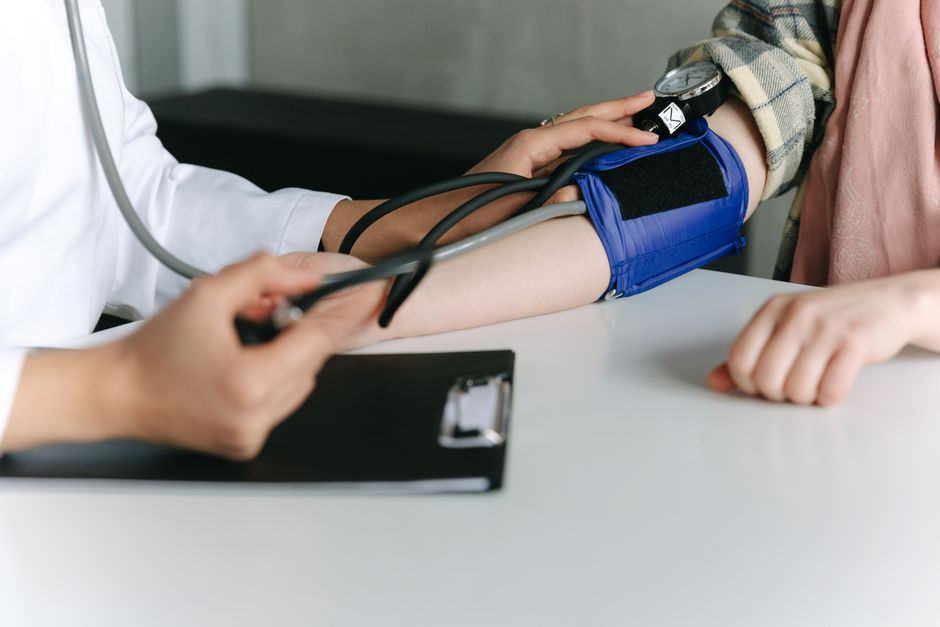
Blood pressure can change surprisingly fast. Some people see meaningful drops within days when they change what they eat, how they move, and what they drink. The key is knowing which changes actually work and which ones are just noise. This guide covers the evidence-based steps that can lower blood pressure in a week, and it also explains what a week can and cannot do for you.
What Can Realistically Happen in Seven Days?
A week is enough time to see measurable change, but it is not enough time to cure chronic high blood pressure. Studies consistently show that dietary changes like reducing sodium can lower blood pressure within days. The effect is real and repeatable.
What you will not see in a week is the full benefit of long-term changes like weight loss or regular exercise. Those take weeks to months to show their full effect. That does not mean they are not worth starting now. It means you should set realistic expectations about what a single week delivers.
For someone with blood pressure in the 130s or 140s systolic range, a week of aggressive sodium reduction and increased potassium intake can produce a drop of 5 to 10 mmHg. For someone with normal blood pressure, the same changes produce smaller effects. The response depends on your starting point.
Cut Sodium Hard and Fast
Sodium is the single most powerful dietary lever for short-term blood pressure change. When you eat less salt, your kidneys excrete more water. Less fluid in your blood vessels means less pressure against the vessel walls. This mechanism is well established and works within days.
The average American consumes about 3,400 mg of sodium per day. The Dietary Guidelines for Americans recommend limiting sodium to less than 2,300 mg per day, and the American Heart Association suggests an ideal limit of 1,500 mg per day for most adults, especially those with high blood pressure.
Dropping from 3,400 mg to under 1,500 mg in a week is difficult but possible. The fastest way is to stop eating restaurant food and processed food entirely. Most sodium in the American diet comes from packaged foods, not from the salt shaker. Bread, deli meat, canned soup, frozen dinners, and condiments are the biggest sources.
Cook at home with fresh ingredients. Use herbs, spices, lemon, and vinegar for flavor instead of salt. Check every nutrition label. If a single serving has more than 300 mg of sodium, it is a high-sodium food. Read labels on everything for one week and you will see where the sodium is hiding.
Add Potassium-Rich Foods
Potassium works against sodium. It helps your kidneys flush out excess sodium and relaxes blood vessel walls. The balance between sodium and potassium matters more than either one alone.
The recommended daily intake for potassium is 3,400 mg for men and 2,600 mg for women. Most Americans get about half of that. Closing that gap in a week is possible with deliberate food choices.
High-potassium foods include bananas, potatoes, sweet potatoes, spinach, beans, lentils, yogurt, avocado, and oranges. A baked potato with the skin has about 925 mg of potassium. A cup of cooked lentils has about 730 mg. A medium banana has about 420 mg. Adding a few of these to each meal gets you to the target quickly.
People with kidney disease should not increase potassium without talking to a doctor first. Damaged kidneys cannot clear potassium effectively, and high potassium can be dangerous. For everyone else, food-based potassium is safe and effective.


Hydrate but Skip the Alcohol
Dehydration makes blood pressure harder to control. When fluid volume drops, your body compensates by constricting blood vessels, which raises pressure. Drinking enough water keeps blood volume stable.
Alcohol works the opposite way in some ways but still harms blood pressure. Heavy drinking raises blood pressure within hours and keeps it elevated for days. Even moderate drinking can interfere with blood pressure medications. The most reliable choice for a blood pressure week is no alcohol at all.
Caffeine is more complicated. For people who do not drink it regularly, caffeine can cause a temporary spike in blood pressure. For regular drinkers, the effect is smaller and tolerance develops. If you drink coffee daily, there is no strong evidence that stopping it will lower your blood pressure within a week. If you are sensitive to caffeine, cutting it can help.
Move Your Body Every Day
One session of aerobic exercise lowers blood pressure for several hours afterward. This is called post-exercise hypotension, and it is a well-documented effect. Doing some form of aerobic activity every day for a week gives you that benefit repeatedly.
Brisk walking, cycling, swimming, or jogging all work. Aim for at least 30 minutes of moderate-intensity activity most days. Moderate intensity means you can talk but not sing while moving. You do not need to run a marathon. A daily 30-minute walk is enough to produce measurable short-term effects.
One caveat: if your blood pressure is very high, check with your doctor before starting a new exercise routine. For most people, walking is safe. For someone with readings above 180/120, exercise should wait until blood pressure is better controlled.
Breathe Slowly and Deliberately
Slow breathing activates the parasympathetic nervous system, which counteracts the fight-or-flight response. This lowers heart rate and relaxes blood vessels. The effect is small but measurable.
One technique with research support is device-guided slow breathing, where you breathe at about six breaths per minute. That is roughly five seconds in and five seconds out. Practicing this for 15 minutes daily can produce small reductions in blood pressure, though the effect is modest compared to sodium reduction.
A simpler version: sit comfortably, breathe in through your nose for four counts, hold briefly, and exhale slowly for six counts. Repeat for five to ten minutes. This is not a replacement for medication or dietary changes, but it is a legitimate tool for short-term relaxation and blood pressure reduction.
Sleep and Stress in a Week
Poor sleep raises blood pressure. One night of short sleep increases blood pressure the next day. A week of poor sleep can keep it elevated. Prioritizing sleep for seven nights can help bring readings down.
Go to bed at the same time each night. Keep the bedroom cool and dark. Avoid screens for an hour before bed. These habits do not fix chronic sleep problems, but they can improve sleep quality enough to affect blood pressure within a week.
Stress reduction works through the same pathway as slow breathing. Acute stress raises blood pressure through adrenaline and cortisol. Removing a major stressor can lower blood pressure quickly. But general stress management techniques like meditation have modest, gradual effects rather than dramatic one-week changes. Do not expect a single meditation session to drop your blood pressure by 20 points.
What Not to Waste Your Time On
Some popular remedies have no solid evidence behind them. Apple cider vinegar, garlic supplements, and various herbal teas are widely promoted for blood pressure. The evidence for these is weak or mixed. Some studies suggest garlic may have a small effect, but the quality of evidence is limited. No supplement has been proven to lower blood pressure as effectively as dietary changes or medication.
Be cautious with supplements that claim to lower blood pressure. Some can interact with blood pressure medications or cause other problems. The FDA does not regulate supplements for safety or effectiveness the way it regulates drugs. If a product promises dramatic blood pressure reduction, treat that claim with skepticism.
One more thing to avoid: checking your blood pressure constantly. Anxiety about readings can raise blood pressure, creating a feedback loop. Check once in the morning and once in the evening if you are tracking. More frequent checking does not help and can hurt.
When to See a Doctor
Blood pressure above 180/120 is a hypertensive crisis and requires immediate medical attention. If you have readings in that range along with chest pain, shortness of breath, or vision changes, call 911.
For readings in the 140s or 150s, lifestyle changes are worth trying, but you should also talk to your doctor. Some people need medication regardless of lifestyle changes. Genetics and age play a large role in blood pressure, and no amount of dietary discipline can override those factors for everyone.
If you are already on blood pressure medication, do not stop or change your dose without talking to your doctor. Lifestyle changes can enhance the effect of medication, and your doctor may need to adjust your dose to avoid blood pressure dropping too low.
Frequently Asked Questions
Can I lower blood pressure naturally in 7 days?
Yes, cutting sodium and adding potassium-rich foods can lower blood pressure within a week. The drop is typically 5 to 10 mmHg, which is meaningful but not a cure for chronic hypertension.
How much water should I drink to lower blood pressure?
There is no specific water target for blood pressure, but staying adequately hydrated supports normal blood volume. Drinking when thirsty and keeping urine light yellow is a reasonable guide.
Is it safe to exercise with high blood pressure?
Moderate exercise like walking is safe for most people with high blood pressure. If your readings are above 180/120, check with your doctor before starting a new exercise routine.
Do supplements lower blood pressure quickly?
No supplement has been proven to lower blood pressure as effectively as dietary changes or medication. Some supplements may have small effects, but the evidence is limited and quality varies widely.
