
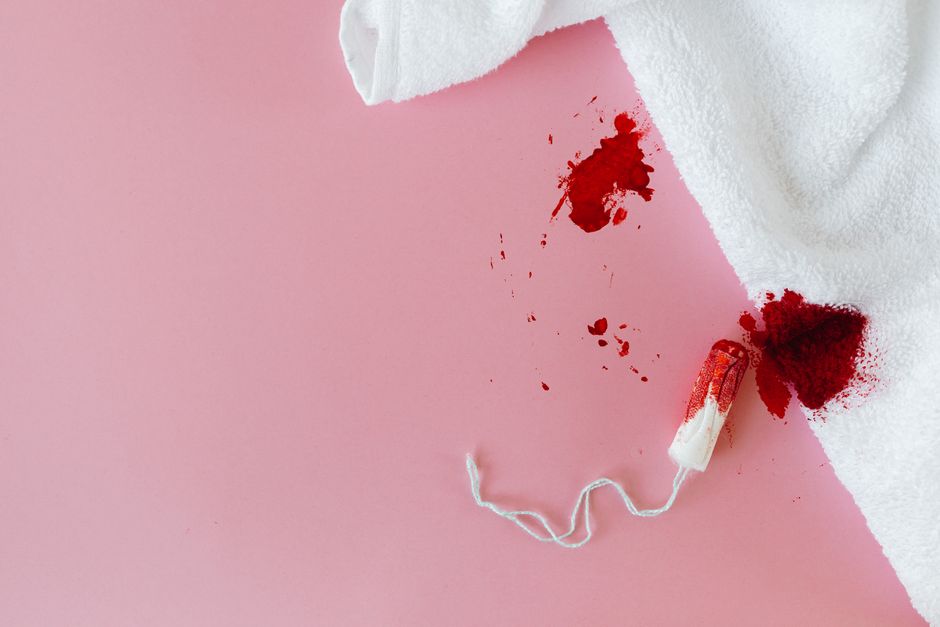
Period blood is normally red, but it can range from bright red to dark brown depending on the day of your cycle. Green is not a normal color for menstrual blood. If you see green discharge around your period, it usually points to an infection, and you should see a healthcare provider for an accurate diagnosis. This guide explains what green discharge means, the likely causes, and when you need medical care.
What Does Green Period Blood Actually Mean?
Green discharge is not menstrual blood itself. It is cervical or vaginal mucus that has mixed with blood, and the green color typically comes from a type of white blood cell called neutrophils. These cells contain an enzyme called myeloperoxidase, which turns green when it reacts with oxygen. Your body sends neutrophils to fight infection, so green discharge is a strong sign that your immune system is responding to something.
The timing matters. If you see green discharge right before or after your period, it may be mixed with blood and look like green period blood. But the source is still the infection, not the uterine lining. This is an important distinction because the treatment targets the infection, not your menstrual cycle.
What Causes Green Discharge Around Your Period?
Several infections can cause green discharge. The most common are sexually transmitted infections and bacterial overgrowth in the vagina. These conditions change the normal balance of bacteria or introduce new pathogens, and the body responds with green-tinged mucus.
Common causes include:
- Trichomoniasis — a parasitic infection that often causes frothy, yellow-green discharge with a strong odor
- Bacterial vaginosis — an overgrowth of certain bacteria that can cause a thin, grayish or greenish discharge with a fishy smell
- Gonorrhea or chlamydia — bacterial STIs that can cause abnormal discharge, though not always green
- Pelvic inflammatory disease (PID) — an infection of the reproductive organs that can develop when STIs go untreated
Some research suggests that certain normal vaginal bacteria can produce a green tint under specific conditions, but this is not well established. The safest approach is to assume green discharge means infection until a test proves otherwise.
When Is Green Discharge an Emergency?
Green discharge alone is not an emergency, but it does require prompt medical attention. You should see a healthcare provider within a few days. Some symptoms make it more urgent. If you have green discharge along with any of the following, seek care immediately:
- Severe pelvic or abdominal pain
- Fever over 100.4°F (38°C)
- Heavy bleeding that soaks a pad or tampon every hour
- Fainting, dizziness, or rapid heartbeat
- Pain during sex that is sharp or severe
These symptoms can indicate pelvic inflammatory disease or a more serious infection that has spread. Prompt treatment prevents complications like scarring of the fallopian tubes, which can affect fertility.





Can Green Discharge Be Normal?
No clinical evidence supports green discharge as a normal finding. Normal vaginal discharge is clear, white, or off-white. It can look slightly yellow when dried on underwear, but true green is not within the normal range.
Some over-the-counter products claim to restore “normal” discharge color, but no product has been proven to treat the underlying infection. Discharge color changes because of an active biological process — usually an infection — and that process requires proper diagnosis. Home remedies like yogurt, garlic, or vinegar rinses have no evidence behind them and may disrupt the vaginal flora further.
How Is Green Discharge Diagnosed?
A healthcare provider will take a swab of the discharge and examine it under a microscope. This test can identify trichomoniasis, bacterial vaginosis, and yeast infections quickly. The provider may also send a sample for lab testing to check for gonorrhea and chlamydia.
These tests are standard and accurate. The results typically come back within a few days. Based on the results, the provider will prescribe the appropriate treatment. Antibiotics treat bacterial infections and trichomoniasis. Antifungal medications treat yeast infections, though yeast infections rarely cause green discharge.
If you are sexually active, your partner may need treatment too. This prevents reinfection. Some infections, like trichomoniasis, are easily passed back and forth between partners.
Why You Should Not Self-Treat Green Discharge
Self-treatment is risky because different infections require different medications. Antibiotics for bacterial vaginosis will not treat trichomoniasis. Antifungal creams will not treat chlamydia. Using the wrong treatment delays recovery and allows the infection to spread.
There is also the risk of missing a more serious condition. Pelvic inflammatory disease can develop silently and cause long-term damage. Untreated PID can scar the fallopian tubes and increase the risk of ectopic pregnancy or infertility. These are serious consequences that no home remedy can prevent.
Over-the-counter pH-balancing gels and feminine washes are not treatments. They may temporarily change the smell or texture of discharge, but they do not eliminate the infection. No clinical evidence confirms that these products cure any vaginal infection.
How to Prevent Green Discharge and Vaginal Infections
Prevention focuses on reducing your risk of infection. Using condoms during sex significantly lowers the risk of STIs that cause green discharge. Limiting the number of sexual partners also reduces exposure.
Other prevention steps include:
- Avoid douching — it disrupts healthy vaginal bacteria
- Wear cotton underwear and avoid tight, non-breathable fabrics
- Change pads and tampons regularly during your period
- Wipe front to back after using the toilet
- Get regular STI screenings if you are sexually active
These habits do not guarantee you will never get an infection, but they reduce the risk. Regular gynecological exams help catch infections early, before they cause noticeable symptoms.
What Happens If Green Discharge Is Left Untreated?
Ignoring green discharge allows the infection to progress. What starts as a mild vaginal infection can spread upward into the uterus, fallopian tubes, and ovaries. This is pelvic inflammatory disease, and it can cause chronic pelvic pain and permanent reproductive damage.
Untreated STIs also remain contagious. You can pass the infection to partners without knowing it. Some infections, like chlamydia, often cause no symptoms at all. Green discharge may be the only sign that something is wrong.
The good news is that most infections causing green discharge are easily treated with a short course of antibiotics. The longer you wait, the more complicated treatment becomes. Early care is simple and effective.
Frequently Asked Questions
Can period blood be green without an infection?
No clinical evidence supports green discharge as a normal finding without infection. Green color comes from white blood cells fighting an infection, so medical evaluation is warranted.
What does green discharge before your period mean?
Green discharge before your period usually means an infection is present. The mucus is produced by the cervix or vagina, and the green tint comes from infection-fighting cells.
How long does green discharge last before you need treatment?
You should see a healthcare provider within a few days of noticing green discharge. Waiting longer allows the infection to spread and can lead to complications like pelvic inflammatory disease.
Can green discharge go away on its own?
Some mild infections may resolve without treatment, but there is no reliable way to know which ones will. Most infections causing green discharge require antibiotics, and delaying care risks complications.
