
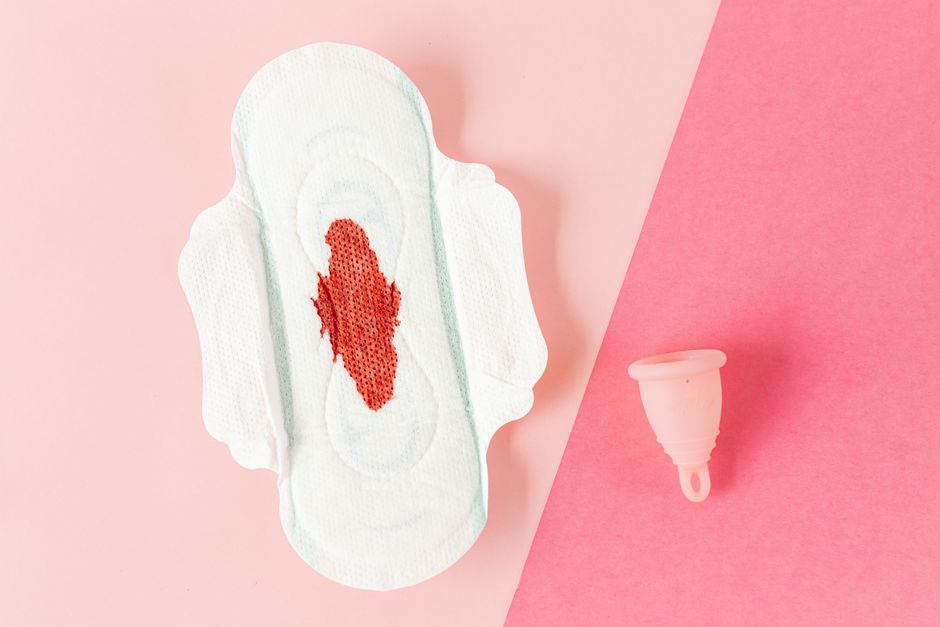
Seeing watery period blood can be confusing. You might wonder if something is wrong. The short answer is that watery menstrual blood usually means your flow is light and contains more cervical fluid or uterine lining fluid than blood. This is often normal, especially at the start or end of your period. But it can also signal a hormone imbalance, low estrogen, or other health changes. Understanding the difference between a normal variation and a sign of a problem is what matters most.
What Does Watery Period Blood Actually Mean?
Period blood is not just blood. It is a mix of blood, tissue from the uterine lining, and cervical mucus. The consistency changes throughout your period. Early on, the blood may be bright red and thin. Later, it often turns darker and thicker. Watery blood is simply a thinner consistency than what you might expect.
When your period blood looks like diluted blood or pale pink fluid, it usually means the blood is mixing with a lot of cervical mucus. This is common when your flow is light. Your body produces more cervical fluid around ovulation, and that fluid can thin out your period blood if you bleed soon after.
Some women also notice watery blood during perimenopause. As estrogen levels drop, the uterine lining becomes thinner. A thinner lining means less tissue to shed, so the flow is lighter and more watery. This is a normal part of hormonal aging for many women.
Is Low Estrogen Causing Your Watery Period?
Estrogen is the hormone that builds up your uterine lining each month. When estrogen is low, the lining does not grow as thick. A thin lining sheds less material, and the blood that comes out is often lighter and more watery.
Low estrogen can happen for several reasons. Perimenopause and menopause are the most common. But it also occurs in women who exercise very intensely, have very low body fat, or have certain medical conditions like hypothalamic amenorrhea. Birth control pills and hormonal IUDs can also thin the lining, leading to watery or light periods.
Research published in the journal Fertility and Sterility has shown that low estrogen levels are linked to lighter menstrual flow. The study found that women with estrogen levels below a certain threshold had significantly thinner endometrial linings. If your periods have become consistently watery and lighter over time, it is worth discussing estrogen levels with your doctor.
Could It Be a Sign of Pregnancy or Miscarriage?
Watery period blood can sometimes be related to pregnancy. Implantation bleeding happens when a fertilized egg attaches to the uterine lining. This bleeding is usually very light, pinkish, and watery. It occurs around the time you would expect your period, so it is easy to mistake for a light period.
If you are pregnant and see watery blood, it could also be a sign of a miscarriage. Miscarriage bleeding often starts light and watery before becoming heavier. The American College of Obstetricians and Gynecologists notes that any bleeding during early pregnancy should be evaluated. If there is any chance you could be pregnant, take a test.
Ectopic pregnancy is another possibility. This is when the embryo implants outside the uterus, usually in a fallopian tube. It can cause light, watery vaginal bleeding along with sharp pain on one side of the lower abdomen. This is a medical emergency. If you have bleeding and one-sided pain, seek care immediately.




What About Infections or STIs?
Infections can change the color, smell, and consistency of your discharge and period blood. Sexually transmitted infections like chlamydia and gonorrhea can cause inflammation in the cervix and uterus. This inflammation may lead to light bleeding or watery discharge that mixes with your period blood.
Pelvic inflammatory disease (PID) is a more serious infection that affects the upper reproductive tract. It can cause irregular bleeding and watery discharge. The CDC estimates that about 2.5 million women in the US have been diagnosed with PID at some point in their lives. Other symptoms include pelvic pain, fever, and pain during sex.
Bacterial vaginosis is not an STI but can cause a thin, watery discharge with a fishy odor. While it does not typically change period blood directly, the discharge can mix with menstrual blood and make it seem thinner. If you notice a strong odor along with watery blood, get tested.
What Does a Normal Menstrual Cycle Look Like?
It helps to know what is typical so you can spot what is not. A normal period lasts between 3 and 7 days. The total blood loss is about 30 to 80 milliliters. That is roughly 2 to 6 tablespoons. Anything less than 30 milliliters is considered a light period.
Your cycle length is measured from the first day of one period to the first day of the next. A normal cycle ranges from 21 to 35 days. Changes in cycle length or flow consistency that last for more than two or three cycles should be checked.
Compare your current periods to your own baseline. If you have always had watery periods, it is likely just your normal. If your periods suddenly changed from thick and red to thin and pale, that is worth investigating. The key is change, not just the consistency itself.
| Period Characteristic | Typical Range | When to See a Doctor |
|---|---|---|
| Length of period | 3-7 days | Bleeding longer than 7 days |
| Total blood loss | 30-80 mL (2-6 Tbsp) | Soaking through a pad or tampon every hour |
| Cycle length | 21-35 days | Cycles shorter than 21 or longer than 35 days |
| Blood consistency | Varies from thin to thick | Sudden change from your normal pattern |
When Should You Actually Worry About Watery Period Blood?
Most of the time, watery period blood is not dangerous. But there are clear signs that mean you should call your doctor. If you are soaking through a pad or tampon every hour for several hours, that is heavy bleeding, not watery bleeding. Heavy bleeding is a separate issue that needs medical attention.
Watch for these specific warning signs:
- Watery blood that comes with severe cramping or pelvic pain
- Bleeding that lasts longer than 7 days
- Periods that come fewer than 21 days apart or more than 35 days apart
- Watery discharge with a foul odor, itching, or burning
- Bleeding after menopause — this is never normal
- Dizziness, fatigue, or shortness of breath that suggests anemia
If you have any of these symptoms, do not wait. Make an appointment with your gynecologist. They can run blood tests to check hormone levels, do an ultrasound to look at your uterine lining, and test for infections. Most causes of watery period blood are treatable once identified.
Frequently Asked Questions
Can stress cause watery period blood?
Yes, stress can disrupt your hormone balance and lead to lighter, thinner periods. High cortisol levels can suppress estrogen production.
Does birth control make period blood watery?
Yes, hormonal birth control thins the uterine lining, which often results in lighter and more watery periods. This is a common and expected effect.
Is watery period blood a sign of low iron?
Not directly. But heavy periods can cause low iron, and very light watery periods are unlikely to cause iron deficiency. If you are anemic, focus on the amount of bleeding, not the consistency.
How can I tell if my watery period is normal?
Compare it to your own history. If your periods have always been watery and you have no other symptoms, it is likely normal. A sudden change is what warrants a checkup.
