
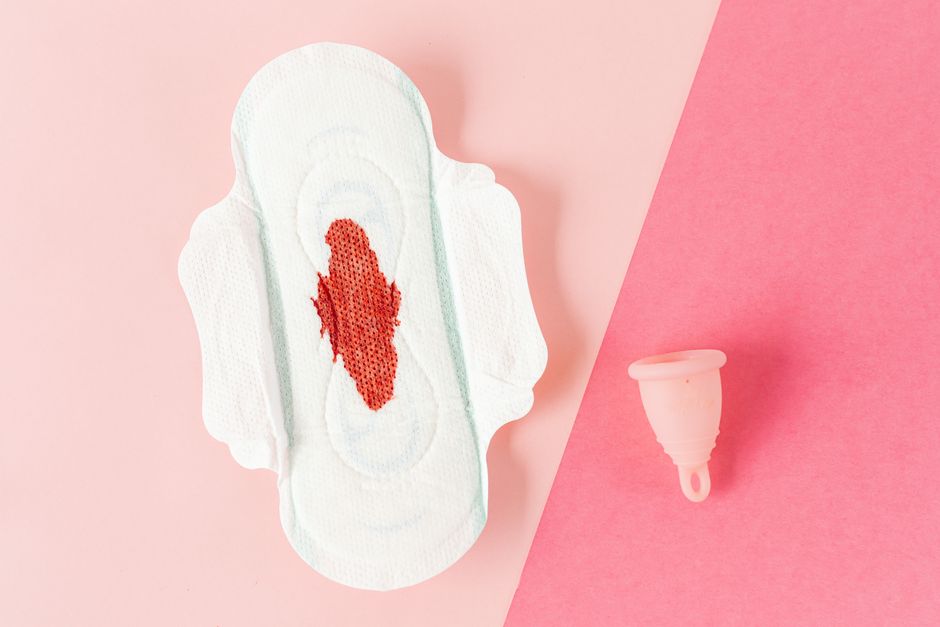
If you have ever felt like your period is a scene from a horror movie, you are not alone. Many people believe they lose cups of blood each month. But the real number is much smaller. The average person loses between 30 and 80 milliliters of blood during their entire period. That is about 2 to 5 tablespoons. For some people, the amount is even less. Understanding this number can help you know what is normal and when to talk to a doctor.
What Is Normal Blood Loss During a Period?
Research shows that a typical period lasts between 4 and 7 days. The total blood loss during that time is usually 30 to 80 milliliters. To put that in perspective, a standard shot glass holds about 44 milliliters. So your entire period blood could fit in one or two shot glasses.
Bleeding heavier than 80 milliliters is considered heavy menstrual bleeding. The medical term for this is menorrhagia. Studies have found that about 10 to 30 percent of people who menstruate experience heavy bleeding at some point. If you are soaking through a pad or tampon every hour for several hours, that is a sign of heavy bleeding.
It is also important to know that period blood is not just blood. It contains tissue from the uterine lining, mucus, and other fluids. This makes the total flow look and feel more than it really is. The actual red blood cell loss is even lower.
How Much Blood Do You Really Lose During Your Period Compared to Common Beliefs?
Social media and old wives tales often make period blood loss seem huge. Some viral posts claim people lose “a cup of blood” each cycle. A standard cup holds 240 milliliters. That is three times the upper end of normal. These claims are not supported by evidence.
In one study published in the journal Fertility and Sterility, researchers measured actual blood loss in over 400 women. They found that the average loss was about 35 milliliters per cycle. Only 10 percent of participants lost more than 80 milliliters. The vast majority lost less than 60 milliliters.
Another common myth is that you lose more blood if you have cramps or clots. Cramps are caused by uterine contractions. They do not directly affect how much blood you lose. Small clots are normal, especially on heavy days. But large clots—bigger than a quarter—can be a sign of heavy bleeding. The amount of blood is what matters, not the presence of cramps or clots alone.
What Causes Heavy Period Bleeding?
Heavy bleeding, or menorrhagia, has several possible causes. Hormonal imbalances are the most common. When estrogen and progesterone are out of balance, the uterine lining can build up too much. This leads to heavier shedding during your period.
Other causes include uterine fibroids, which are noncancerous growths in the uterus. The American College of Obstetricians and Gynecologists reports that fibroids affect up to 70 percent of women by age 50. They can cause heavy bleeding and longer periods. Polyps, which are small growths on the uterine lining, can also cause heavy flow.
Medical conditions like thyroid disorders, bleeding disorders, and endometriosis can lead to heavy periods. Some medications, especially blood thinners, can increase bleeding. If your periods are consistently heavy, it is worth getting checked by a healthcare provider.





How to Tell If Your Blood Loss Is Normal
There is no simple at-home test to measure exact milliliters. But you can track patterns. A good rule of thumb is that a fully soaked regular pad or tampon holds about 5 milliliters of fluid. A super tampon holds about 10 milliliters. If you change your pad or tampon every 4 to 6 hours, your flow is likely normal.
Heavy bleeding is defined by the CDC as soaking through one or more pads or tampons every hour for several consecutive hours. Other signs include needing to double up on protection, passing clots larger than a quarter, and bleeding that lasts longer than 7 days. If any of these apply to you, it is a good idea to talk to a doctor.
One non-obvious point: the color of your blood does not tell you how much you are losing. Bright red blood is common at the start of your period. Darker, brownish blood happens toward the end. Neither color means you are bleeding too much or too little. Focus on volume and duration instead.
What Treatments Are Available for Heavy Bleeding?
If your blood loss is above normal, there are several options. Hormonal birth control is a common first step. Pills, patches, rings, and hormonal IUDs can reduce bleeding by thinning the uterine lining. The hormonal IUD, in particular, can reduce menstrual blood loss by up to 90 percent within a year.
Non-hormonal medications like tranexamic acid are also effective. This drug helps your blood clot more effectively during your period. Studies show it can reduce heavy bleeding by 30 to 50 percent. It is taken only during your period and does not affect fertility.
For more persistent cases, procedures like endometrial ablation or uterine artery embolization may be options. These are typically considered when other treatments have not worked. Surgery, including hysterectomy, is rarely the first choice. A healthcare provider can help you weigh the risks and benefits based on your specific situation.
Common Misconceptions About Period Blood Loss
One widespread belief is that you lose more blood if you exercise during your period. This is not true. Exercise does not increase blood volume. It may actually help reduce cramps and improve mood. Some people report lighter flow after exercise, though evidence is mixed.
Another myth is that heavy periods are always caused by something serious. While heavy bleeding can be a sign of an underlying condition, it is often due to hormonal fluctuations that are not dangerous. Many people have heavy periods without any underlying disease. That said, it is still worth discussing with a doctor to rule out treatable causes.
Some people think that using a menstrual cup makes you bleed more because you see the collected blood. But a cup simply catches what is already there. It does not change your actual blood loss. The same amount of blood leaves your body whether you use a cup, pad, or tampon.
When to See a Doctor About Your Period Blood Loss
You should see a doctor if your periods interfere with your daily life. This includes missing work or school because of heavy bleeding, feeling exhausted or dizzy during your period, or having to change protection every hour. Anemia is a common result of heavy bleeding. Symptoms include fatigue, pale skin, and shortness of breath.
The CDC recommends seeing a healthcare provider if your periods last longer than 7 days or if you pass clots larger than a quarter. You should also seek care if you have bleeding between periods or after menopause. These can be signs of other health issues that need attention.
It is also important to note that period patterns can change over time. What is normal for you at age 30 may not be normal at age 45. Tracking your cycle with an app or a simple calendar can help you notice changes. If something feels off, trust your instincts and get checked.
Frequently Asked Questions
How many tablespoons of blood do you lose during your period?
Most people lose between 2 and 5 tablespoons of blood during their entire period. That is about 30 to 80 milliliters total.
Is losing 100 ml of blood during a period normal?
No, losing 100 milliliters is above the normal range. Heavy menstrual bleeding is defined as losing more than 80 milliliters per cycle.
Can stress cause heavier period blood loss?
Yes, stress can affect hormone levels and sometimes lead to heavier or irregular bleeding. The effect varies from person to person.
How can I measure my period blood loss at home?
You cannot measure exact milliliters at home, but you can track how often you change pads or tampons. Soaking through one every hour is a sign of heavy bleeding.
