
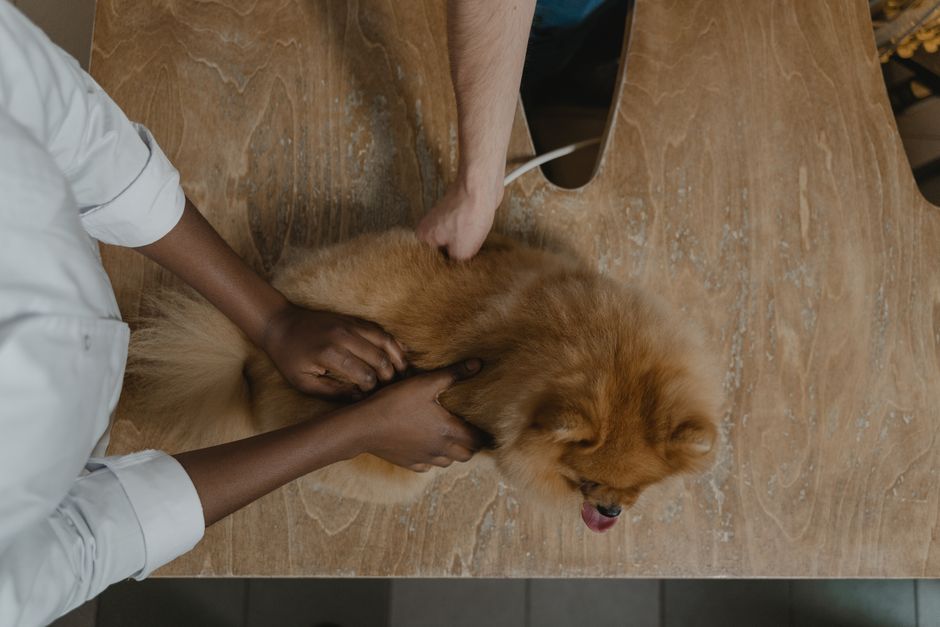
Bloat in dogs is a life-threatening condition where the stomach fills with gas, fluid, or foam and then twists on itself. This twisting, called gastric dilatation-volvulus (GDV), cuts off blood flow to the stomach and other organs. Without emergency treatment, a dog can die within hours. The exact cause is not fully understood, but research points to a combination of anatomy, diet, behavior, and genetics as key factors.
What Exactly Happens During a Bloat Episode?
Bloat happens in two stages. First, the stomach fills with gas and expands. This is gastric dilatation. The stretched stomach puts pressure on major blood vessels and the diaphragm, making it hard for your dog to breathe and for blood to return to the heart.
Second, the distended stomach twists on its axis. This is volvulus. The twist traps gas and fluid inside and cuts off blood supply completely. Without blood flow, the stomach tissue starts to die. The dog goes into shock fast.
Time is everything here. A dog showing signs of bloat needs a vet immediately. Waiting to “see if it passes” can be fatal.
What Are the Early Warning Signs of Bloat?
The signs can come on fast. A dog may act restless, pace, or seem unable to get comfortable. They might drool excessively or try to vomit without bringing anything up. The belly may look swollen and feel tight like a drum.
Other signs include heavy panting, a pale or gray gum color, and a weak pulse. The dog may stand with their front legs down and rear end up in a “prayer position.” This is a sign of belly pain.
Not every dog shows all these signs. Some dogs collapse without much warning. If you suspect bloat, do not wait. Call your vet or an emergency hospital on the way.
What Are the Main Risk Factors for Bloat?
Research has identified several factors that raise a dog’s risk of bloat. The strongest risk factor is breed. Deep-chested dogs are at the highest risk. This includes Great Danes, German Shepherds, Standard Poodles, Doberman Pinschers, Irish Setters, and Labrador Retrievers. A 2017 study in the Journal of Veterinary Emergency and Critical Care confirmed that breed and body conformation are major predictors.
Age also matters. Bloat is more common in older dogs, typically those over seven years old. However, it can happen at any age.
Family history plays a role. Dogs with a first-degree relative who had bloat are more likely to develop it themselves. This suggests a genetic component.
Body weight is another factor. Dogs that are underweight have a higher risk than dogs at a normal weight. This may be because lean dogs have more room in their abdomen for the stomach to move.





Does Diet and Feeding Style Cause Bloat in Dogs?
This is where things get complicated. Some studies suggest that eating one large meal a day raises the risk of bloat. A 2000 study in the Journal of the American Veterinary Medical Association found that dogs fed one meal daily had twice the risk of those fed two meals. Eating too fast also appears to increase risk.
Raised food bowls were once thought to help prevent bloat. Current research suggests the opposite. A 2017 study found that raised bowls may actually increase the risk of bloat in large and giant breed dogs. The theory is that a raised bowl changes how a dog swallows, causing them to gulp more air.
What about exercise after eating? Many vets recommend avoiding vigorous activity right after a meal. The idea is that a full stomach is more likely to twist when the dog runs or jumps. Strong evidence for this is limited, but it is a sensible precaution.
As of 2026, current research suggests that diet alone is unlikely to cause bloat. It is more about how and when a dog eats combined with other risk factors.
How Is Bloat Treated by Veterinarians?
Bloat is a medical emergency that requires immediate veterinary care. The first step is to stabilize the dog. This usually means IV fluids to treat shock, pain medication, and decompression of the stomach. The vet may pass a tube down the throat to release gas or use a large needle to puncture the stomach from the outside.
Once the dog is stable, surgery is needed. The vet will untwist the stomach and check for dead tissue. Any damaged part of the stomach must be removed. The vet will also perform a procedure called gastropexy, where they stitch the stomach to the body wall. This prevents the stomach from twisting again in the future.
Gastropexy does not stop the stomach from filling with gas. It only stops the twist. A dog can still get bloat and need emergency care, but the chance of survival is much higher if the stomach cannot twist.
Recovery from bloat surgery takes time. Dogs usually stay in the hospital for a few days. Some dogs develop complications like heart arrhythmias or infection. Even with treatment, the mortality rate for bloat is estimated at 15 to 30 percent.
Can You Prevent Bloat in Your Dog?
Prevention is not guaranteed, but you can lower the risk. Feeding two or three smaller meals per day instead of one large meal is a good start. Use a slow feeder bowl if your dog inhales food. Avoid exercise for at least one hour after meals.
For high-risk breeds, many owners choose to have a prophylactic gastropexy. This is a preventive surgery done before bloat ever happens. It is often done at the same time as spaying or neutering. The procedure is safe and effective at preventing the twist.
Some people try home remedies like simethicone or gas relief drops. There is no evidence these help with bloat. Bloat is not simple gas. It is a mechanical problem with the stomach. Do not rely on home treatments. They waste time.
Know your dog’s normal behavior. If something seems off, trust your gut. Bloat can look like mild discomfort at first. Acting fast is the single most important thing you can do.
Common Misconceptions About Bloat
One common myth is that bloat only happens in large breeds. While large and giant breeds are at highest risk, any dog can bloat. Small breeds like Dachshunds and Chihuahuas have been reported with bloat, though it is rare.
Another myth is that bloat is caused by stress or anxiety. Stress may contribute to some digestive issues, but there is no strong evidence linking it directly to bloat. The mechanism is physical, not emotional.
Some people believe that if a dog has bloat once, it will happen again. This is true only if the stomach is not surgically tacked. Without gastropexy, the recurrence rate is high. With gastropexy, the risk drops significantly.
There is also a belief that vomiting foam is always bloat. Dogs vomit foam for many reasons, including an empty stomach, acid reflux, or kennel cough. Bloat usually involves unproductive retching, not actual vomiting. If your dog vomits foam but seems fine otherwise, it is probably not bloat. But if they are retching with nothing coming up, that is a red flag.
Frequently Asked Questions About Causes Bloat in Dogs
Frequently Asked Questions About causes bloat in dogs
What is the main cause of bloat in dogs?
The exact cause is unknown, but it involves the stomach filling with gas and then twisting on itself. Risk factors include breed, age, genetics, and eating habits.
Can bloat in dogs be prevented?
You can lower the risk by feeding smaller meals, using a slow feeder, and avoiding exercise after eating. Preventive surgery called gastropexy is the most effective option for high-risk breeds.
How quickly does bloat kill a dog?
Bloat can become fatal within hours if untreated. The stomach twist cuts off blood flow to organs, leading to shock and tissue death.
What should I do if I think my dog has bloat?
Go to a veterinarian or emergency animal hospital immediately. Do not wait or try home remedies. Time is critical for survival.
