

Thermal styling means using heat tools like flat irons, curling wands, and blow dryers to change your hair’s shape. The heat breaks hydrogen bonds in your hair temporarily, letting you reshape it. When the hair cools, it holds the new shape. But repeated high heat can also damage the protein structure of hair, leading to dryness, breakage, and split ends.
What Actually Happens to Hair When You Apply Heat?
Hair is made mostly of a protein called keratin. These protein chains are held together by different types of bonds. Hydrogen bonds are weak and break easily with water or low heat. That is why wet hair can be shaped and then dries into a new form. Disulfide bonds are much stronger. They give hair its natural curl or wave pattern and require higher heat to break temporarily.
When you use a flat iron set above 350°F (about 175°C), you are breaking both hydrogen and disulfide bonds. The hair becomes soft and moldable. As it cools, new bonds form in the shape you created. This is how a straightening or curling treatment works.
The problem is that heat does not only break bonds. It also evaporates water from inside the hair shaft. Hair that loses too much water becomes brittle. Studies have found that hair exposed to temperatures above 400°F (about 200°C) shows visible damage under a microscope. The outer layer, called the cuticle, lifts up and cracks. Over time, this leads to permanent damage.
How Does Heat Damage Hair Over Time?
Heat damage is cumulative. One session with a curling iron at a moderate temperature may not cause obvious harm. But doing this daily or weekly without protection adds up. The cuticle layer gets rougher with each heat exposure. Once the cuticle is damaged, the inner cortex of the hair is exposed. That is where the real trouble starts.
The cortex holds the hair’s strength and elasticity. When it loses moisture and protein, hair becomes weak. It stretches more before breaking. You may notice your hair snapping off at the ends or feeling like straw. Split ends appear because the cuticle can no longer hold the hair fibers together.
Research shows that hair with existing damage, such as from chemical treatments or bleach, is more vulnerable to heat. So if you color your hair and also use heat tools regularly, the risk of breakage increases. A 2011 study in the Journal of Cosmetic Science found that repeated flat ironing at 210°C caused significant loss of hair strength after just five sessions.
What Is the Safest Temperature for Thermal Styling?
There is no single safe temperature for everyone. It depends on your hair type, thickness, and condition. Fine or damaged hair needs lower heat. Coarse or thick hair can handle higher temperatures but still has limits.
Here is a general guide based on what evidence and stylists agree on:
| Hair Type | Recommended Temperature Range |
|---|---|
| Fine, thin, or damaged hair | 250°F – 300°F (120°C – 150°C) |
| Normal, medium-thickness hair | 300°F – 350°F (150°C – 175°C) |
| Thick, coarse, or curly hair | 350°F – 400°F (175°C – 200°C) |
Most high-quality styling tools allow you to set a precise temperature. If yours does not, consider replacing it. Tools that only have “low, medium, high” settings are harder to control. As of 2026, many new tools also use smart sensors that adjust heat based on hair moisture. These may reduce damage, though long-term studies are still limited.




Do Heat Protectants Actually Work?
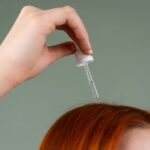
Yes, but not all protectants are equal. A good heat protectant works by forming a thin barrier on the hair shaft. This barrier helps distribute heat more evenly and reduces the peak temperature that reaches the hair. Some products also contain ingredients that slow moisture loss.
Studies have tested different types of heat protectants. Silicone-based formulas, like those with dimethicone or cyclomethicone, tend to work well. They coat the hair and help heat slide across the surface rather than concentrating in one spot. Water-based sprays with polymers can also help, but they may evaporate too quickly if the heat is very high.
What many people do not realize is that heat protectants do not make heat safe. They reduce damage but do not prevent it entirely. If you use a flat iron at 450°F, a protectant will help, but your hair will still be damaged. The best approach is to use the lowest effective temperature and a protectant together.
Some natural oils like argan or coconut oil are sometimes used as protectants. Current research suggests they offer some protection but can also cause uneven heating if applied too thickly. They are better as pre-wash treatments than as direct heat protectants.
What Are the Common Myths About Thermal Styling?
There are several widely repeated claims about heat styling that do not hold up to evidence.
Myth: Cold water rinses seal the cuticle after heat styling. Cold water can help smooth the cuticle temporarily, but it does not repair heat damage. Once the protein structure is altered, no rinse can fix it. Only new hair growth will replace damaged hair.
Myth: Higher heat means longer-lasting styles. Not really. The style holds because bonds reform in the new shape. Going above 400°F does not make the style last much longer than using 360°F. It just increases damage. The hold time depends more on hair texture and humidity than on peak temperature.
Myth: Air drying is always better than blow drying. This is more complicated than most people think. A 2011 study in the International Journal of Trichology found that air drying can cause more damage to the hair cuticle than blow drying on low heat. When hair swells with water for hours, the cuticle can lift and crack. Brief, moderate heat drying may actually be gentler than leaving hair wet for a long time.
Myth: You cannot style curly hair without high heat. Many people with curly hair assume they need a flat iron at 400°F to straighten. But lower temperatures combined with sectioning and slower passes can work. It takes more time but causes less damage. Some people report good results with temperatures as low as 300°F for fine curls.
How Can You Reduce Damage From Thermal Styling?
You can take practical steps to protect your hair without giving up styling tools entirely. The goal is to manage the trade-off between the look you want and the condition of your hair.
- Use a heat protectant every time. Apply it to damp or dry hair before any heat tool touches it. Let it dry fully before styling.
- Keep the tool moving. Never hold a flat iron or curling wand in one spot for more than a few seconds. Concentrated heat causes the most damage.
- Limit frequency. Try to style with heat no more than two to three times per week. On other days, use heatless methods like braiding or rollers.
- Lower the temperature. Start at the lowest setting that works for your hair type. Only increase if the style does not hold.
- Deep condition regularly. Use a protein or moisture mask once a week. This helps replace some of the lost protein and water, though it cannot reverse structural damage.
- Trim split ends. Damaged ends cannot be repaired. Cutting them off prevents breakage from traveling up the hair shaft.
Some people also use bond-repairing treatments that contain ingredients like olaplex. These products help reform broken disulfide bonds. They are not a cure-all, but evidence suggests they can reduce visible damage when used alongside heat styling.
Frequently Asked Questions
Does thermal styling permanently change hair structure?
Yes, repeated high heat can permanently alter the protein structure of hair, leading to irreversible damage that only new growth can replace.
Can I use a flat iron on wet hair?
No, using a flat iron on wet hair causes severe damage because water inside the shaft turns to steam and explodes the cuticle open.
Is it better to blow dry hair before using a flat iron?
Yes, hair should be completely dry before flat ironing to avoid steam damage and ensure even heat distribution.
How often should I replace my heat styling tools?
Replace tools every two to three years or sooner if the plates become uneven or the temperature settings stop working accurately.
