
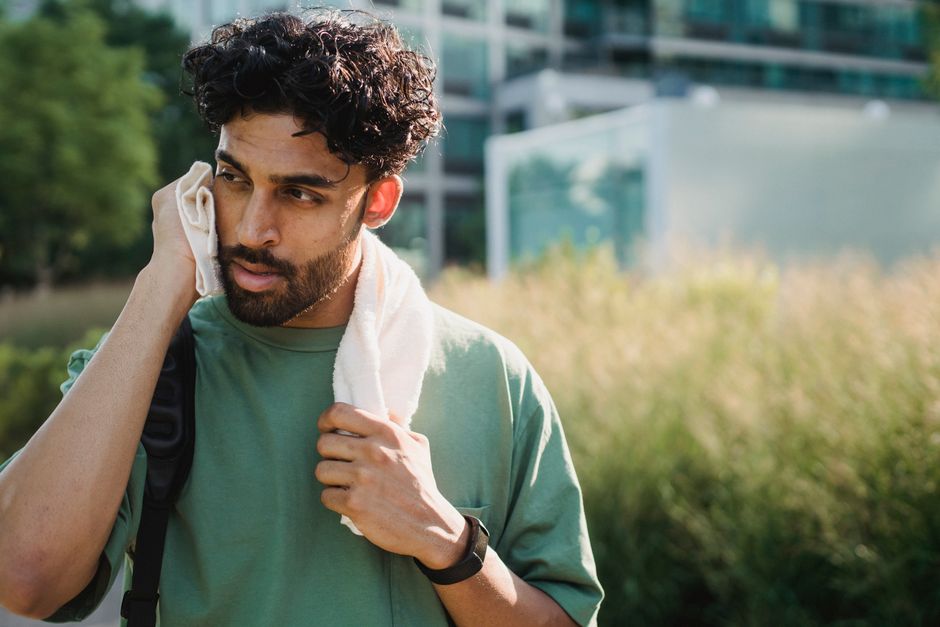
Sweat can absolutely affect hair dye, but it does not always ruin it. The real issue is timing. Freshly dyed hair is most vulnerable, while color that has settled for a week or more handles sweat far better. Understanding how sweat interacts with dye chemistry helps you protect your color without giving up your workouts.
How Does Sweat Affect Hair Dye?
Sweat is mostly water, but it also contains salt, urea, and lactic acid. These components can pull color molecules out of the hair shaft. This is especially true for semi-permanent and demi-permanent dyes, which sit closer to the surface of the hair.
Permanent color penetrates deeper into the hair cortex. That makes it more resistant to sweat. Still, repeated heavy sweating can gradually fade any color, especially at the hairline, nape of the neck, and around the temples where sweat pools most.
The bigger problem is not the sweat itself. It is what sweat does to the hair cuticle. When sweat dries on the hair, it leaves behind salt and minerals. These residues lift the cuticle, allowing color molecules to escape more easily. Over time, this makes color look dull and washed out.
How Long After Dyeing Can You Sweat?
Wait at least 48 hours before heavy sweating after a color treatment. This is the most commonly recommended window in clinical practice. The hair cuticle needs time to close and seal in the color molecules.
Some stylists recommend waiting a full 72 hours. This is especially true for fashion colors, pastels, or gray coverage, which are more prone to fading. If you had a toner or gloss applied, give it the full three days when possible.
Sweating lightly before 48 hours — like a short walk on a mild day — is usually fine. The risk comes from intense exercise that produces heavy, prolonged sweating. If your scalp gets soaked, the moisture can push fresh color out before it has bonded fully.
Does Sweat Cause Hair Dye to Bleed or Stain?
In the first few days after dyeing, sweat can carry excess pigment away from the hair. This is why some people notice colored sweat stains on towels, pillowcases, or workout headbands. This is normal and temporary. It means the dye has not fully set.
After the initial window, visible bleeding is uncommon with permanent color. Semi-permanent and temporary dyes can still bleed slightly when you sweat heavily, especially in humid conditions. The pigment is not chemically bound to the hair, so moisture can wash it away.
If you see color on your skin or clothing during workouts weeks after dyeing, that is not normal. It may mean the dye was applied incorrectly, or the hair was over-processed. A professional colorist can assess whether the dye has properly adhered.


How to Protect Hair Color Before and After Workouts
Protecting your color starts before you even step into the gym. Wet your hair with plain water before exercising. Wet hair absorbs less sweat because the hair shaft is already saturated. This simple step reduces how much salt and urea penetrate the cuticle.
Use a leave-in conditioner or a lightweight hair oil before workouts. These create a barrier between your hair and sweat. Look for products labeled color-safe or color-protecting. Apply mainly to the mid-lengths and ends, not the scalp, to avoid buildup.
Wearing a sweatband or a moisture-wicking headband helps keep sweat off your hairline and temples. For longer hair, a loose braid or ponytail keeps hair from rubbing against your neck and shoulders, where friction and sweat combine to cause faster fading.
After your workout, rinse your hair as soon as possible. Do not wait hours. Sweat dries and leaves mineral deposits that dull color. A quick rinse with cool water removes most of the sweat before it can do damage.
What Is the Best Way to Wash Sweaty Hair Without Stripping Color?
Shampooing every day strips color faster than sweat alone. If you workout daily, try to limit shampoo to two or three times per week. On other days, rinse with water and condition only.
When you do shampoo, use a sulfate-free formula. Sulfates are strong detergents that remove oil and dirt effectively, but they also pull color molecules out of the hair. Sulfate-free shampoos clean gently and preserve color longer.
Wash with lukewarm or cool water. Hot water opens the cuticle, which accelerates color loss. Cool water helps the cuticle lie flat, keeping color molecules trapped inside.
Consider a co-wash, which is a cleansing conditioner. It cleans lightly without the stripping power of traditional shampoo. This works well for people who sweat frequently and need to rinse often.
Can You Prevent Sweat Damage With Dry Shampoo?
Dry shampoo is a useful tool, but it does not protect color from sweat. It absorbs oil at the roots, which can extend time between washes. That indirect benefit helps color last longer because you shampoo less often.
However, dry shampoo does not stop sweat from reaching the hair shaft. It also does not remove salt or mineral residues once sweat has dried. If you rely on dry shampoo after workouts, you still need to rinse your hair with water.
Some color-safe dry shampoos contain UV filters and antioxidants. These ingredients may reduce environmental fading, but no clinical evidence confirms they block sweat damage. Treat them as a convenience, not a protective shield.
Does Sweat Affect Hair Dye How To Protect Color: Long-Term Strategy
Consistency matters more than any single product. The people who keep color vibrant for months are the ones who protect it every time they exercise, not just occasionally.
Build a routine. Wet hair before workouts. Use a barrier product. Rinse promptly afterward. Shampoo sparingly with color-safe products. This sequence addresses the main ways sweat damages dye.
Also consider your environment. Hot, humid climates cause more sweating and more color fading. If you live somewhere warm, you may need to increase the frequency of gloss treatments or touch-ups. Some research suggests UV exposure accelerates color fading as well, so wear a hat when exercising outdoors.
Can Certain Hair Dyes Handle Sweat Better Than Others?
Permanent and demi-permanent dyes resist sweat better than semi-permanent or temporary formulas. The pigment molecules are larger and penetrate deeper into the hair cortex. This makes them harder to wash out with moisture alone.
Demi-permanent color is a good middle ground. It penetrates more than semi-permanent but less than permanent. It fades gradually and evenly, which some people prefer. It still requires the same 48-hour waiting period after application.
Temporary dyes and color-depositing conditioners are the most vulnerable. They coat the surface of the hair, so sweat can rinse them away quickly. If you use these products, expect to reapply them frequently, especially in summer.
Frequently Asked Questions
How soon after dyeing hair can I exercise?
Wait at least 48 hours before heavy sweating. Light activity that does not soak your scalp is generally fine sooner.
Does sweat make hair color fade faster?
Yes, especially in the first week after dyeing. Repeated heavy sweating can also fade color over time by lifting the cuticle and allowing pigment to escape.
Can I protect hair color by rinsing with water before working out?
Yes. Wetting hair with plain water before exercise reduces how much sweat the hair absorbs, which helps preserve color.
Is it safe to use dry shampoo on sweaty hair after a workout?
Dry shampoo can absorb oil and extend time between washes, but it does not remove sweat or salt residue. Rinse with water first when possible.
Protecting your hair color from sweat does not require giving up exercise. It requires understanding how moisture interacts with dye and building simple habits around your workouts. The 48-hour waiting rule, a quick pre-workout rinse, and prompt post-workout care will preserve your color far longer than any expensive product alone.
