
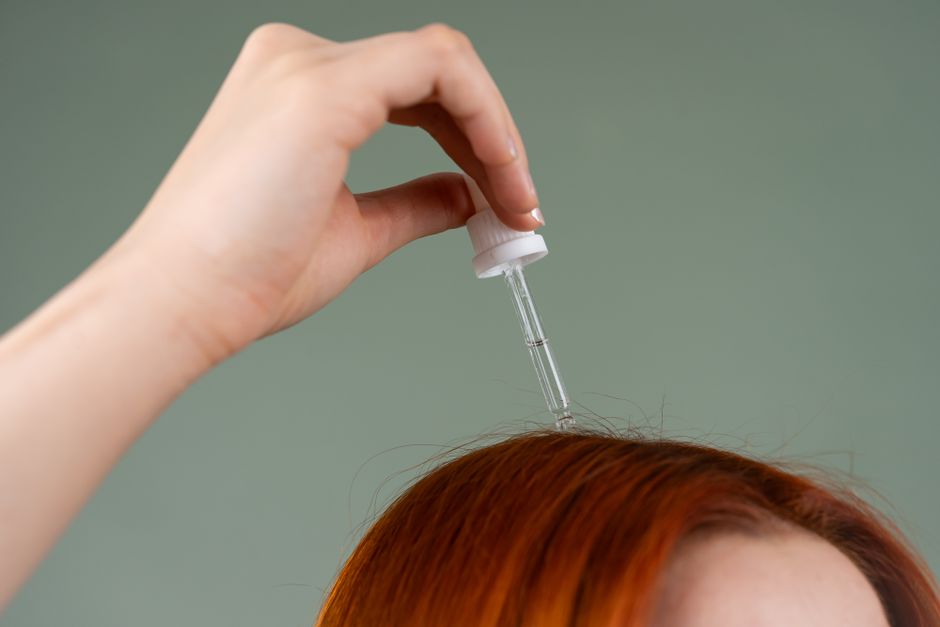
Hair loss treatments fall into two categories: therapies with strong clinical backing and products that rely mostly on hope. Minoxidil and finasteride consistently show measurable regrowth in controlled studies, while most over-the-counter shampoos and supplements have limited or no clinical support. Understanding what actually works means looking past marketing claims and into peer-reviewed evidence.
Most hair loss in adults stems from androgenetic alopecia, a genetic condition where hair follicles gradually shrink in response to hormones. This affects roughly 50 million men and 30 million women in the United States alone. The condition is not reversible through diet changes or scalp massage, though specific medications can slow or partially reverse follicle miniaturization.
Does a Hair Loss Treatment Actually Work?
Minoxidil and finasteride have the strongest evidence for treating male pattern baldness. Minoxidil works by prolonging the growth phase of hair follicles and improving blood flow to the scalp. Clinical trials show that about 40% of men using 5% minoxidil twice daily see moderate to dense regrowth after four months. Results plateau around one year of use.
Finasteride blocks the enzyme that converts testosterone to dihydrotestosterone, the hormone responsible for shrinking hair follicles. Studies involving thousands of men demonstrate that finasteride stops further hair loss in 83% of users and produces visible regrowth in 66% after two years. Both treatments require ongoing use. Stopping either one typically results in renewed hair loss within months.
Women have fewer proven options. Minoxidil at 2% concentration is FDA-approved for female pattern hair loss and shows modest improvement in roughly one-third of users. Finasteride is not recommended for women of childbearing age due to birth defect risks. Spironolactone, a medication that blocks androgen receptors, shows promise in some studies but is used off-label and requires medical supervision.
What Does Research on Hair Loss Treatment Show?
As of 2026, low-level laser therapy has FDA clearance for hair growth based on trials showing statistically significant increases in hair density. The effect size is smaller than with minoxidil or finasteride, and the mechanism remains partly unclear. Devices range from handheld combs to helmet-style units used several times per week.
Platelet-rich plasma injections involve drawing a patient’s blood, concentrating the platelets, and injecting the mixture into the scalp. Some studies report increased hair count and thickness, but research quality varies widely. A 2023 meta-analysis found modest improvement compared to placebo, though results were inconsistent across trials. The procedure is expensive and not covered by insurance for cosmetic hair loss.
Microneedling creates tiny punctures in the scalp to stimulate collagen production and enhance absorption of topical treatments. Several small studies suggest that combining microneedling with minoxidil produces better results than minoxidil alone. The evidence is promising but still emerging, with most trials involving fewer than 100 participants.
What Are the Side Effects of Hair Loss Treatments?
Minoxidil commonly causes scalp irritation, dryness, and flaking. Some users experience unwanted facial hair growth, particularly women, because the solution can drip onto the forehead or cheeks during application. Rarely, minoxidil triggers temporary shedding in the first few weeks as weakened hairs fall out to make room for new growth. This is expected and usually resolves.
Finasteride’s side effect profile generates more debate. Clinical trials report sexual side effects—reduced libido, erectile dysfunction, or decreased ejaculate volume—in 1-2% of users. A smaller subset reports these symptoms persisting after stopping the medication, though the actual incidence of persistent effects remains disputed. Mental health concerns including depression and anxiety have been reported anecdotally but are not conclusively linked in large controlled studies.
Platelet-rich plasma and microneedling carry minimal systemic risk but can cause temporary scalp soreness, redness, or minor bleeding. Infection risk exists with any procedure that breaks the skin, though serious complications are rare when performed in sterile conditions.





What Hair Loss Treatments Should You Avoid?
Most supplements marketed for hair growth lack clinical support. Biotin is widely sold for hair health, but deficiency is uncommon in developed countries, and supplementation only helps if you are actually deficient. Studies testing biotin in people with normal levels show no improvement in hair growth. The supplement can also interfere with certain lab tests, producing falsely abnormal results.
Caffeine shampoos claim to stimulate hair follicles based on in vitro studies showing that caffeine can extend the growth phase of isolated hair cells. Real-world evidence is weak. The few human trials available show minimal effect, and the concentration and contact time needed to replicate lab results likely exceed what occurs during a typical shampoo routine.
Saw palmetto, a plant extract, is sometimes promoted as a natural alternative to finasteride. A handful of small studies suggest possible benefit, but the evidence is far weaker than for prescription options. One trial of 100 men found modest improvement, but methodology was limited and results have not been replicated in larger rigorous studies.
| Treatment | Evidence Level | Typical Results |
|---|---|---|
| Minoxidil 5% | Strong | 40% see regrowth after 4 months |
| Finasteride | Strong | 66% see regrowth after 2 years |
| Low-level laser | Moderate | Modest density increase in some users |
| Platelet-rich plasma | Emerging | Inconsistent results across studies |
| Biotin supplements | Weak | No effect unless deficient |
How Do You Choose the Right Hair Loss Treatment?
Start by identifying the type of hair loss. Androgenetic alopecia causes gradual thinning in predictable patterns—receding hairline and crown thinning in men, diffuse thinning along the part in women. Sudden patchy hair loss, scalp scaling, or hair that breaks off rather than falls out from the root suggests other conditions that require different treatment.
For early male pattern baldness, minoxidil alone may be sufficient if the main goal is slowing loss rather than achieving significant regrowth. Adding finasteride increases the chance of regrowth but introduces the possibility of side effects. Some men use both together, as they work through different mechanisms and can have additive effects.
Women should start with 2% minoxidil and consider medical evaluation if no improvement occurs after six months. Undiagnosed thyroid conditions, iron deficiency, or hormonal imbalances can cause or worsen hair loss and may respond better to treating the underlying issue. Blood tests can rule out these factors before committing to long-term topical treatment.
What Are the Practical Steps for Using Hair Loss Treatment?
Consistency matters more than most people expect. Minoxidil must be applied to a dry scalp twice daily. Skipping applications or applying it to wet hair reduces effectiveness. The medication takes at least four months to show results, and many users quit before reaching that point. Set a phone reminder if needed.
Finasteride is taken as a daily pill, typically 1 mg for hair loss. Some research suggests that lower doses or less frequent dosing may reduce side effect risk while maintaining benefit, but this approach is not yet standard. Taking the medication at the same time each day helps maintain stable blood levels.
Track progress with photos taken in consistent lighting every eight weeks. Hair growth is gradual, and day-to-day changes are imperceptible. Without photos, it is easy to underestimate improvement or give up prematurely. Focus on hair density and thickness rather than expecting a full reversal to teenage hairline.
- Apply minoxidil to dry scalp twice daily for at least four months before evaluating results
- Take finasteride at the same time each day to maintain consistent blood levels
- Photograph your scalp every eight weeks in identical lighting to track subtle changes
- Avoid trying multiple treatments simultaneously so you know what is actually working
- Expect maintenance rather than dramatic regrowth in most cases
When Should You See a Doctor About Hair Loss?
Sudden or rapid hair loss warrants medical evaluation. So does hair loss accompanied by scalp pain, redness, or scaling. These symptoms can indicate autoimmune conditions like alopecia areata, infections, or inflammatory scalp diseases that require prescription treatment beyond over-the-counter options.
Women experiencing hair loss should consider medical evaluation earlier than men. Female pattern hair loss can overlap with other conditions that cause shedding, including thyroid disorders, polycystic ovary syndrome, and iron deficiency anemia. Blood work can identify these issues, which may respond better to targeted treatment than to minoxidil alone.
If you are considering finasteride, discussing potential side effects with a physician helps set realistic expectations. Some doctors order baseline hormone levels or other tests before prescribing, though this is not universally standard. The conversation also provides an opportunity to confirm that hair loss is truly androgenetic and not something else.
Frequently Asked Questions About a Hair Loss Treatment
Can hair loss treatment completely restore a receding hairline?
Most treatments slow further loss and produce modest regrowth rather than full restoration. Minoxidil and finasteride work best on the crown and are less effective at regrowing a receding frontal hairline.
How long does it take to see results from hair loss treatment?
Minoxidil typically requires four months of consistent use before visible improvement. Finasteride may take six to twelve months to show measurable regrowth in most users.
Do natural remedies work as well as prescription hair loss treatments?
As of 2026, no natural remedy has demonstrated effectiveness comparable to minoxidil or finasteride in controlled clinical trials. Most lack rigorous evidence for hair regrowth.
Will hair loss return if you stop treatment?
Yes, stopping minoxidil or finasteride typically results in renewed hair loss within three to six months. Both treatments maintain results only with continued use.
