
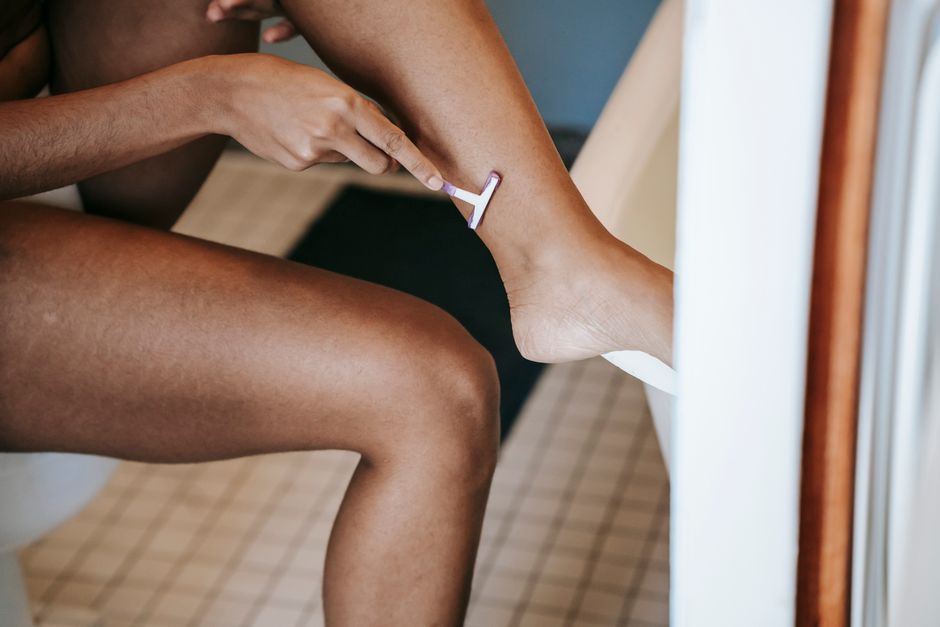
Shaving pubic hair does not have to end in a painful, itchy rash of razor bumps. The key is to prepare the skin and hair properly before the razor ever touches it, use the right technique during the shave, and care for the area carefully afterward. Most razor bumps are caused by shaving errors — dull blades, dry skin, and shaving against the grain — so fixing those mistakes prevents most of the irritation.
What Causes Razor Bumps In The Pubic Area?
Razor bumps are not the same as razor burn. Razor burn is surface irritation that feels like a mild sunburn. Razor bumps are ingrown hairs. When a sharp hair is cut at an angle, it can curl back and grow into the skin instead of up and out. The body treats the trapped hair like a foreign object, which causes redness, swelling, and sometimes infection.
The pubic area is especially prone to this problem. Pubic hair is naturally coarser and curlier than scalp hair. Curly hair is more likely to bend backward into the skin after being cut. The skin in the pubic region is also thinner and more sensitive than skin on the legs or arms, so it reacts more dramatically to friction.
Shaving against the direction of hair growth makes the problem worse. When you shave against the grain, the razor cuts the hair very short and leaves a sharp tip. That sharp tip easily pierces the skin as the hair tries to grow out. Shaving with the grain leaves a blunter edge and gives the hair a better chance of exiting the skin cleanly.
How To Prepare The Skin Before Shaving
Preparation starts at least a day before you shave. Gently exfoliate the area with a soft washcloth or a mild scrub. This removes dead skin cells that can trap hairs under the surface. Do not scrub hard. The goal is to clear the path for hairs to grow out, not to irritate the skin.
Trim long hair first. If pubic hair is longer than about a quarter of an inch, the razor will clog and drag. Use a clean pair of beard trimmers or scissors with rounded tips to shorten the hair. Trimming first also lets you see the direction the hair grows, which helps you plan your shave.
Shave at the end of a warm shower or bath. Heat and moisture soften the hair shaft and open the pores. Soft hair cuts more cleanly and is less likely to break off at an angle. Shaving dry hair is one of the fastest ways to guarantee razor bumps.
Use a thick, slick shaving cream or gel designed for sensitive skin. Plain soap does not provide enough lubrication. Look for a product without heavy fragrances or alcohol, since both can dry out the skin and increase irritation. Some people find that hair conditioner works well as a shaving cream for this area, but any slippery product that keeps the razor gliding is acceptable.
The Correct Shaving Technique For Pubic Hair
Use a fresh, sharp razor with a small head. Multi-blade razors are fine, but the blade must be new or nearly new. A dull blade pulls at the hair instead of cutting it cleanly, which causes irritation and increases the chance of ingrown hairs. Replace the razor after every two or three uses in this area.
Shave in the direction of hair growth for the first pass. This means moving the razor downward if your hair grows downward. The first pass will not give you a perfectly smooth shave, but that is acceptable. Getting a close shave on the first pass is exactly what causes razor bumps.
If you want a closer shave, do a second pass sideways across the grain, not against it. Shaving across the grain removes more hair while still leaving enough length for the hair to grow out properly. Avoid shaving directly against the grain in the pubic area. The risk of ingrown hairs increases significantly with every against-the-grain pass.
Rinse the razor after every stroke. Pubic hair is thick and can clog the blades quickly. A clogged razor does not cut well and drags across the skin. Use short, light strokes. Do not press down. Let the weight of the razor do the work.
Stretch the skin flat with your free hand. Shaving over wrinkled or folded skin increases the chance of nicks and uneven cuts. Pull the skin taut in the area you are shaving, then glide the razor over that flat surface.





Aftercare That Prevents Razor Bumps
Rinse the area with cool water after shaving. Cool water closes the pores and calms the skin. Pat the area dry with a clean towel. Do not rub. Rubbing freshly shaved skin creates friction that can trigger irritation.
Apply a gentle, alcohol-free moisturizer or a product with aloe vera. Keeping the skin hydrated helps hairs grow out straight instead of curling under. Avoid heavy oils or petroleum-based products that can clog pores and trap hairs beneath the surface.
Do not wear tight clothing immediately after shaving. Tight underwear or pants rub against the freshly shaved skin and push hairs back into the follicles. Wear loose cotton underwear for the rest of the day. Cotton allows the skin to breathe and reduces friction.
Do not touch or scratch the area. Your hands carry bacteria that can infect irritated follicles. If the area itches, apply a cool compress instead of scratching. Scratching damages the skin and makes ingrown hairs more likely.
What To Do If You Already Have Razor Bumps
If razor bumps have already appeared, stop shaving the area until they heal. Shaving over active razor bumps makes them worse and can spread bacteria. Wait at least a few days, or until the bumps have flattened and the redness has faded.
Apply a warm compress to the area twice a day. The warmth helps bring the trapped hair closer to the surface and reduces inflammation. Do not try to dig out ingrown hairs with tweezers or needles. That can cause infection and permanent scarring.
Some over-the-counter products contain salicylic acid or glycolic acid, which help exfoliate the skin and release trapped hairs. Use these products sparingly on the pubic area. The skin there is more sensitive than facial skin, and chemical exfoliants can burn if overused. Start with a low concentration and apply only every other day.
If a bump becomes painful, fills with pus, or grows larger, see a doctor. These are signs of a bacterial infection that may need prescription treatment. Do not attempt to pop or drain the bump yourself.
Alternatives To Shaving That Avoid Razor Bumps
Shaving is not the only option for removing pubic hair. If razor bumps are a recurring problem, consider other methods that do not cut the hair at a sharp angle.
Trimming with a beard trimmer or electric razor designed for body hair leaves the hair short without cutting it below the skin line. This completely eliminates ingrown hairs because the hair never has a chance to grow back into the skin. Many people find that a short trim looks and feels similar to a shave without the irritation.
Waxing and sugaring pull hair out from the root. The hair that regrows is softer and finer, which reduces the chance of ingrown hairs. However, waxing is painful and can cause folliculitis if the salon does not follow proper hygiene practices. Some dermatologists recommend against waxing for people prone to recurrent ingrown hairs.
Laser hair removal targets the hair follicle directly and reduces hair growth over time. It is the most effective long-term solution for razor bumps, but it requires multiple sessions and is expensive. Results vary by skin tone and hair color. Laser hair removal works best on people with light skin and dark hair.
Depilatory creams dissolve hair just below the skin surface. They do not cause razor bumps, but they can cause chemical burns on sensitive skin. Always test the product on a small patch of skin first and follow the timing instructions exactly. Do not leave the cream on longer than directed.
Common Mistakes That Cause Razor Bumps
Shaving too often is a common mistake. The pubic area needs time to recover between shaves. Shaving every day does not give the skin a chance to heal and increases the risk of irritation. Most people do best shaving every two to three days at most.
Using the same razor for weeks is another frequent error. A razor that has been used on other body parts may have microscopic nicks in the blade that irritate sensitive skin. Dedicate a fresh razor to the pubic area and replace it frequently.
Shaving right after waking up is also problematic. Some people experience mild swelling in the skin overnight, which makes the hair stand at a different angle than it will later in the day. Shaving in the evening, after the skin has normalized, gives a closer result with less irritation.
Reusing a wet razor that has been sitting in the shower can also cause problems. Bacteria can grow on a damp blade, and dragging that bacteria across freshly shaved skin can cause folliculitis. Store razors in a dry place and replace them regularly.
Frequently Asked Questions
How long does it take for razor bumps to go away?
Mild razor bumps usually heal within three to five days if you stop shaving the area. More severe ingrown hairs can take one to two weeks to fully resolve.
Should I exfoliate before or after shaving pubic hair?
Exfoliate gently the day before shaving, not immediately before. Exfoliating right before shaving can leave the skin raw and more vulnerable to irritation from the razor.
Can I use hair conditioner as shaving cream for pubic hair?
Yes, hair conditioner can work well because it is thick and slick. Choose a conditioner without strong fragrances to minimize the risk of irritation.
Is it safe to shave pubic hair every day?
Shaving every day is not recommended because the skin needs time to recover. Shaving every two to three days reduces the risk of razor bumps and skin irritation.
