
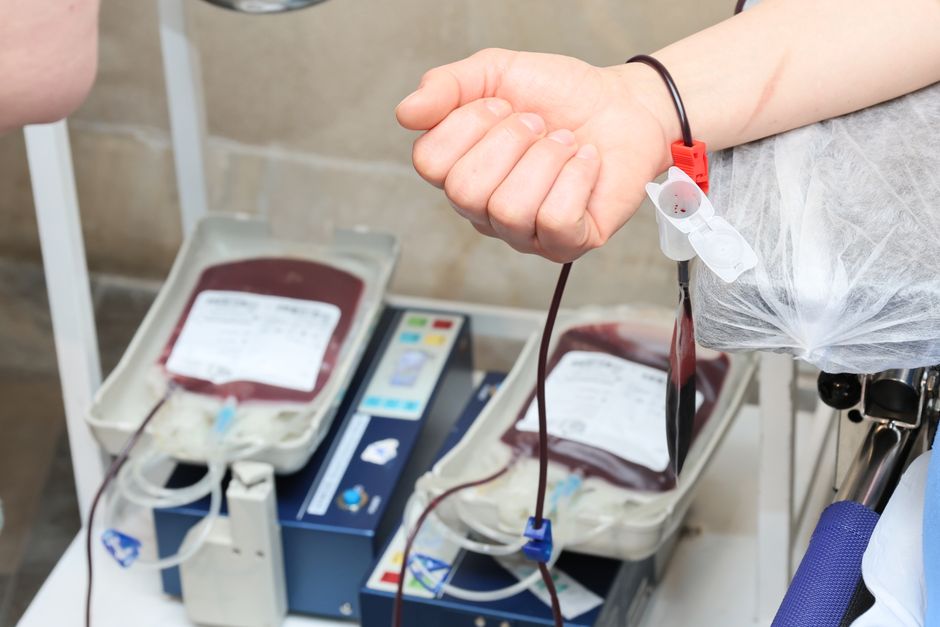
The legal limit for driving in all 50 US states is a blood alcohol concentration (BAC) of 0.08%. That is the number most people know. But “acceptable” and “legal” are not the same thing. Research shows impairment begins well below 0.08%. For some people, a BAC of 0.02% is enough to affect reaction time and judgment. The only truly acceptable blood alcohol level for safety is 0.00%. If you are driving, operating machinery, or making important decisions, the safest number is zero.
What Is the Legal Blood Alcohol Limit in the US?
The legal BAC limit for drivers over 21 is 0.08% in every state. Commercial drivers face a stricter limit of 0.04%. For drivers under 21, most states enforce a zero-tolerance policy. That means any detectable alcohol in the blood can lead to a DUI charge.
These limits are based on data showing that at 0.08%, the risk of a crash increases sharply. But impairment does not start at 0.08%. Studies have found that driving skills begin to decline at 0.02%. By 0.05%, most people show measurable reduction in coordination and tracking ability. The legal limit is a legal standard. It is not a safety recommendation.
Some countries set their legal limit at 0.05% or lower. The US is less strict than many other developed nations. As of 2026, there is active discussion about lowering the US federal standard to 0.05%. Utah already did this in 2018. Early data from Utah shows a reduction in fatal crashes since the change.
How Is Blood Alcohol Level Measured?
Blood alcohol concentration is measured as grams of alcohol per 100 milliliters of blood. A BAC of 0.08% means 0.08 grams of alcohol per 100 milliliters of blood. Law enforcement uses breath, blood, or urine tests to determine BAC.
Breath tests are the most common method. They estimate BAC by measuring alcohol in the breath. These devices are calibrated and require proper use. Factors like mouth alcohol or recent vomiting can affect results. Blood tests are more accurate but take longer to process. They are usually used in serious cases or when breath tests are challenged.
Home breathalyzers are available for personal use. Their accuracy varies widely. Some consumer devices are reasonably reliable. Others are not. If you are concerned about your BAC, a certified device from a reputable brand is better than an inexpensive one. But no home test is as accurate as law enforcement equipment.
What Factors Affect Your Blood Alcohol Level?
Many people think BAC depends only on how much you drink. That is not true. Multiple factors influence how quickly alcohol enters your blood and how long it stays there.
| Factor | Effect on BAC |
|---|---|
| Number of drinks | More drinks raise BAC. Each standard drink adds roughly 0.02% for an average person. |
| Time spent drinking | The liver processes about one standard drink per hour. Drinking faster than this raises BAC. |
| Body weight | Lower body weight means higher BAC for the same amount of alcohol. |
| Sex | Women typically reach higher BAC than men after the same number of drinks due to body composition and enzyme differences. |
| Food in stomach | Food slows alcohol absorption. Drinking on an empty stomach leads to faster and higher peak BAC. |
| Medications | Many drugs interact with alcohol. Some increase the effects of alcohol or slow its breakdown. |
| Metabolism | Individual differences in liver enzymes affect how quickly alcohol is processed. |
This is why two people drinking the same amount can have very different BAC levels. It is also why a person who “feels fine” might still be over the limit. How you feel is not a reliable measure of your BAC.



What Does Impairment Look Like at Different BAC Levels?
Impairment is not all-or-nothing. It increases gradually as BAC rises. Understanding what happens at each level helps explain why the legal limit is 0.08% and why even lower levels matter.
- 0.02% to 0.03%: Mild relaxation. Slight loss of judgment. Some people show reduced visual function and ability to track moving objects.
- 0.04% to 0.06%: Lowered inhibitions. Reduced coordination. Difficulty with complex tasks like driving. Some studies suggest this is the range where crash risk begins to increase measurably.
- 0.07% to 0.09%: Noticeable impairment in balance, speech, reaction time, and reasoning. At 0.08%, the risk of being in a crash is roughly 11 times higher than at 0.00%.
- 0.10% to 0.12%: Significant motor impairment. Slurred speech. Poor coordination. Judgment is clearly affected.
- 0.15% and above: Major loss of balance and muscle control. Vomiting may occur. Risk of blackout and alcohol poisoning increases sharply.
These effects are averages. Some people show impairment at lower levels. Tolerance can mask impairment, but it does not prevent it. A person who drinks regularly may feel less drunk at 0.08% but still has the same reduced reaction time and decision-making ability.
Can You Speed Up How Fast Your BAC Drops?
No. The liver processes alcohol at a fixed rate. For most people, that rate is about one standard drink per hour. Nothing speeds this up. Not coffee. Not cold showers. Not exercise. Not vomiting.
These myths are persistent because people want a quick fix. But the science is clear. The liver metabolizes alcohol through a series of chemical reactions that cannot be accelerated. Drinking water helps with hydration but does not lower BAC. Eating food slows absorption but does not speed elimination.
Time is the only thing that lowers BAC. If you are over the limit, you must wait. A general rule: it takes about two hours for the body to process a single drink to the point where BAC drops measurably. For someone at 0.08%, it typically takes four to six hours to reach 0.00%.
What Are the Consequences of Exceeding the Legal Limit?
The penalties for driving with a BAC of 0.08% or higher vary by state. Common consequences include fines, license suspension, mandatory alcohol education programs, and jail time. A first offense can cost thousands of dollars in legal fees, fines, and increased insurance premiums.
Beyond legal penalties, the real cost is safety. Alcohol-impaired driving accounts for about 30% of all traffic fatalities in the US. That is roughly 10,000 deaths per year. Every one of these deaths is preventable.
There is also a social cost. A DUI conviction stays on your record for years. It can affect employment, professional licenses, and even child custody arrangements. The consequences extend far beyond the night you made the decision to drive.
Common Misconceptions About Blood Alcohol Levels
Several myths about BAC are widely repeated but not supported by evidence. One common claim is that a person can “drink their limit” and be safe. This assumes you know exactly how much alcohol is in each drink and how your body will process it. Neither assumption is reliable. Drink sizes vary. Restaurant pours are often larger than standard. Craft beers and mixed drinks can contain two to three times the alcohol of a standard drink.
Another myth is that certain foods or medications can “sober you up.” Nothing sobers you up except time. Caffeine and cold showers make you more alert. They do not lower BAC. A person who feels more awake is still impaired and still over the limit.
Some people believe that if they feel fine, they are fine to drive. This is dangerous. Alcohol affects judgment first. By the time you feel drunk, your ability to assess your own impairment is already compromised. People who are over 0.08% often believe they are fine to drive. That is part of the problem.
Frequently Asked Questions
What is the legal blood alcohol limit for driving?
The legal limit for drivers over 21 is 0.08% BAC in all 50 states. Commercial drivers have a limit of 0.04%, and drivers under 21 face zero-tolerance laws.
Can I drive after one drink?
One standard drink can put some people at 0.02% to 0.03% BAC. While this is below the legal limit, impairment begins at this level. The safest choice is not to drive after any alcohol.
How long does it take for BAC to return to zero?
The liver processes about one standard drink per hour. For someone at 0.08%, it typically takes four to six hours to reach 0.00%. This varies by individual factors.
Does eating food lower your BAC?
Eating food before or while drinking slows the absorption of alcohol into the bloodstream. It does not lower your current BAC or speed up how fast it drops.
