
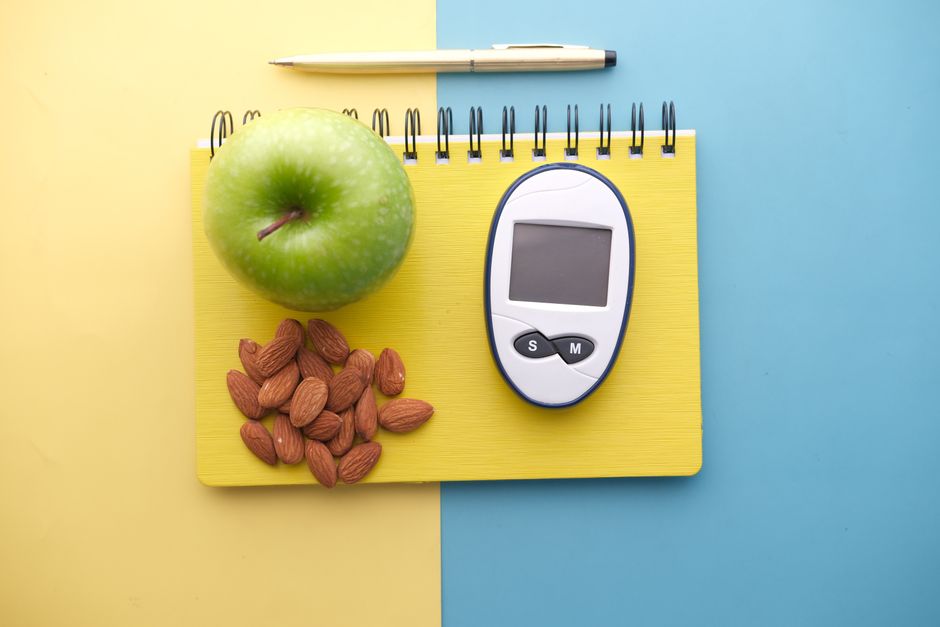
Your blood sugar level tells you how much glucose is in your blood right now. For most healthy adults, a normal fasting blood glucose level is between 70 and 99 mg/dL. Two hours after eating, it should be under 140 mg/dL. These numbers come from the American Diabetes Association and are the standard used by most doctors in the United States. If your numbers fall outside this range consistently, it may signal prediabetes or diabetes, but one high reading does not mean you have a problem.
What Is a Normal Blood Glucose Level by Time of Day?
Blood glucose changes throughout the day based on what you eat, when you eat, and how active you are. The most reliable way to check your baseline is to test after fasting for at least eight hours. That means no food or drinks except water. A fasting level between 70 and 99 mg/dL is considered normal by the CDC.
After meals, your blood sugar rises and then falls back down. Two hours after the start of a meal, a normal level is below 140 mg/dL. If you test randomly during the day without fasting, a normal result is usually under 200 mg/dL, but this number is less useful on its own. Random tests work best when paired with symptoms or other measurements.
Before bed, blood glucose should be similar to your fasting level. If it is consistently high at night, it may mean your body is not handling carbohydrates well during the day. This is a pattern worth discussing with your doctor rather than guessing on your own.
What Does Prediabetes Look Like on a Blood Test?
Prediabetes is a warning sign, not a disease. It means your blood sugar is higher than normal but not high enough to be diabetes. According to the CDC, about 98 million American adults have prediabetes, and more than 80 percent of them do not know it.
Three tests are used to diagnose prediabetes. A fasting glucose between 100 and 125 mg/dL is one marker. An A1C between 5.7 and 6.4 percent is another. A two-hour glucose tolerance test result between 140 and 199 mg/dL also qualifies. You only need one abnormal result to be diagnosed, but most doctors repeat the test to confirm.
Prediabetes does not always turn into diabetes. Research published in the journal Diabetes Care found that losing five to seven percent of your body weight and exercising 150 minutes per week can reduce your risk of progressing to diabetes by 58 percent. That is a big number, and it is backed by strong evidence from the Diabetes Prevention Program study.
How Do You Measure Blood Glucose Accurately?
Home glucose meters give you a snapshot of your blood sugar at one moment. They are reasonably accurate if used correctly, but small mistakes can throw off the reading. Always wash your hands with soap and water before testing. Alcohol wipes can leave residue that affects the result. Use a fresh lancet each time to avoid infection and pain.
Continuous glucose monitors, or CGMs, are becoming more common even for people without diabetes. These sensors sit under your skin and measure glucose in the fluid around your cells every few minutes. They are useful for spotting patterns, but they lag behind blood glucose readings by about five to ten minutes. The FDA has approved some CGMs for over-the-counter use, but they are not necessary for everyone.
Lab tests remain the gold standard. A fasting plasma glucose test done in a clinic is more precise than any home device. Your A1C test gives an average of your blood sugar over the past two to three months. It does not require fasting and is not affected by what you ate that morning. The American Diabetes Association recommends an A1C below 5.7 percent for normal glucose levels.



What Raises Blood Glucose Besides Food?
Most people think only sugar and carbs affect blood glucose. That is mostly true, but other factors matter too. Stress raises blood sugar because your body releases cortisol and adrenaline, which tell your liver to release stored glucose. Even a tense meeting or a traffic jam can push your numbers up temporarily.
Sleep matters more than most people realize. Studies show that sleeping fewer than six hours a night can reduce insulin sensitivity by up to 40 percent. That means your cells do not respond as well to insulin, so glucose stays in your bloodstream longer. Poor sleep is a genuine risk factor for higher blood sugar, not just an inconvenience.
Dehydration also concentrates glucose in your blood. When you are low on fluids, your blood volume drops, and the same amount of sugar becomes more concentrated. Drinking water consistently throughout the day helps keep levels stable. Some medications, including steroids and certain diuretics, can raise blood sugar as a side effect. If you take any prescription drugs, check the label or ask your pharmacist.
What Are the Symptoms of High Blood Glucose?
High blood sugar does not always cause symptoms, especially in the early stages. When symptoms do appear, they tend to develop slowly. Frequent urination is one of the most common signs. Your kidneys work harder to flush out excess glucose, so you feel the need to pee more often, including at night.
Increased thirst follows naturally from losing more fluid. You may also notice blurred vision, fatigue, and slow-healing cuts or sores. Some people report recurrent infections, particularly yeast infections, because high glucose feeds bacteria and fungi. Unexplained weight loss can occur when your body cannot use glucose for energy and starts breaking down fat instead.
If your blood sugar rises above 240 mg/dL, you should check your urine for ketones. Ketones are acids that build up when your body burns fat too quickly. High ketones combined with high blood sugar can lead to diabetic ketoacidosis, a medical emergency. Symptoms include nausea, vomiting, abdominal pain, and fruity-smelling breath. This is rare in people without diabetes, but it can happen.
What Is the Difference Between Fasting and Post-Meal Glucose?
Fasting glucose measures how well your body manages blood sugar when you have not eaten for hours. It reflects your liver’s ability to release glucose at a steady rate and your cells’ baseline sensitivity to insulin. A high fasting level often means your liver is producing too much glucose overnight, which is a hallmark of insulin resistance.
Post-meal glucose, also called postprandial glucose, shows how your body handles a carbohydrate load. After eating, your pancreas releases insulin to move glucose into your cells. If your cells resist insulin, glucose stays in your blood longer. A reading above 140 mg/dL two hours after eating suggests your body is struggling to keep up.
Both numbers matter, but they tell different stories. Fasting glucose is more stable and easier to interpret. Post-meal glucose varies more based on what you ate. A single high post-meal reading is not alarming, but consistently high numbers after meals point to a problem. Your doctor can help you decide which measurement is more relevant for your situation.
What Should You Do If Your Blood Glucose Is High?
One high reading is not a crisis. Blood sugar fluctuates naturally, and stress, illness, or a large meal can cause a temporary spike. If your fasting glucose is above 100 mg/dL on two separate occasions, it is worth a conversation with your doctor. Do not panic and do not ignore it.
Lifestyle changes are the most effective first step for borderline high numbers. Reducing refined carbohydrates like white bread, sugary drinks, and pastries can lower both fasting and post-meal glucose. Adding fiber from vegetables, beans, and whole grains slows down glucose absorption. Walking for 10 to 15 minutes after meals has been shown to lower post-meal blood sugar significantly, according to research published in Diabetologia.
If your doctor prescribes medication, take it as directed. Metformin is the most common first-line drug for type 2 diabetes and prediabetes. It works by reducing glucose production in the liver and improving insulin sensitivity. No supplement or herbal remedy has been proven to replace medication for high blood sugar. Some people report benefits from cinnamon or berberine, but the evidence is mixed and the studies are small.
Common Misconceptions About Blood Glucose
A common myth is that fruit causes high blood sugar and should be avoided. Whole fruit contains fiber, which slows down sugar absorption. Berries, apples, and citrus fruits have a lower glycemic load than fruit juice or dried fruit. The problem is not fruit itself but portion size and what you eat alongside it.
Another misconception is that normal blood sugar means you are completely healthy. Normal glucose levels are a good sign, but they do not rule out insulin resistance. Some people have normal fasting glucose but high insulin levels, which can be an early marker of metabolic problems. Your doctor can check your insulin level if you have risk factors like family history or excess belly fat.
Some people believe that eating sugar causes diabetes. That is not accurate. Eating too much sugar can lead to weight gain, which increases your risk for type 2 diabetes, but sugar itself is not the direct cause. Type 1 diabetes is an autoimmune condition unrelated to diet. Type 2 diabetes results from a combination of genetics, lifestyle, and body weight. Sugar is part of the picture, but it is not the whole story.
Frequently Asked Questions
What is a healthy blood glucose level for adults over 50?
The same targets apply for most adults over 50: fasting under 100 mg/dL and two hours after meals under 140 mg/dL. Some doctors adjust targets slightly for older adults with other health conditions.
Can stress cause high blood glucose even if I eat well?
Yes, stress triggers the release of cortisol and adrenaline, which raise blood sugar. Chronic stress can keep your levels higher than expected even with a clean diet.
How often should I check my blood glucose if I am healthy?
If you have no symptoms and no risk factors, routine home testing is not necessary. A yearly checkup with a fasting glucose or A1C test is sufficient for most people.
Does drinking water lower blood glucose immediately?
Drinking water helps dilute your blood and supports kidney function, which can lower glucose over time. It does not work instantly, but staying hydrated helps maintain stable levels.
