
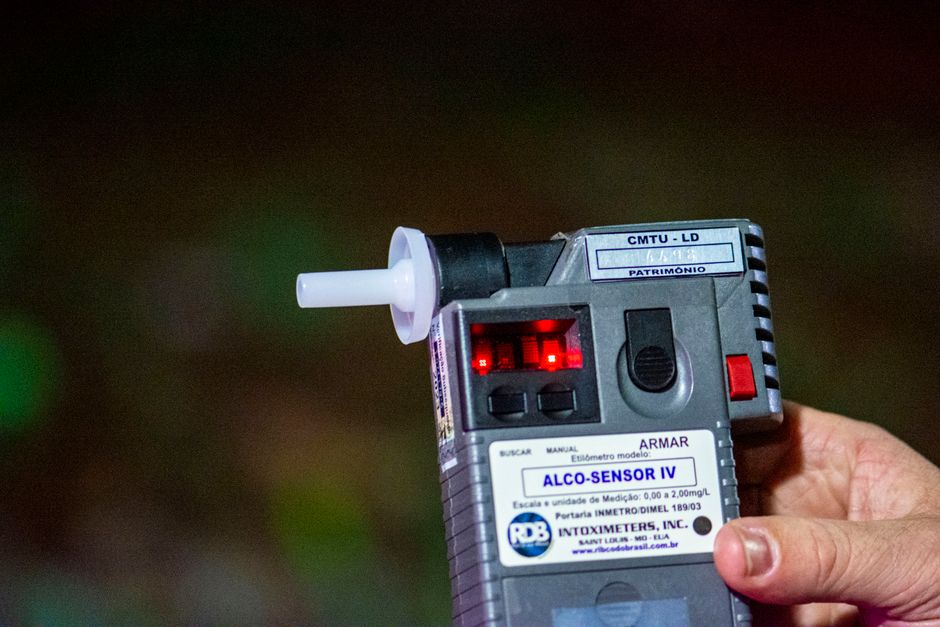
An alcohol test measures how much alcohol is in your body. The most common types use your breath, blood, or urine. Each test looks for alcohol differently and serves a different purpose, from roadside checks to medical evaluations. The results can be used by law enforcement, employers, and doctors to make important decisions.
How Do Alcohol Tests Work?
Alcohol enters your bloodstream quickly after you drink. It moves from your stomach and intestines into your blood. From there, it travels to every part of your body, including your brain and lungs.
Most alcohol tests do not measure alcohol directly in the organ they sample. Instead, they measure the alcohol in your blood and use that number to estimate your level of intoxication. This is why most tests report a blood alcohol concentration, or BAC, even when they use breath or urine.
Your liver breaks down about one standard drink per hour on average. This rate varies by person, weight, sex, and other factors. No test can speed up this process. Coffee, cold showers, and food do not lower your BAC faster.
What Is A Breath Alcohol Test?
A breath alcohol test is the most common type of alcohol test. Law enforcement officers use it at traffic stops and checkpoints. You blow into a device called a breathalyzer, and it measures the alcohol vapor in your breath.
Alcohol in your blood moves into your lungs as you breathe. The amount of alcohol in your breath is directly related to the amount in your blood. This relationship is well established and is the basis for all breath testing devices.
Breath tests are quick and non-invasive. Results are available in about a minute. The legal limit for driving in all US states is a BAC of 0.08 percent for drivers aged 21 and older. Commercial drivers have a lower limit of 0.04 percent.
Breath tests have some limitations. Mouthwash, breath sprays, and certain foods can briefly raise the reading. This is why officers observe you for 15 minutes before testing. They also check for any foreign objects in your mouth that could trap alcohol.
Some medications and medical conditions can affect breath test results. People with acid reflux or diabetes may have false readings. However, modern devices are designed to reduce these errors.
What Is A Blood Alcohol Test?
A blood test is the most accurate way to measure alcohol in your body. A healthcare professional draws blood from your arm and sends it to a laboratory for analysis. The lab measures the exact amount of alcohol in your blood sample.
Blood tests are considered the gold standard for alcohol testing. Courts and legal proceedings accept them as the most reliable evidence. Hospitals use them when they need precise measurements for medical treatment.
Blood tests take longer than breath tests. You may wait hours or days for results from a laboratory. This delay is one reason law enforcement prefers breath tests at the roadside. A blood test is often used after a breath test if the situation requires more accurate evidence.
Blood tests measure BAC directly. A BAC of 0.08 percent means you have 0.08 grams of alcohol per 100 milliliters of blood. This is the legal threshold for driving in every state.
Blood alcohol concentration rises within 30 to 70 minutes after your last drink. It peaks and then gradually declines as your liver processes the alcohol. A single blood test captures your BAC at one specific moment in time.


What Is A Urine Alcohol Test?
Urine tests measure alcohol that your body has processed and eliminated. They are less common than breath or blood tests. Employers and some legal programs use them because they are easy to collect and inexpensive to process.
Urine tests do not measure current intoxication as reliably as breath or blood tests. Alcohol can take 1 to 2 hours to appear in urine after you drink. This delay means a urine test may show a lower BAC than a blood test taken at the same time.
Urine tests can detect alcohol for a longer period than breath tests. Some urine tests look for ethyl glucuronide, or EtG, a byproduct of alcohol metabolism. This marker can be detected for up to 80 hours after heavy drinking.
EtG tests are controversial. They are very sensitive and can detect alcohol from non-beverage sources. Certain foods, medications, and even hand sanitizer can produce positive results. Some studies suggest that using hand sanitizer frequently can cause a positive EtG test.
Because of these issues, EtG tests are not used to determine legal intoxication. They are mainly used in monitoring programs where the goal is to detect any alcohol use, not to measure impairment.
What Is A Hair Alcohol Test?
Hair tests can detect alcohol use over a longer period. They measure fatty acid ethyl esters, or FAEEs, which form when alcohol reacts with fatty acids in your body. These compounds become trapped in hair as it grows.
A hair test can detect regular alcohol use for up to 90 days. This makes it useful for monitoring programs that require long-term abstinence, such as some professional licensing boards or custody cases.
Hair tests cannot measure current intoxication. They also cannot determine a specific BAC. They only show whether you have consumed alcohol repeatedly over several months.
Hair testing has limitations. Chemical hair treatments, such as bleaching or dyeing, can affect results. Dark hair may retain more FAEEs than light hair. Some research has raised concerns about the accuracy of hair tests for moderate drinking.
Hair tests are not widely used for legal or workplace testing. They are more common in specialized situations where long-term monitoring is needed.
What Is A Saliva Alcohol Test?
Saliva tests measure alcohol in your mouth and throat. You place a swab in your mouth, and the device detects alcohol within minutes. These tests are quick, non-invasive, and easy to administer.
Saliva alcohol levels closely match blood alcohol levels. The ratio is well established in research. This makes saliva tests reasonably accurate for detecting recent drinking.
Saliva tests are less common than breath tests for law enforcement. They are sometimes used in workplace testing or clinical settings. They have the same limitation as breath tests: recent food, drink, or mouthwash can affect results.
No saliva test can reliably measure impairment. They only measure the presence of alcohol. A positive saliva test means you have consumed alcohol recently, but it does not tell you how impaired you are.
How Accurate Are Alcohol Tests?
Blood tests are the most accurate. Urine and saliva tests are less precise. Breath tests fall in the middle, with accuracy that depends on the device and how it is used.
All alcohol tests have a margin of error. This is why legal limits include a tolerance for testing errors. In most states, you cannot be convicted of driving under the influence based on a BAC reading alone. The test result must be supported by other evidence, such as driving behavior or physical signs of impairment.
No test is perfect. False positives and false negatives can occur with every method. Factors that affect accuracy include:
- How recently you consumed alcohol
- What you ate or drank before the test
- Medications you take
- Medical conditions you have
- How the sample was collected and stored
- The quality and calibration of the testing device
If you believe an alcohol test result is wrong, you have the right to challenge it. An independent test, often a blood test, can be requested in most legal situations. An attorney can help you understand your options.
How Long Does Alcohol Stay In Your System?
Alcohol stays in your system for different lengths of time depending on the test used. Breath tests detect alcohol for about 12 to 24 hours. Blood tests detect alcohol for up to 12 hours. Urine tests can detect alcohol for 12 to 48 hours, depending on the test.
EtG urine tests can detect alcohol for up to 80 hours. Hair tests can detect alcohol for up to 90 days. These longer detection windows do not mean you are impaired for that long. They simply mean the test can find traces of alcohol or its byproducts.
Your body eliminates alcohol at a steady rate. The average person processes about 0.015 percent BAC per hour. If your BAC is 0.08 percent, it takes about 5.5 hours for your body to eliminate all the alcohol. This rate does not change with coffee, food, or exercise.
Can You Pass An Alcohol Test Without Drinking?
False positives can happen, but they are rare with modern testing methods. Breath tests can be affected by mouthwash, breath sprays, and certain foods. Some medications contain alcohol and can cause a positive result.
Non-alcoholic beer and wine contain small amounts of alcohol. Some brands have less than 0.5 percent alcohol by volume. Consuming large quantities of these products can produce a measurable BAC in some people.
Certain medical conditions can cause a positive alcohol test. Auto-brewery syndrome is a rare condition where yeast in the gut produces alcohol from carbohydrates. People with this condition can have positive breath tests without drinking any alcohol.
There is no safe way to beat an alcohol test. Products that claim to mask alcohol in your system do not work. The only reliable way to pass an alcohol test is to avoid alcohol for the required detection period.
Frequently Asked Questions
How long after drinking can you pass a breathalyzer?
Most people need at least one hour per standard drink to reach zero BAC. A person with a BAC of 0.08 percent typically needs about five and a half hours to eliminate all alcohol from their system.
Can mouthwash cause a positive breath alcohol test?
Yes, mouthwash containing alcohol can briefly raise breath alcohol readings. This effect usually disappears within 15 minutes, which is why officers observe a waiting period before testing.
Which alcohol test is most accurate?
Blood tests are the most accurate method for measuring blood alcohol concentration. Breath tests are reliable when properly calibrated, but blood tests remain the gold standard for legal and medical purposes.
Can medications affect alcohol test results?
Some medications contain alcohol and can affect test results. Other medications may interfere with how your body processes alcohol, which can change your BAC. Always inform the testing official about any medications you take.
