

If you have high blood pressure, what you drink matters as much as what you eat. The best drinks for lowering blood pressure are water, unsweetened beetroot juice, and low-fat milk. These three have the strongest research backing them. Other options like hibiscus tea and pomegranate juice show promise, but the evidence is not as solid. This article goes through what the science actually says, what is overhyped, and what you can safely skip.
What Drinks Are Good For High Blood Pressure According to Research?
Research points to a few clear winners. Beetroot juice is one of the most studied drinks for blood pressure. It is high in nitrates. Your body turns these nitrates into nitric oxide, which relaxes blood vessels. A 2015 study in the journal Hypertension found that drinking one cup of beetroot juice lowered systolic blood pressure by about 5-8 mmHg within a few hours. The effect lasts for up to 24 hours for some people.
Low-fat or skim milk is another strong choice. The DASH diet, which is the gold standard for lowering blood pressure, includes two to three servings of low-fat dairy per day. Milk provides calcium, potassium, and magnesium. These three minerals work together to help regulate blood pressure. A 2011 review in the American Journal of Clinical Nutrition found that dairy consumption was linked to lower blood pressure in most studies.
Water does not get enough credit. Dehydration makes your blood thicker and your heart work harder. Even mild dehydration can raise blood pressure temporarily. Drinking enough water throughout the day keeps your blood volume stable and helps your kidneys flush out excess sodium. Most people need between 8 and 12 cups of fluid per day, but this varies by body size and activity level.
Does Hibiscus Tea Really Lower Blood Pressure?
Hibiscus tea is widely promoted for blood pressure, and some evidence supports it. A 2010 study in the Journal of Nutrition found that drinking three cups of hibiscus tea daily for six weeks lowered systolic blood pressure by about 7 mmHg in adults with prehypertension and mild hypertension. The effect was similar to some prescription medications.
But there is a catch. Most studies on hibiscus tea are small and short-term. They also use different amounts of tea and different brewing methods. Some studies use dried hibiscus flowers. Others use tea bags from a specific brand. It is hard to know exactly how much you need or how consistent the effect is across different people.
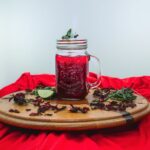
Hibiscus tea also lowers blood pressure through a different mechanism than beetroot juice. It acts as a natural diuretic and an ACE inhibitor. This means it helps your body get rid of extra fluid and relaxes blood vessels. If you take blood pressure medication, talk to your doctor before drinking large amounts. The combination could drop your pressure too low.
What About Pomegranate and Tart Cherry Juice?
Pomegranate juice gets a lot of attention, but the evidence is mixed. Some small studies show that drinking pomegranate juice daily for several weeks can lower systolic blood pressure by about 3-5 mmHg. The antioxidants in pomegranates may help reduce inflammation and improve blood vessel function.
Tart cherry juice has similar promise. A 2016 study in the Journal of the American Heart Association found that men who drank tart cherry juice for 12 weeks saw a small drop in blood pressure. The effect was modest, around 2-3 mmHg.
Here is the honest part. These juices are high in natural sugar. Even unsweetened versions have about 30 grams of sugar per cup. Drinking too much can raise your overall calorie intake and potentially harm your blood sugar. If you have high blood pressure and also have diabetes or prediabetes, these juices may not be the best choice. A small glass a few times per week is reasonable. Drinking them daily as a treatment is not supported by strong evidence.



What Drinks Make High Blood Pressure Worse?
Some drinks are clearly harmful for blood pressure. Sugary drinks are at the top of the list. Soda, sweetened iced tea, fruit punch, and energy drinks all spike blood sugar and increase inflammation. A 2019 study in the Journal of the American Heart Association found that drinking one sugary drink per day was linked to a 7% higher risk of developing high blood pressure.
Energy drinks are especially bad. They combine high caffeine with sugar and other stimulants like taurine and guarana. A 2015 study in the Journal of the American Heart Association found that drinking one energy drink raised systolic blood pressure by about 6 mmHg within two hours. The effect lasted for at least six hours.
Alcohol is complicated. Small amounts may not be harmful. But drinking more than one drink per day for women or two per day for men raises blood pressure. Heavy drinking, defined as four or more drinks in a sitting, causes a sharp temporary spike. Over time, it damages blood vessels and makes blood pressure harder to control.
Coffee gets a lot of questions. For most people, moderate coffee drinking does not cause long-term high blood pressure. Caffeine causes a temporary spike that lasts about 30 minutes to two hours. But regular coffee drinkers build up a tolerance. A 2017 review in the Journal of Hypertension found no strong link between regular coffee consumption and increased blood pressure risk. If you are not a regular coffee drinker and have high blood pressure, you may want to limit your intake or switch to decaf.
How to Choose the Right Drink for Your Blood Pressure
The table below compares the most common drinks for blood pressure. Use it as a quick reference.
| Drink | Evidence Level | Typical Effect on BP | Key Concern |
|---|---|---|---|
| Beetroot juice | Strong | -5 to -8 mmHg | Taste, stains teeth |
| Low-fat milk | Strong | -2 to -4 mmHg | Lactose intolerance |
| Water | Strong (for hydration) | Prevents increase | None |
| Hibiscus tea | Moderate | -5 to -7 mmHg | Interacts with meds |
| Pomegranate juice | Moderate | -3 to -5 mmHg | High sugar |
| Tart cherry juice | Weak to moderate | -2 to -3 mmHg | High sugar |
| Green tea | Weak | -1 to -2 mmHg | Caffeine sensitive |
| Sugary drinks | Harmful | Increases risk | Weight gain, diabetes |
| Energy drinks | Harmful | +5 to +6 mmHg acute | Multiple stimulants |
| Alcohol (excess) | Harmful | +5 to +10 mmHg | Liver damage, addiction |
Practical Steps to Add Blood Pressure-Friendly Drinks
Start with water. It is the simplest and safest choice. If you do not like plain water, add a slice of lemon, lime, or cucumber. Sparkling water is fine too. Just check the label for added sodium or sugar.
Beetroot juice is potent. Start with a small amount, like 2-3 ounces per day. You do not need to drink a full cup to get benefits. Some people find the taste earthy or strong. Mixing it with carrot or apple juice can help, but watch the sugar.
Milk is easy to add to your routine. Use it in smoothies, oatmeal, or just drink a glass with a meal. If you are lactose intolerant, try lactose-free milk or fortified plant milks like soy milk that have added calcium and potassium. Almond and oat milk are usually low in these minerals unless fortified.
Hibiscus tea is a good afternoon drink. Brew it hot or cold. Avoid adding sugar. Some commercial hibiscus teas have added sugar or artificial sweeteners. Read the ingredients list.
Current research suggests that no single drink is a cure for high blood pressure. You need a combination of dietary changes, physical activity, and sometimes medication. Drinks are one piece of the puzzle. They work best when you also cut back on sodium, eat more vegetables and whole grains, and stay active.
Frequently Asked Questions
Can drinking beetroot juice lower blood pressure quickly?
Yes, beetroot juice can lower blood pressure within a few hours of drinking it. The effect typically peaks around 3 to 6 hours after consumption.
Is it safe to drink hibiscus tea every day for blood pressure?
For most people, drinking hibiscus tea daily is safe in moderate amounts. If you take blood pressure medication, check with your doctor first to avoid your pressure dropping too low.
Does green tea help lower blood pressure?
Green tea has a small effect on blood pressure, usually a drop of 1 to 2 mmHg. The evidence is weaker than for beetroot juice or hibiscus tea.
What is the best drink first thing in the morning for high blood pressure?
Water is the best choice first thing in the morning. Your body is often slightly dehydrated after sleep, and water helps restore normal blood volume.
