

If your first blood pressure reading is always high, the most likely reason is that your body is reacting to the situation itself. Sitting in a medical office, waiting for a test, and watching a cuff tighten around your arm can trigger a temporary spike in blood pressure. This is so common that it has a clinical name: white coat hypertension. The good news is that a single high reading does not mean you have high blood pressure. The challenge is figuring out whether your numbers are high only in the clinic, or high all the time.
What Causes the First Reading to Be High
The body responds to stress with a rapid, automatic chain of events. When you are anxious or alert, your nervous system releases hormones like adrenaline and cortisol. These hormones make your heart beat faster and your blood vessels narrow. The result is a temporary rise in blood pressure.
This response is normal and protective in real danger. But a doctor’s office is not a physical threat. Your brain still registers the environment as stressful. The anticipation of the measurement itself can be enough to push your numbers up. By the time the cuff deflates, your body has already produced a higher reading than your resting baseline.
This effect is not imaginary. It is a measurable physiological response. Some people feel their heart racing in the waiting room. Others feel perfectly calm and still show elevated numbers. The absence of anxiety does not mean the response is absent.
White Coat Hypertension vs. Sustained Hypertension
White coat hypertension means your blood pressure is high in a clinical setting but normal outside of it. Sustained hypertension means your blood pressure is high most of the time, regardless of where you measure it.
Doctors distinguish between these two conditions because they carry different health implications. Sustained hypertension is a well-established risk factor for heart attack, stroke, and kidney damage. White coat hypertension is generally considered less dangerous, though research suggests it may still indicate a slightly elevated risk compared to people with consistently normal readings.
The key difference is not how you feel. It is what your blood pressure does when you are not in the clinic. Home monitoring and 24-hour ambulatory monitoring are the standard ways to find out.
Why Doctors Repeat the Reading
Blood pressure is not a static number. It changes minute to minute based on posture, breathing, recent food intake, caffeine, and stress. A single reading captures only one moment in time.
For this reason, clinical guidelines recommend taking multiple readings. A common approach is to take two or three measurements at least one minute apart. The first reading is often the highest. Later readings tend to be lower as the body settles.
If your first reading is elevated, your doctor should wait a few minutes and repeat the measurement. If the second and third readings are normal, the first reading may reflect a stress response rather than your true blood pressure. If all readings remain high, further evaluation is warranted.
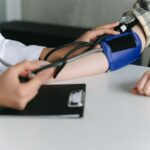

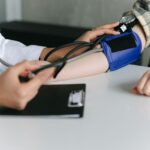
How to Get an Accurate Blood Pressure Reading
Measurement technique matters more than most people realize. Small errors can shift the numbers by several points. Some errors are enough to change a diagnosis.
Follow these steps for a more reliable reading:
- Sit quietly for at least five minutes before measuring.
- Sit with your back supported and both feet flat on the floor.
- Do not cross your legs.
- Rest your arm on a flat surface at heart level.
- Use the correct cuff size. A cuff that is too small can falsely raise the reading.
- Do not talk during the measurement.
- Empty your bladder before measuring. A full bladder can raise blood pressure.
- Avoid caffeine, exercise, and smoking for at least 30 minutes prior.
These steps apply to both home monitors and clinic measurements. If you are measuring at home, take two readings one minute apart in the morning and again in the evening. Record all readings and bring the log to your appointment.
Home Monitoring: The Best Way to Clarify Your Numbers
Home blood pressure monitoring is the most practical way to determine whether your first clinic reading reflects your usual blood pressure. Studies consistently show that home readings are better predictors of cardiovascular risk than clinic readings alone.
Choose a validated upper-arm monitor. Wrist monitors and finger monitors are less reliable and are not recommended for diagnosis. Look for a device that has been validated by a recognized standards organization.
Measure at the same times each day. Morning readings should be taken before breakfast and before any medication. Evening readings should be taken before dinner or before bed. Consistency matters more than frequency.
Do not take readings immediately after physical activity, stress, or a large meal. The numbers will not reflect your resting blood pressure.
When the First Reading Is the Only High Reading
If your first reading is high but subsequent readings are normal, your doctor may diagnose white coat hypertension. This diagnosis is not made on a single visit. It requires confirmation through home monitoring or 24-hour ambulatory monitoring.
Ambulatory monitoring involves wearing a portable device that takes readings every 20 to 30 minutes over 24 hours. It captures your blood pressure during daily activities and sleep. This method provides the most complete picture of your blood pressure patterns.
People with white coat hypertension are not usually started on medication based on clinic readings alone. Instead, doctors typically recommend lifestyle measures and continued monitoring. If home readings begin to rise over time, treatment may be reconsidered.
Why Is My First Blood Pressure Reading Always High
The question “Why Is My First Blood Pressure Reading Always High” has a straightforward answer: your body is responding to the measurement environment. The stress of the situation raises your blood pressure before the cuff even inflates. This is a well-documented phenomenon, not a sign that something is wrong with your monitor or your technique.
However, consistently high first readings deserve attention. If every clinic visit starts with an elevated number, it is worth investigating whether the elevation is limited to the clinic or extends into daily life. Home monitoring answers this question directly.
It is also possible that your first reading is high because your blood pressure is genuinely elevated. Some people have masked hypertension, meaning normal readings in the clinic but high readings at home. Others have sustained hypertension that shows up consistently everywhere.
The only way to know which pattern applies to you is to measure outside the clinic. A single high reading in the office is not a diagnosis. It is a prompt to gather more data.
What Your Doctor Will Do Next
Your doctor will likely repeat the measurement during the same visit. If the repeat readings are normal, the discussion shifts to home monitoring. If the repeat readings remain high, your doctor may order blood tests, a urine test, or an electrocardiogram to check for target organ damage.
Do not be surprised if your doctor asks you to monitor at home for a week or two before making any decisions. This is standard practice. It reflects the fact that clinic readings are only one piece of the picture.
If you are already taking blood pressure medication, a high first reading does not automatically mean your dose is wrong. It may simply reflect the stress of the visit. Your doctor may ask for home readings to guide any medication adjustments.
Lifestyle Factors That Influence Blood Pressure Readings
Beyond the stress of the clinic, several daily habits can raise blood pressure temporarily. Sodium intake is one of the most significant. A high-salt meal can raise blood pressure for hours afterward.
Caffeine can cause a short-term spike, especially in people who do not consume it regularly. Alcohol, especially heavy drinking, raises blood pressure over time. Poor sleep and chronic stress also contribute to higher average readings.
These factors do not cause white coat hypertension. But they can make your baseline blood pressure higher, which means even a small stress response in the clinic can push the reading into a concerning range.
Frequently Asked Questions
Should I be worried if my first blood pressure reading is high?
No, not based on the first reading alone. One elevated reading is common and often reflects the stress of the moment. Your doctor will take repeat readings and may ask you to monitor at home before making any judgment.
How long should I wait between blood pressure readings?
Wait at least one minute between readings. Sitting quietly for five minutes before the first reading also improves accuracy.
Can anxiety cause a high blood pressure reading?
Yes. Anxiety activates the same stress response that raises blood pressure in the clinic. This is the basis of white coat hypertension.
What is a normal home blood pressure reading?
Home readings are generally considered normal if they are below 135/85 mmHg. Clinic readings are considered normal if they are below 140/90 mmHg. These are general thresholds, and your doctor may interpret them differently based on your overall health.
