
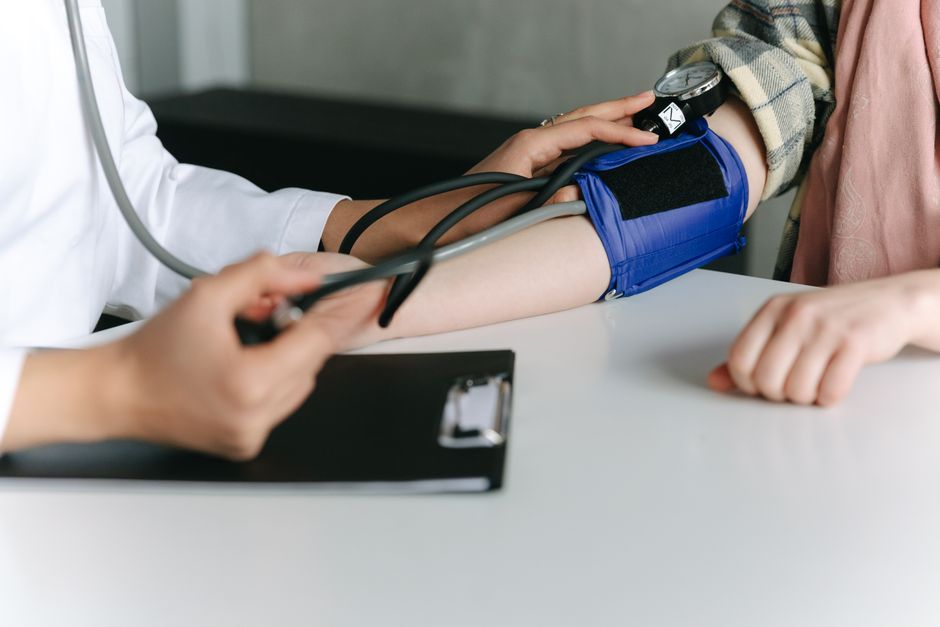
A blood pressure reading of 160/97 mmHg is considered high. In fact, it falls into the category that doctors call Stage 2 hypertension. This is not a reading to ignore or simply monitor at home for a few weeks without taking action. A reading this high means your heart and blood vessels are under significant strain, and it requires a conversation with a doctor promptly to discuss next steps.
What Does a Blood Pressure Reading of 160/97 Actually Mean?
To understand this reading, it helps to look at the two numbers separately. The top number, 160, is your systolic pressure. This measures the force of blood against your artery walls when your heart beats. The bottom number, 97, is your diastolic pressure. This measures the force of blood in your arteries when your heart rests between beats.
Blood pressure is measured in millimeters of mercury (mmHg). The medical community uses these numbers to classify blood pressure into categories. A normal reading is generally considered to be less than 120/80 mmHg. Elevated blood pressure is a systolic number between 120 and 129 with a diastolic under 80.
When the systolic number reaches 140 or higher, or the diastolic reaches 90 or higher, it is classified as Stage 2 hypertension. A reading of 160/97 clearly meets this definition. This is not a borderline result. It is a clear signal that your blood pressure is consistently too high and needs medical attention.
Is 160 97 Blood Pressure High And What Should You Do Immediately?
Yes, 160/97 is high blood pressure. If you took this reading correctly at home, you should not panic, but you should take it seriously. A single high reading does not always mean you have chronic hypertension. Stress, caffeine, smoking, or even having a full bladder can temporarily raise blood pressure. However, a reading this high should not be dismissed as a fluke.
The immediate action is to check your blood pressure again after a few minutes of quiet rest. Sit with your back supported, feet flat on the floor, and your arm at heart level. Do not talk during the measurement. If the second reading is still at or above 160/97, you should contact your healthcare provider within the next day or two.
This is not a medical emergency like a stroke or heart attack, but it is a warning sign. If you are experiencing chest pain, shortness of breath, severe headache, vision changes, or numbness on one side of your body, seek emergency care immediately. Without those symptoms, a reading of 160/97 warrants a prompt appointment with your doctor, not a trip to the emergency room.
Why Is a Reading of 160/97 Dangerous?
High blood pressure is often called the “silent killer” because it usually causes no symptoms until significant damage has already occurred. A reading of 160/97 means your arteries are experiencing high pressure on a continuous basis. Over time, this pressure damages the delicate inner lining of your blood vessels.
This damage creates small tears where cholesterol and other fats can build up, leading to a condition called atherosclerosis, or hardening of the arteries. Narrowed and stiff arteries make it harder for blood to flow, forcing your heart to work harder. This increases your risk of serious health events.
Research consistently shows that untreated high blood pressure is a leading risk factor for heart attack, stroke, heart failure, and kidney disease. It can also damage the blood vessels in your eyes, leading to vision problems. The higher your blood pressure, the greater the strain on your vital organs.
Hypertension also forces the heart muscle to thicken and enlarge over time to pump against the higher pressure. This thickened heart muscle is less efficient and can eventually lead to heart failure. The damage from high blood pressure accumulates silently over years, which is why early detection and treatment are so important.


How Is Stage 2 Hypertension Diagnosed?
Your doctor will not diagnose you with hypertension based on a single reading. A diagnosis of hypertension typically requires multiple elevated readings taken on separate occasions. Your doctor may take several readings during an office visit or ask you to monitor your blood pressure at home over a period of time.
Home monitoring is often recommended because it provides a more complete picture of your blood pressure throughout the day. It also helps rule out “white coat hypertension,” which is a temporary rise in blood pressure caused by the anxiety of being in a doctor’s office. Some people have normal blood pressure at home but high readings in the clinic, and vice versa.
If your home readings consistently show numbers in the 160/97 range, your doctor will likely confirm a diagnosis of Stage 2 hypertension. They will also ask about your medical history and may order blood tests to check for conditions that can cause or worsen high blood pressure, such as kidney disease or thyroid problems.
What Treatment Options Are Available?
Treatment for Stage 2 hypertension almost always involves medication. Lifestyle changes are important and often necessary, but a reading of 160/97 is generally too high to manage with lifestyle changes alone. Your doctor will likely prescribe one or more blood pressure medications to bring your numbers down into a safer range.
There are several classes of blood pressure medications. Common options include ACE inhibitors, angiotensin II receptor blockers (ARBs), calcium channel blockers, and diuretics. These medications work in different ways to relax blood vessels, reduce fluid volume, or slow the heart rate. Many people with Stage 2 hypertension need more than one medication to achieve control.
Your doctor will choose a medication based on your age, race, other health conditions, and potential side effects. It may take some time to find the right medication or combination of medications for you. Regular follow-up appointments are essential to monitor your response and adjust your treatment plan.
Alongside medication, your doctor will strongly encourage lifestyle modifications. These include reducing sodium intake, eating a balanced diet rich in fruits and vegetables, limiting alcohol, quitting smoking, maintaining a healthy weight, and getting regular physical activity. The DASH diet, which stands for Dietary Approaches to Stop Hypertension, is a well-researched eating plan specifically designed to lower blood pressure.
How Quickly Should Blood Pressure Be Brought Down?
When blood pressure is very high, doctors aim to bring it down gradually, not suddenly. The goal is not to normalize your blood pressure within a day or two. Rapidly dropping blood pressure can cause dizziness, fainting, and in some cases, reduce blood flow to the brain or heart.
The typical goal is to reduce blood pressure below 130/80 mmHg for most adults. Your doctor will set a specific target based on your individual health profile. Achieving this goal usually takes several weeks to a few months of consistent medication use and lifestyle changes.
You should never stop taking blood pressure medication on your own without talking to your doctor. Stopping suddenly can cause a dangerous spike in blood pressure. If you experience side effects, talk to your doctor about adjusting the dose or switching to a different medication. There are many options available, and most people can find a regimen that works well without unacceptable side effects.
Frequently Asked Questions
Is 160/97 blood pressure a medical emergency?
No, not by itself. Without symptoms like chest pain, shortness of breath, or vision changes, it is not an emergency, but you should contact your doctor within a day or two.
What should I do if I get a 160/97 reading at home?
Rest quietly for five minutes and take the reading again. If it is still high, contact your healthcare provider to schedule an appointment.
Can lifestyle changes alone lower blood pressure from 160/97?
Lifestyle changes are important, but a reading this high usually requires medication to bring it into a safe range. Talk to your doctor about the best approach.
How long does it take for blood pressure medication to work?
Most blood pressure medications start working within a few hours, but it can take several weeks to see the full effect and reach your target blood pressure.
