
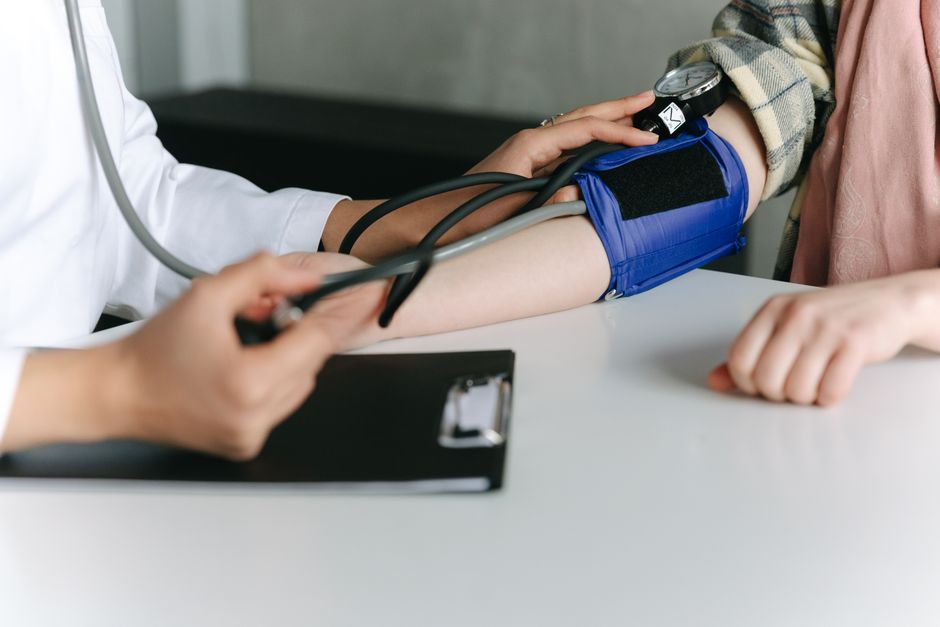
If your blood pressure is creeping up, you want to know what actually works without another pill. The short answer is that a combination of specific diet changes, regular physical activity, weight loss, and stress management can lower blood pressure as effectively as some medications for many people. Research consistently shows that losing even 5 to 10 pounds, eating less sodium and more potassium-rich foods, and walking 30 minutes most days can drop systolic blood pressure by 5 to 20 points. These are not vague wellness tips — they are backed by large clinical trials and are the first-line treatment doctors recommend before or alongside medication.
How Much Can Diet Alone Lower Blood Pressure?
The DASH diet (Dietary Approaches to Stop Hypertension) is the most studied eating pattern for blood pressure. In landmark research funded by the National Institutes of Health, people with mildly elevated blood pressure who followed the DASH diet saw their systolic pressure drop by 11 points on average. That is comparable to what some single blood pressure medications achieve.
The diet is not complicated. It emphasizes fruits, vegetables, whole grains, lean protein, and low-fat dairy. It also limits saturated fat, cholesterol, and added sugar. What makes it work is the combination of nutrients — potassium, magnesium, calcium, and fiber — not just one magic food. You do not need to follow it perfectly. Even partial adherence lowers pressure by about 5 to 6 points in most studies.
Sodium reduction amplifies the effect. Cutting sodium to about 1,500 milligrams per day (roughly two-thirds of a teaspoon of salt) combined with the DASH diet can lower systolic pressure by 12 points or more. That is a bigger drop than either change alone. As of 2026, the American Heart Association still recommends this combination as the gold standard for dietary blood pressure control.
Does Exercise Lower Blood Pressure Without Medication?
Yes, and the evidence is strong. Aerobic exercise like brisk walking, cycling, or swimming lowers resting blood pressure by 5 to 8 points on average. The effect appears within weeks of starting a consistent routine. Resistance training also helps, though the drop is smaller — about 3 to 4 points.
The key is consistency, not intensity. Thirty minutes of moderate activity most days is enough. That could be a brisk walk around the neighborhood. You do not need to run marathons or join a gym. Current research suggests that even short bouts of exercise throughout the day — three 10-minute walks, for example — produce similar benefits to one longer session.
One less obvious point: exercise lowers blood pressure partly by improving the flexibility of your blood vessels. Over time, your arteries become less stiff, which reduces resistance to blood flow. This effect is real and measurable. It is why people who exercise regularly tend to have lower blood pressure even when they are not actively working out.
What Role Does Weight Loss Play in Lowering Blood Pressure?
Weight loss is one of the most powerful natural interventions. For every kilogram (2.2 pounds) of weight lost, blood pressure drops by about 1 point. That may sound small, but losing 10 to 15 pounds can lower systolic pressure by 5 to 10 points. For someone with borderline high blood pressure, that can be enough to avoid medication entirely.
The effect is not just about eating less. Fat tissue, especially around the abdomen, releases hormones and inflammatory substances that constrict blood vessels and raise blood pressure. Losing that fat reverses the process. This is why waist size matters. Men with a waist over 40 inches and women over 35 inches are at higher risk, and trimming that circumference directly improves pressure readings.
Crash diets do not work here. Slow, steady weight loss of 1 to 2 pounds per week produces better long-term results. The blood pressure benefits appear early — often within the first few weeks of weight loss, before you reach your goal weight. This is a genuine positive feedback loop: losing weight lowers pressure, which makes it easier to exercise, which helps you lose more weight.

Can Stress Management and Sleep Lower Blood Pressure Naturally?
This is where the evidence gets more nuanced. Chronic stress does raise blood pressure in the moment, and people under constant stress tend to have higher average readings. But the research on specific stress reduction techniques is mixed. Some studies show that meditation, mindfulness, or deep breathing can lower pressure by 3 to 5 points. Others show no significant effect.
What is clearer is the role of sleep. Poor sleep — especially less than six hours per night or untreated sleep apnea — is a known cause of high blood pressure. During deep sleep, your body repairs blood vessels and regulates stress hormones. Skimping on sleep disrupts this process. One large study found that people who slept five hours or less per night were 61% more likely to develop high blood pressure than those who slept seven hours.
Fixing sleep is not glamorous, but it works. Treating sleep apnea with a CPAP machine can lower blood pressure by 3 to 5 points. Improving sleep hygiene — consistent bedtimes, no screens before bed, a cool dark room — helps too, though the effect is smaller. The honest answer is that stress management alone rarely produces dramatic drops, but combined with diet, exercise, and weight loss, it removes a barrier to progress.
What About Supplements for Lowering Blood Pressure?
This area is full of overhyped claims. The supplements with the best evidence are potassium, magnesium, and beetroot juice. Potassium is the most important. Increasing potassium intake to about 3,500 to 4,700 milligrams per day can lower systolic blood pressure by 4 to 5 points in people with high sodium intake. Food sources like bananas, potatoes, spinach, and beans work better than pills.
Magnesium supplements show a modest effect — about 2 to 3 points — but only in people who are deficient. Most people get enough magnesium from food. Beetroot juice contains nitrates that convert to nitric oxide in the body, which relaxes blood vessels. Some studies show a 4 to 5 point drop within hours of drinking it, but the effect is temporary and not a long-term solution.
Supplements to be skeptical about include garlic, fish oil, and coenzyme Q10. Some people report benefits, but large clinical trials do not consistently show meaningful drops. As of 2026, there is no clinical evidence that any herbal supplement can replace lifestyle changes or medication for sustained blood pressure control. If you are considering a supplement, talk to your doctor. Some can interact with blood pressure medications and cause harm.
| Intervention | Typical Systolic Drop | Strength of Evidence |
|---|---|---|
| DASH diet + low sodium | 11-12 points | Strong |
| Weight loss (10-15 lbs) | 5-10 points | Strong |
| Aerobic exercise (30 min/day) | 5-8 points | Strong |
| Potassium increase (from food) | 4-5 points | Moderate |
| Stress reduction techniques | 3-5 points | Mixed |
| Magnesium supplements | 2-3 points | Weak to moderate |
| Beetroot juice (acute) | 4-5 points (temporary) | Moderate |
What Common Mistakes Keep People From Lowering Their Blood Pressure?
The biggest mistake is expecting one change to solve the problem. Drinking beet juice while eating a high-sodium diet will not lower your pressure. The interventions work synergistically. Doing three things partially is better than doing one thing perfectly.
Another common error is cutting sodium too aggressively without replacing it with potassium-rich foods. Your body needs a balance. Simply reducing salt without increasing fruits and vegetables leaves a gap that potassium fills. The ratio matters more than the absolute amount of either.
People also underestimate how much sodium is hidden in restaurant food and packaged products. A single restaurant meal can contain more than a full day’s recommended sodium. Cooking at home gives you control. Even then, check labels — bread, canned soups, and deli meats are major hidden sources.
Finally, many people stop their lifestyle changes once their blood pressure improves. This is a mistake. Blood pressure rises back up when you stop. The changes need to be permanent, not a temporary fix. Think of it as maintenance, not a cure. That is not discouraging — it is realistic. The people who keep their pressure down are the ones who make these habits part of their daily life.
Frequently Asked Questions
How quickly can lifestyle changes lower blood pressure?
Diet changes like reducing sodium can show effects within one to two weeks. Exercise and weight loss typically take four to eight weeks to produce measurable drops.
Can drinking water lower blood pressure?
Drinking water alone does not directly lower blood pressure. However, staying hydrated helps your heart pump more efficiently, and dehydration can cause blood pressure to drop temporarily or spike in some people.
Is it safe to stop blood pressure medication if I lower it naturally?
Never stop medication without your doctor’s approval. If lifestyle changes bring your pressure into a healthy range, your doctor may gradually reduce your dose, but stopping suddenly can cause dangerous spikes.
Does caffeine raise blood pressure permanently?
No. Caffeine causes a temporary spike of 5 to 10 points that lasts a few hours. Regular coffee drinkers develop tolerance, and long-term studies do not link moderate coffee intake to chronic high blood pressure.
