
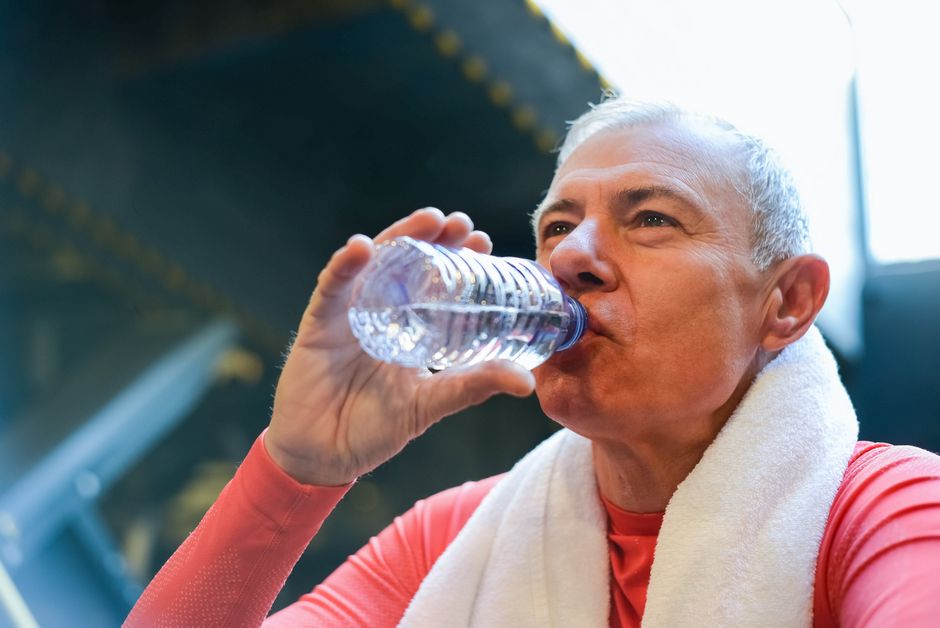
What you drink matters for blood pressure more than most people realize. Some drinks lower it naturally. Others push it up without you noticing. The best choices are water, unsweetened beet juice, and low-fat milk. Drinks to avoid include soda, energy drinks, and anything with added sugar. Alcohol is tricky — small amounts may help but too much raises pressure.
Does What You Drink Really Affect Blood Pressure?
Yes, and the effect can be significant. The American Heart Association notes that diet — including beverages — directly impacts blood pressure levels. Your kidneys and blood vessels respond to what you consume within hours.
Sodium and sugar are the biggest problems in drinks. A single can of soda has about 39 grams of sugar. That much sugar can spike blood pressure temporarily. Over time, it damages blood vessel function.
Fluid balance also matters. Your body needs enough water to keep blood volume stable. When you are dehydrated, blood thickens and pressure can rise. When you drink too much fluid, the kidneys have to work harder.
The key is choosing drinks that support your body’s natural regulation systems. Some beverages actively help lower pressure. Others just do not make things worse.
What Is the Best Drink for High Blood Pressure?
Water is the single best drink for blood pressure. It has zero calories, zero sodium, and zero sugar. Your body needs it for every function related to circulation.
Beet juice has strong research behind it. A 2015 study in the Journal of Nutrition found that drinking one cup of beet juice lowered systolic blood pressure by about 5 points within hours. The nitrates in beets convert to nitric oxide, which relaxes blood vessels.
Low-fat milk is another solid choice. The DASH diet — which stands for Dietary Approaches to Stop Hypertension — includes low-fat dairy as a key component. Calcium and potassium in milk help regulate blood pressure.
Pomegranate juice also shows promise. Some studies suggest it can lower blood pressure by reducing inflammation and improving blood vessel health. But watch the sugar content in store-bought versions.
What To Drink For High Blood Pressure And What To Avoid?
This is the core question and the answer is straightforward. Drink water as your main beverage. Include unsweetened beet juice, low-fat milk, and unsweetened pomegranate juice in rotation. Herbal teas like hibiscus and chamomile also help.
Avoid sugary drinks entirely. That includes soda, sweet tea, fruit punch, and flavored coffees. Avoid energy drinks — they contain caffeine and other stimulants that raise blood pressure. Avoid alcohol in excess. The CDC defines moderate drinking as one drink per day for women and two for men. Going beyond that raises pressure.
Here is a quick comparison table:
| Drink | Effect on Blood Pressure | Best Choice? |
|---|---|---|
| Water | Neutral to beneficial | Yes |
| Beet juice (unsweetened) | Lowers within hours | Yes |
| Low-fat milk | Supports regulation | Yes |
| Soda | Raises pressure | Avoid |
| Energy drinks | Raises pressure | Avoid |
| Alcohol (excess) | Raises pressure | Limit |


Does Hibiscus Tea Actually Lower Blood Pressure?
Yes, the evidence is solid. A 2010 study published in the Journal of Nutrition found that drinking three cups of hibiscus tea daily lowered systolic blood pressure by an average of 6 points in adults with mild hypertension. That is comparable to some medications.
Hibiscus works as a natural diuretic. It helps your body flush out extra sodium through urine. Less sodium in your system means lower blood pressure.
It also contains antioxidants called anthocyanins. These compounds help blood vessels relax and widen. That reduces resistance in your arteries.
One caution: hibiscus can interact with some blood pressure medications. If you take hydrochlorothiazide or other diuretics, talk to your doctor first. The combined effect could lower blood pressure too much.
Is Coffee Safe for People With High Blood Pressure?
This is more complicated than most people think. Caffeine causes a temporary spike in blood pressure. For most people, that spike lasts about 30 to 60 minutes. For people with hypertension, the spike can be larger.
Research published in the American Journal of Clinical Nutrition found that long-term coffee drinkers develop tolerance. Their blood pressure does not stay elevated from regular coffee consumption. But people who drink coffee only occasionally may see bigger spikes.
The real issue is how you take your coffee. Black coffee has minimal effect. But adding sugar, cream, or flavored syrups turns it into a problem. A 16-ounce caramel latte from a coffee shop can have over 50 grams of sugar. That is more than the American Heart Association recommends for an entire day.
If you have high blood pressure, limit coffee to one or two cups per day. Skip the sugar. Drink it black or with a splash of milk.
What About Alcohol and Blood Pressure?
Alcohol has a J-shaped relationship with blood pressure. That means small amounts may help, but larger amounts definitely hurt. The pattern is well documented in research from the National Institutes of Health.
One drink per day for women and two for men may slightly lower blood pressure. Red wine contains resveratrol, which some studies suggest supports blood vessel health. But the benefit is small and inconsistent.
Three or more drinks per day consistently raise blood pressure. Heavy drinking damages the heart muscle and stiffens arteries over time. Binge drinking — four or more drinks in two hours — can cause dangerous spikes.
The safest approach is to drink in moderation or not at all. If you do not drink, there is no reason to start for blood pressure benefits. The downsides outweigh the upsides.
What Drinks Should You Avoid Completely?
Some drinks offer no benefit and clear harm. Avoid these entirely if you have high blood pressure:
- Soda and sugary soft drinks — A 2019 study in the journal Hypertension found that one daily soda increased the risk of developing high blood pressure by 13 percent. The sugar overload damages blood vessels and promotes weight gain.
- Energy drinks — These contain high doses of caffeine plus stimulants like taurine and guarana. A 2015 study in the Journal of the American Heart Association found that energy drinks raised blood pressure more than coffee with the same amount of caffeine.
- Sweet tea and fruit punch — These are sugar bombs in disguise. A 12-ounce glass of sweet tea can have 30 grams of sugar. Fruit punch often has even more.
- Sports drinks — Designed for athletes losing electrolytes through sweat. For most people, they add unnecessary sugar and sodium.
The common thread is added sugar. The American Heart Association recommends no more than 36 grams of added sugar per day for men and 25 grams for women. One soda wipes out that entire allowance.
Common Misconceptions About Drinks and Blood Pressure
Many people think coconut water is a miracle drink for blood pressure. It does contain potassium, which helps regulate pressure. But it also has natural sugars. A cup of coconut water has about 10 grams of sugar. Drinking too much can add up.
Some people believe that green tea is always safe. Green tea has less caffeine than coffee, but it still has caffeine. For people sensitive to caffeine, it can cause a temporary spike. The antioxidants in green tea are beneficial, but the effect on blood pressure is modest at best.
Another myth is that drinking more water always lowers blood pressure. This is not true. Drinking excessive amounts of water can actually raise blood pressure in people with kidney problems. Your kidneys filter blood and regulate fluid balance. When they cannot keep up, blood volume increases and pressure rises.
The idea that alcohol in any amount is bad for blood pressure is also incorrect. Small amounts may have a mild protective effect. The problem is that most people underestimate how much they drink. A standard drink is 12 ounces of beer, 5 ounces of wine, or 1.5 ounces of liquor. Many glasses of wine are poured larger than that.
Practical Tips for Changing What You Drink
Start by replacing one sugary drink per day with water. Do this for one week. Then replace another. Small changes are easier to sustain than big ones.
Buy a reusable water bottle. Keep it on your desk or in your bag. Having water available makes it easier to choose it over soda or juice.
If you crave flavor, add lemon, lime, or cucumber slices to your water. Herbal teas like hibiscus, chamomile, and peppermint are also good options. They have no caffeine and no sugar.
Read labels on any bottled drink. Look for added sugar under different names: high fructose corn syrup, cane sugar, agave nectar, honey, or fruit juice concentrate. If the total sugar per serving is over 10 grams, skip it.
When you eat out, ask for water with no ice. Restaurants often serve sugary drinks by default. If you order a soda, you get a large one. Ask for water instead and save yourself the sugar.
Frequently Asked Questions
Can drinking beet juice replace blood pressure medication?
No, beet juice is not a replacement for prescribed medication. It can help lower blood pressure as part of a healthy diet, but it should not be used instead of doctor-prescribed treatment.
How much water should I drink for high blood pressure?
Most adults need about 8 to 10 cups of fluid per day. Water is the best choice. If you have kidney disease, ask your doctor about the right amount for you.
Does green tea lower blood pressure?
Some studies suggest green tea may have a small effect on blood pressure due to its antioxidants. The effect is modest, and it contains caffeine which can cause a temporary spike.
Is it safe to drink alcohol while taking blood pressure medication?
It depends on the medication. Some blood pressure drugs interact with alcohol, causing dizziness or dangerously low blood pressure. Check with your doctor or pharmacist before drinking.
