
Most people with high blood pressure feel nothing at all. It is often called a “silent” condition for this exact reason. You can have dangerously high readings for years and never experience a single symptom that tells you something is wrong. The only way to know for certain is to have your blood pressure measured with a cuff.
Can You Actually Feel High Blood Pressure?
In the vast majority of cases, no. There are no reliable physical sensations that occur when your blood pressure rises above normal. This is why routine screening is so important. Many people are genuinely surprised when they receive a high reading because they feel perfectly healthy.
Some people report headaches, dizziness, or nosebleeds when their blood pressure is very high. But research has not confirmed that these symptoms are directly caused by typical high blood pressure. They are more commonly associated with a sudden and severe spike, rather than a gradual increase over time.
What Does a Sudden Spike Feel Like?
When blood pressure reaches a dangerously high level, symptoms can appear. This is called a hypertensive crisis. A reading of 180/120 mm Hg or higher is considered a crisis and requires immediate medical attention.
During a hypertensive crisis, people may experience a severe headache, chest pain, shortness of breath, vision changes, or confusion. Some describe a pounding sensation in the head or neck. These symptoms are serious and should never be ignored. If you experience them, seek emergency care.
It is important to understand that most people never experience these symptoms. A person can have a reading of 160/100 and feel completely normal. The absence of symptoms does not mean the condition is harmless.
Why Is High Blood Pressure Called the Silent Killer?
The term “silent killer” is used because high blood pressure damages your body without warning. Over time, the force of blood against artery walls causes damage. This damage can lead to heart attack, stroke, kidney disease, and vision loss.
The damage happens slowly, over years. Your blood vessels become less flexible. The heart works harder to pump blood. These changes occur without any sensation you can feel. By the time symptoms appear, significant damage may already be present.
This is why regular blood pressure checks are critical. The condition is treatable, but only if you know you have it. Many people only discover they have high blood pressure during a routine doctor visit or when they experience a serious health event.

Does High Blood Pressure Cause Headaches?
This is a common question, and the answer is more complicated than people expect. Chronic high blood pressure is not consistently linked to headaches. Some research suggests a weak association, but many people with high blood pressure never get headaches.
Severe headaches are more clearly associated with a hypertensive crisis. When blood pressure spikes to 180/120 or higher, a pounding headache can occur. This is a medical emergency. If you have a severe headache and a high blood pressure reading, seek immediate care.
Relying on headaches as a warning sign is not safe. You cannot use how you feel to determine whether your blood pressure is healthy. The only accurate method is measurement.
Can You Feel Fatigue or Anxiety From High Blood Pressure?
Fatigue is not a direct symptom of high blood pressure. However, the two can be related indirectly. Poor sleep, stress, and anxiety can raise blood pressure. These same factors can also cause fatigue.
Anxiety can cause temporary spikes in blood pressure. A single elevated reading in a medical setting is common and is sometimes called “white coat hypertension.” This occurs because the stress of being in a doctor’s office raises your reading.
If you feel anxious or tired, it does not mean your blood pressure is high. These symptoms are not reliable indicators. The reverse can also be true — you can have high blood pressure and feel energetic and calm.
What Are the Actual Warning Signs of a Hypertensive Emergency?
While most high blood pressure is silent, there are warning signs of a hypertensive emergency. These symptoms indicate that organ damage may be occurring. They include:
- Severe chest pain
- Shortness of breath
- Severe headache with confusion
- Vision changes or blurred vision
- Numbness or weakness on one side of the body
- Difficulty speaking
- Blood in the urine
These symptoms require immediate emergency care. Do not wait to see if they improve. A hypertensive emergency is a life-threatening situation.
Having these symptoms does not always mean your blood pressure is high. Other conditions can cause similar signs. But the risk is too high to ignore them. Medical evaluation is essential.
How Do You Know If You Have High Blood Pressure?
The only way to know is to measure it. A blood pressure reading consists of two numbers. The systolic number measures pressure during a heartbeat. The diastolic number measures pressure between heartbeats.
Normal blood pressure is below 120/80 mm Hg. Elevated blood pressure is 120-129 systolic with a diastolic below 80. Stage 1 hypertension is 130-139 systolic or 80-89 diastolic. Stage 2 hypertension is 140/90 or higher.
These numbers are based on established clinical guidelines. A single high reading does not mean you have hypertension. Your doctor will typically confirm a diagnosis with multiple readings taken on different days.
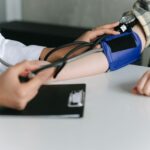
Home monitoring can be helpful. A home blood pressure monitor is affordable and easy to use. Taking readings at home can provide a more accurate picture than occasional office visits. It can also help you track how well treatment is working.
Why Is Treatment Important Even If You Feel Fine?
Feeling fine does not mean you are safe. High blood pressure damages organs silently. The heart, brain, kidneys, and eyes are all affected over time. Treatment reduces this risk.
Lifestyle changes are often the first step. Reducing sodium intake, increasing physical activity, maintaining a healthy weight, and limiting alcohol can all lower blood pressure. Some people also need medication.
Medication is highly effective when taken as prescribed. Many people require more than one medication to reach their target blood pressure. Your doctor will adjust your treatment based on your readings and your overall health.
Untreated high blood pressure increases the risk of heart attack, stroke, and kidney failure. These are serious outcomes. The absence of symptoms does not protect you from these risks.
Frequently Asked Questions
Can you feel if your blood pressure is high?
No, most people cannot feel high blood pressure. It typically produces no symptoms, which is why it is called a silent condition.
What does a high blood pressure headache feel like?
A headache from a hypertensive crisis is usually severe and pounding, often felt at the back of the head. This type of headache is a medical emergency requiring immediate care.
Does high blood pressure make you tired?
High blood pressure itself does not directly cause fatigue. However, related factors like poor sleep, stress, or medication side effects can make you feel tired.
When should I go to the ER for high blood pressure?
Go to the emergency room if your reading is 180/120 or higher and you have symptoms like chest pain, shortness of breath, vision changes, or severe headache. These signs indicate a hypertensive emergency.
