
Donating blood is safe for most healthy adults and offers clear benefits for the community. The short-term risks are minor and well-understood, while the long-term health effects are mostly positive or neutral. Research shows that for the average donor, the benefits of donating blood outweigh the risks. This article explains what the evidence actually says about both sides.
Does Donating Blood Have Health Benefits for the Donor?
Research shows that regular blood donation may have some health benefits for the donor. The most studied benefit is a possible reduction in iron stores. High iron levels have been linked to oxidative stress, which can damage cells over time. By removing iron-rich red blood cells, donation may help lower that risk.
Some studies suggest that regular donors have a lower risk of certain health conditions. For example, research has found that men who donate blood regularly may have a reduced risk of heart attack. The theory is that lowering iron levels reduces oxidative damage to blood vessels. However, this is not proven beyond doubt. The evidence is strongest for men and postmenopausal women, who naturally store more iron.
There is also research on blood donation and cancer risk. Some studies have found lower rates of certain cancers among regular donors. But these studies are observational. They show a link, not a cause. People who donate blood may also be healthier overall. That makes it hard to separate the effect of donation from other lifestyle factors.
As of 2026, current research suggests that the health benefits for donors are modest. They are real for some people, especially those with high iron levels. But they are not a reason to donate if you are not already eligible. The primary benefit of donating blood is saving lives. Any personal health benefit is a bonus, not the main reason.
What Are the Immediate Risks of Donating Blood?
The most common risks of donating blood are minor and short-lived. About 1 in 20 donors will have a reaction. The most frequent issue is feeling faint or lightheaded. This happens because your body is adjusting to the loss of about one pint of blood. Most people feel fine after resting for 10 to 15 minutes and having a snack.
Bruising at the needle site is also common. It happens when blood leaks into the tissue under the skin. This is not dangerous. The bruise usually fades within a few days. A small number of people may feel nauseous or dizzy during or right after donation.
Serious complications are very rare. They include nerve injury from the needle, fainting with injury, or an allergic reaction to the anticoagulant used during collection. These events happen in less than 1 in 10,000 donations. Blood donation centers are trained to handle these situations. They screen donors carefully to reduce risk.
Your body replenishes the lost blood volume within 24 to 48 hours. The red blood cells take longer, about four to six weeks. That is why you must wait at least eight weeks between whole blood donations. This waiting period is a safety measure, not a limitation.
Is Donating Blood Bad For You Risks and Benefits for Iron Levels?
Iron is a central concern for blood donors. Each donation removes about 200 to 250 milligrams of iron from your body. For most people, this is not a problem. But for some, especially women who already have low iron, it can lead to deficiency.
Research shows that frequent donors are at higher risk for low iron stores. A study published in the journal Transfusion found that about 25% of regular donors had low ferritin levels. Ferritin is the protein that stores iron. Low ferritin means your iron reserves are depleted. This can happen before you become anemic.
Symptoms of low iron include fatigue, weakness, and difficulty concentrating. Some people also report restless legs or brittle nails. These symptoms are easy to miss or blame on other things. Donors who give blood more than two or three times a year should have their iron levels checked. Many blood centers now offer ferritin testing for regular donors.
The good news is that low iron from donation is reversible. Eating iron-rich foods like lean meat, beans, and dark leafy greens helps. Some donors choose to take an iron supplement. The recommended dose is about 18 to 27 milligrams of elemental iron daily for four to six weeks after donation. But do not start supplements without talking to a doctor first. Too much iron can be harmful.


How Does Blood Donation Affect Your Heart and Circulation?
Blood donation has a direct effect on your cardiovascular system. When you donate, your blood volume drops by about 10%. Your body responds by constricting blood vessels and increasing heart rate. This is a normal, temporary adjustment. For healthy people, this is not dangerous.
Some research suggests that regular blood donation may improve blood vessel function. A study in the American Journal of Epidemiology found that male blood donors had a lower risk of heart attack compared to non-donors. The effect was strongest for donors who gave blood at least once a year. Again, this is an association, not proof.
For people with existing heart conditions, the picture is different. Most blood centers require donors to have stable heart health. If you have had a heart attack or heart surgery, you may need a doctor’s approval to donate. The temporary drop in blood pressure could be risky for someone with unstable heart disease.
Blood donation does not cause heart problems in healthy people. The evidence is clear that the procedure is safe for the general population. The question is whether it offers heart protection. That is still being studied. The current answer is maybe, for some people, but not enough to recommend donation solely for heart health.
What About Infection Risks from Donating Blood?
Infection from donating blood is extremely rare in the United States. Blood centers use sterile, single-use equipment for every donor. The needle, tubing, and collection bag are all used once and then discarded. There is no chance of catching a disease from the equipment.
The risk of infection at the needle site is low. Proper cleaning of the arm before the needle insertion kills most bacteria. Some people may develop a small skin infection if they do not keep the bandage clean. This is uncommon and usually resolves on its own.
The bigger concern is for the people who receive donated blood. Blood centers screen every donation for infections like HIV, hepatitis B and C, and syphilis. As of 2026, the risk of getting a bloodborne infection from a transfusion in the US is less than 1 in 1 million units. This is one of the safest medical procedures in the world.
Donors themselves are not at risk from these screenings. The blood is tested after it is collected. You cannot catch anything from the testing process. The only infection risk to donors is the extremely small chance of a local skin infection at the needle site.
Who Should Not Donate Blood?
Not everyone is eligible to donate blood. The rules exist to protect both the donor and the recipient. Common reasons for deferral include recent illness, low iron levels, or certain medications. For example, people taking blood thinners or antibiotics for an active infection are usually deferred.
Some health conditions mean you cannot donate. These include active cancer, hepatitis B or C, HIV, and certain heart conditions. People with hemophilia or other bleeding disorders are also excluded. The rules vary slightly by blood center, but the core restrictions are similar across the US.
Temporary deferrals are common. If you have a cold or the flu, you must wait until you are fully recovered. If you have traveled to a country with malaria risk, you may need to wait for a year. If you have gotten a tattoo or piercing in the last three months, you may be deferred. These rules reduce the risk of transmitting infections.
Pregnant women and people who have given birth in the last six weeks should not donate. The body needs time to recover from pregnancy and blood loss during delivery. After that, most healthy women can donate safely. Always check with your blood center and your doctor if you are unsure about your eligibility.
What to Expect During a Blood Donation
The process of donating blood is straightforward. First, you check in and answer a health questionnaire. This covers your medical history, recent travel, and current health. A staff member checks your blood pressure, pulse, and hemoglobin level. This ensures it is safe for you to donate.
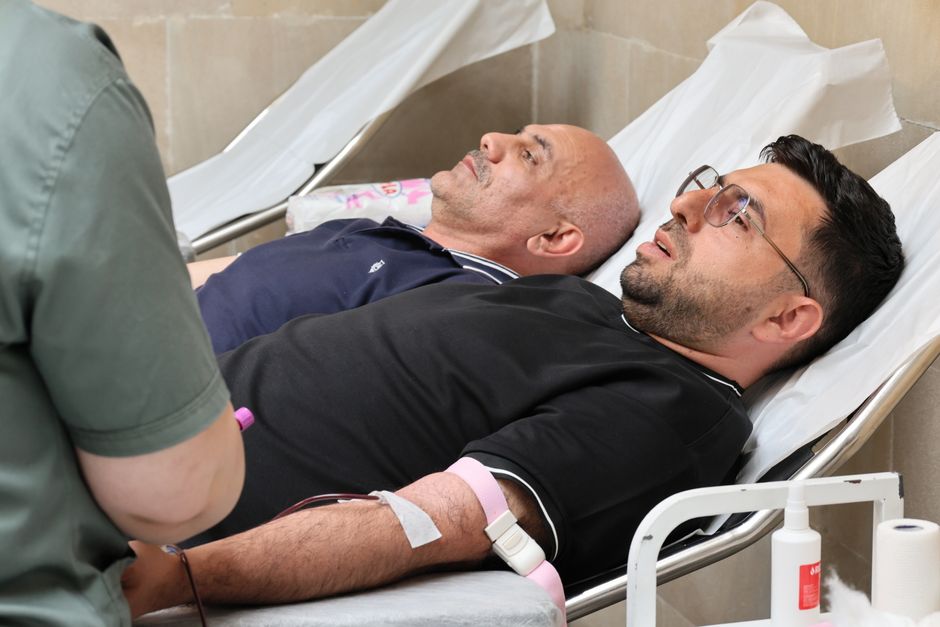
The actual donation takes about 8 to 10 minutes. You sit in a reclining chair while a needle is placed in your arm. Most people feel a small pinch. After the needle is in, you will not feel much. The blood flows into a collection bag. You can watch TV, listen to music, or just relax.
After the donation, you rest for 10 to 15 minutes. You get snacks and juice to help your body recover. Most people feel fine and can go about their day. It is a good idea to avoid heavy lifting or intense exercise for the rest of the day. Drink extra fluids and eat a normal meal.
The entire process takes about an hour from start to finish. The actual blood draw is the shortest part. Most of the time is spent on screening and recovery. This is by design. The safety checks are what make blood donation so safe.
Common Misconceptions About Blood Donation
One common myth is that donating blood weakens your immune system. This is not true. Your body quickly replaces the lost blood cells. The immune system remains fully functional. Some research even suggests that blood donation may boost immune function by reducing iron overload. But this effect is small and not a reason to donate.
Another myth is that donating blood causes weight gain or weight loss. It does neither. You lose about one pound of blood during donation, but this is water and cells, not fat. Your body replaces the fluid within 24 hours. The snacks provided after donation are small and will not cause weight gain.
Some people worry that donating blood will make them anemic. This can happen if you donate too frequently without enough iron in your diet. But with proper spacing between donations and adequate iron intake, most people maintain healthy levels. The waiting period between donations is designed to prevent this problem.
Finally, there is a myth that blood donation is painful. Most donors describe it as a mild pinch. The discomfort is brief. The benefits of saving up to three lives with one donation far outweigh the minor, temporary discomfort. The fear of pain is much worse than the reality for most people.
Frequently Asked Questions
Can donating blood cause long-term health problems?
No, long-term health problems from blood donation are extremely rare. The most common long-term issue is low iron stores in frequent donors, which is reversible with diet or supplements.
How often can you safely donate blood?
You can donate whole blood every 56 days, or up to six times per year. Platelet and plasma donations have different schedules, usually every 7 to 14 days.
Does donating blood lower your immune system?
No, donating blood does not weaken your immune system. Your body replaces the lost cells quickly and your immune function remains normal.
Is it safe to donate blood if you have high blood pressure?
It depends on your blood pressure reading. Most blood centers accept donors with blood pressure under 180/100, as long as it is controlled and you are not having symptoms.
