
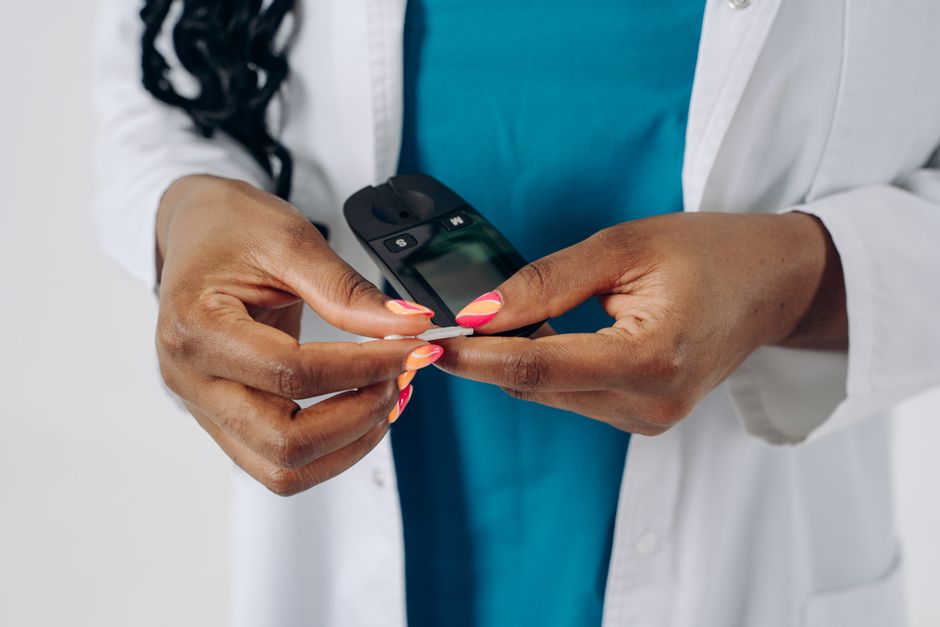
Blood sugar that drops too low is called hypoglycemia. For most people, that means a blood glucose level below 70 mg/dL. When your blood sugar falls below this point, your body and brain do not get the energy they need to function properly. Left untreated, severe hypoglycemia can lead to confusion, seizures, unconsciousness, and even death. This is not a condition to brush off or wait out.
What Is Too Low For Blood Sugar Levels Risks?
The immediate risks of low blood sugar are neurological. Your brain depends almost entirely on glucose for fuel. When glucose levels fall, brain function starts to decline. Early signs include shakiness, sweating, and a rapid heartbeat. As the level drops further, thinking becomes muddled, coordination suffers, and behavior can change.
Severe hypoglycemia is a medical emergency. A person can lose consciousness or have a seizure. Without prompt treatment, brain damage can occur. The longer the brain goes without adequate glucose, the greater the risk of permanent harm. Death is possible in the most extreme cases.
There is also a less obvious risk: hypoglycemia unawareness. This happens when a person has frequent low blood sugar episodes and their body stops producing warning symptoms. They no longer feel the shakiness or sweating that signals danger. This makes severe lows much more likely because the person does not know to treat themselves early.
What Blood Sugar Level Is Considered Dangerous?
Blood sugar below 70 mg/dL is the standard threshold for hypoglycemia. Levels between 54 and 69 mg/dL are considered mildly low and require treatment. Levels below 54 mg/dL are considered clinically significant hypoglycemia. At this point, the risk of severe symptoms and complications rises sharply.
For people without diabetes, symptoms usually appear at different levels. Some people feel symptoms at 70 mg/dL. Others do not feel anything until glucose drops into the 50s. For people with diabetes, especially those using insulin, the 70 mg/dL threshold is the universal warning line. Treat any reading below this number, even if you feel fine.
| Blood Sugar Level | Category | Action Needed |
|---|---|---|
| Below 54 mg/dL | Severe hypoglycemia | Immediate treatment; may need medical help |
| 54–69 mg/dL | Mild hypoglycemia | Consume fast-acting carbohydrates |
| 70 mg/dL | Standard threshold | Begin treatment if symptoms are present |
| 70–99 mg/dL | Normal fasting range | No action needed |
What Causes Blood Sugar to Drop Too Low?
The most common cause is diabetes medication. Insulin and certain oral diabetes drugs lower blood sugar directly. Taking too much, eating too little, or exercising more than usual can push glucose below safe levels. Skipping meals while on these medications is a frequent trigger.
Alcohol is another significant cause, particularly for people with diabetes. Drinking on an empty stomach can cause blood sugar to drop hours later. The liver is busy processing alcohol and cannot release stored glucose effectively. This delayed drop can happen overnight and is especially dangerous.
For people without diabetes, hypoglycemia is less common but still possible. Certain illnesses, liver disease, kidney disorders, and hormone deficiencies can cause low blood sugar. Some rare tumors produce excess insulin. Eating disorders that involve severe food restriction can also lead to hypoglycemia.


What Are the First Signs of Low Blood Sugar?
Symptoms can come on quickly. The first signs are often autonomic — meaning they come from your body’s stress response. These include:
- Shakiness or trembling
- Sweating
- Rapid heartbeat
- Anxiety or irritability
- Hunger
Neuroglycopenic symptoms follow when the brain is affected. These are more serious and indicate the low is progressing. They include:
- Difficulty concentrating
- Confusion
- Slurred speech
- Blurred vision
- Dizziness or weakness
If these symptoms appear, test your blood sugar immediately if you can. If you cannot test, treat anyway. The risks of treating a mild low when glucose is actually normal are far less than the risks of ignoring a true low.
How Do You Treat Low Blood Sugar Quickly?
The rule of 15 is the standard approach. Eat or drink 15 grams of fast-acting carbohydrates. Wait 15 minutes. Test your blood sugar again. If it is still below 70 mg/dL, repeat the process.
Good sources of fast-acting carbohydrates include glucose tablets, glucose gel, fruit juice, regular soda, honey, or sugar dissolved in water. Each of these provides roughly 15 grams of carbohydrate in a standard serving. Check food labels to confirm the amount.
Do not use foods high in fat or protein for an immediate low. Chocolate, candy bars, ice cream, and nuts slow down sugar absorption. They will not raise blood sugar quickly enough. Use them only after your glucose has returned to a safe range to prevent another drop.
After your blood sugar is back above 70 mg/dL, eat a small snack containing protein or complex carbohydrates if your next meal is more than an hour away. This helps stabilize glucose and prevents a second drop.
When Is Low Blood Sugar a Medical Emergency?
Severe hypoglycemia requires emergency help. Call for medical assistance if the person is unconscious, having a seizure, or cannot swallow safely. Do not attempt to give food or drink to an unconscious person. They can choke.
Glucagon is the emergency treatment for severe hypoglycemia. It is a prescription medication that raises blood sugar by causing the liver to release stored glucose. It comes as an injection or a nasal powder. Family members and caregivers of people with diabetes should know how to use it.
If glucagon is not available, emergency medical services should be called immediately. Paramedics can administer intravenous glucose. This works fastest and is the standard hospital treatment for severe hypoglycemia.
Anyone who experiences a severe low that requires help from another person should have their diabetes management plan reviewed by their doctor. This event signals that current medications or doses may need adjustment.
How Can You Prevent Low Blood Sugar?
Prevention starts with understanding your patterns. Check blood sugar regularly, especially before meals, before exercise, and before bed. Keep a record of lows to identify triggers. Many people notice that lows happen at the same time of day or after the same activity.
Eat consistent meals and snacks. Do not skip meals, especially if you take insulin or other glucose-lowering medications. If you plan to exercise, check your blood sugar beforehand. You may need a snack before or during physical activity.
Talk to your doctor about your medication doses. If you have frequent lows, your doses may be too high. Adjustments should always be made with medical guidance. Never change your diabetes medication on your own.
Wear medical identification. A bracelet or necklace that states you have diabetes can be lifesaving if you cannot speak during a severe low. Emergency responders are trained to look for these.
What Happens During Sleep With Low Blood Sugar?
Nocturnal hypoglycemia is low blood sugar that occurs during sleep. It is common and often goes unnoticed. Many people sleep through the early warning signs. They wake up with a headache, feel tired, or have night sweats.
This is especially dangerous because the person cannot treat themselves while asleep. Blood sugar can fall for hours without intervention. Over time, repeated nighttime lows contribute to hypoglycemia unawareness.
Checking blood sugar before bed is the simplest prevention step. If your level is below your target range, eat a small snack. Continuous glucose monitors can alert you to nighttime lows. These devices sound an alarm when glucose falls below a set threshold.
Frequently Asked Questions
What blood sugar level causes brain damage?
Brain damage becomes a real risk when blood sugar stays below 54 mg/dL for a prolonged period, especially if it drops into the 40s or lower. The exact level and duration vary by person, but prolonged severe hypoglycemia can cause permanent neurological harm.
Can low blood sugar kill you?
Yes, severe untreated hypoglycemia can be fatal. When the brain is deprived of glucose for too long, it can stop functioning, leading to coma and death.
How low can blood sugar go before a diabetic coma?
There is no single number that triggers a diabetic coma. Most people lose consciousness when blood sugar falls below 50 mg/dL, but this threshold varies. Some people become unconscious at higher levels, while others remain alert at lower levels.
Is 60 mg/dL too low for blood sugar?
Yes, 60 mg/dL is below the 70 mg/dL threshold for hypoglycemia and requires treatment. Even if you feel fine at this level, you should consume fast-acting carbohydrates to bring your glucose back into a safe range.
