
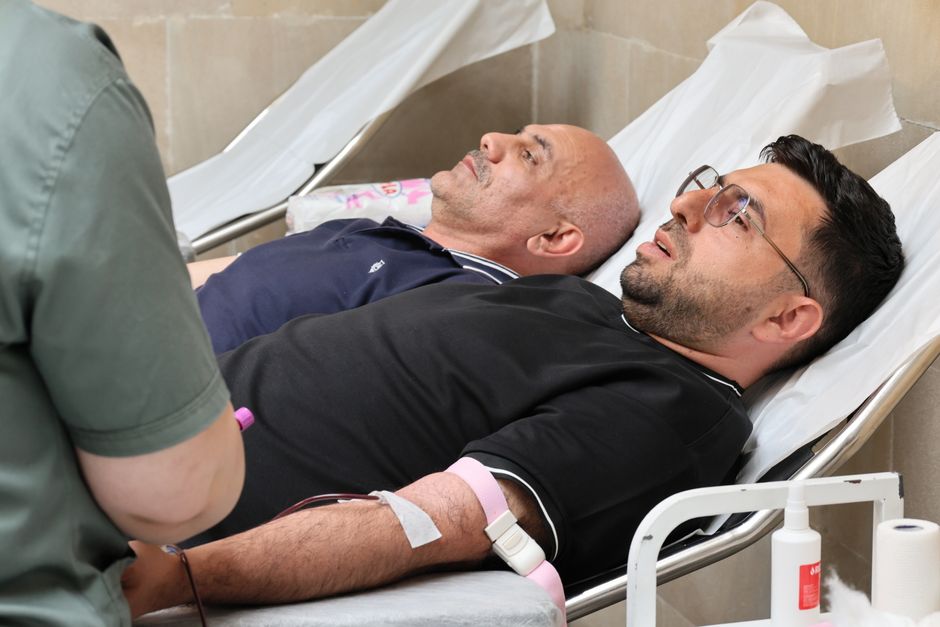
Donating blood does not lower your immune system in any lasting or meaningful way. Your body replaces the blood you give within weeks, and your immune system keeps working normally throughout the process. While you may feel tired for a day or two, your ability to fight off infections stays intact.
What Actually Happens to Your Blood After Donation
When you donate blood, you give about one pint. The average adult has about 10 pints, so you are giving roughly 10 percent of your total blood volume. Your body notices the loss immediately.
Within hours, your body starts pulling fluid from your tissues to replace the plasma portion of your blood. That is why you are told to drink extra water after donating. Your blood volume returns to normal within 24 to 48 hours.
Red blood cells take longer to replace. Your bone marrow ramps up production, and it typically takes four to six weeks to fully replace the red cells you donated. This is why blood donation centers require a waiting period of 56 days between whole blood donations.
Your immune cells are a different story. White blood cells are a small fraction of what you donate, and your body replaces them quickly. Your immune system does not have a “reserve” that gets depleted by donation.
Does Donating Blood Lower Your Immune System in the Short Term
There is a brief, measurable dip in some immune cell counts right after donation. Studies have shown that certain white blood cell populations drop slightly immediately after you give blood. This is a temporary laboratory finding, not a clinical problem.
Your body has stores of immune cells in your spleen, lymph nodes, and bone marrow. These reserves mobilize quickly to keep your immune defenses at full strength. Within days, your white blood cell counts return to baseline.
One small study found that some immune markers stayed slightly lower for up to a month after donation. But no research has shown that this translates into more infections or a higher risk of getting sick. The immune system has enormous redundancy. Losing a small number of cells from your bloodstream does not impair its function.
Feeling tired after donating is common, but fatigue is not the same as immune suppression. The tiredness comes from the temporary drop in red blood cells, which carry oxygen. Your body compensates within a couple of weeks.
Who Should Not Donate Blood
Blood donation is safe for most healthy adults, but some people should not donate. The screening process exists to protect both the donor and the person receiving the blood.
You should not donate if you have an active infection or a fever. Your body is already working hard to fight off the illness, and donation adds unnecessary stress. Wait until you are fully recovered.
People with certain chronic conditions may be deferred from donation. These include some heart conditions, uncontrolled high blood pressure, and certain blood disorders. The donation center staff will review your health history before you give blood.
If you have low iron levels or a history of anemia, you may not be able to donate. Donation centers check your hemoglobin before every donation. Low iron is the most common reason people are turned away.
People who are pregnant or recently gave birth should not donate. Your body needs its iron stores to support the baby and recover from childbirth. Wait at least six weeks after delivery, and only donate if your iron levels are normal.
If you have a weakened immune system due to a medical condition or treatment, talk to your doctor before donating. This includes people undergoing chemotherapy, taking immunosuppressive medications, or living with advanced HIV. Donation is generally not recommended in these situations, but the decision should be made with your healthcare provider.





How Long Until Your Body Fully Recovers
Your body recovers from blood donation in stages. Plasma volume returns within 24 to 48 hours. White blood cells return to normal within days. Red blood cells take four to six weeks to fully replace.
Your iron levels take the longest to recover. You lose about 200 to 250 milligrams of iron in a single whole blood donation. If your iron stores are adequate, you can rebuild this over several weeks to a few months.
Eating iron-rich foods after donating can help. Good sources include lean red meat, poultry, fish, beans, lentils, and fortified cereals. Vitamin C helps your body absorb iron, so eating citrus fruits or bell peppers alongside iron-rich foods is helpful.
Your body prioritizes replacing what you lost. The bone marrow increases production of red blood cells within days of donation. This is a normal, well-regulated process that your body handles without any long-term consequences.
The Difference Between Blood Donation and Plasma Donation
Plasma donation is different from whole blood donation. When you donate plasma, a machine separates the plasma from your blood and returns the red cells and platelets to you. This process takes longer but has a different recovery profile.
Because you keep your red blood cells, plasma donation does not affect your iron stores. Your body replaces the plasma proteins within 24 to 48 hours. This is why people can donate plasma more frequently than whole blood.
Plasma donation does remove antibodies from your bloodstream. These are the proteins that help fight specific infections. Your body makes new antibodies constantly, so this is not a lasting loss. Your antibody levels return to normal within days.
Some research suggests that frequent plasma donation can lower total protein and immunoglobulin levels over time. This is why donation centers limit how often you can give plasma. The standard limit in the United States is twice per week, with at least 48 hours between donations.
What the Research Actually Shows
Research on blood donation and immune function is limited but consistent. No large study has found that regular blood donors have weaker immune systems than non-donors. In fact, some studies suggest donors may have certain health advantages, though these findings are preliminary.
One area of ongoing research looks at whether regular blood donation reduces iron stores in a way that might lower cancer risk. Some observational studies have found lower cancer rates among frequent donors. These findings are not conclusive, and no one should donate blood specifically to reduce cancer risk.
The evidence is clear on one point: blood donation is safe for healthy adults. The American Red Cross and other major blood collection organizations collect millions of donations every year. Serious complications from donation are rare.
If you are a healthy adult, donating blood does not weaken your immune system. You can donate on a regular schedule without compromising your body’s ability to fight infections.
Practical Tips for a Smooth Donation
- Drink plenty of water in the 24 hours before your appointment. Hydration makes the process easier and helps your body recover faster.
- Eat a full meal before donating. Do not donate on an empty stomach.
- Wear clothing with sleeves you can roll up above your elbow.
- Bring identification and your donor card if you have one.
- After donating, eat the snack provided and stay for the recommended 15 minutes of observation.
- Avoid heavy lifting and intense exercise for the rest of the day.
- Do not drink alcohol for at least 24 hours after donating.
If you feel dizzy or lightheaded during or after donation, tell the staff immediately. This is common and usually resolves quickly with rest and fluids. Serious reactions are rare.
When to See a Doctor After Donating
Most people feel fine after donating blood. Some mild fatigue or lightheadedness is normal. These symptoms typically resolve within a day.
You should contact a doctor if you develop a fever, chills, or signs of infection at the needle site. These are not normal reactions to donation and require medical evaluation. Redness, swelling, or warmth at the injection site can indicate an infection.
If you feel unusually weak, short of breath, or have chest pain after donating, seek medical attention. These symptoms may indicate that your body is not recovering as expected. This is rare, but it should not be ignored.
Keep in mind that donating blood does not make you more susceptible to catching a cold or the flu. If you get sick after donating, it is a coincidence, not a consequence. Your immune system was not weakened by the donation.
Frequently Asked Questions
How long does it take for your immune system to recover after donating blood?
White blood cell counts return to normal within a few days. Your immune system functions normally throughout the recovery period.
Can donating blood make you more likely to get sick?
No research has shown that blood donation increases your risk of infections. Your immune system has enough reserve to maintain full protection.
How often can you safely donate blood?
Whole blood donation is allowed every 56 days in the United States. This gives your body enough time to fully replace red blood cells and iron stores.
Does donating blood lower your iron levels permanently?
No. Your iron levels drop temporarily but return to normal within several weeks to a few months if your diet provides adequate iron.
