
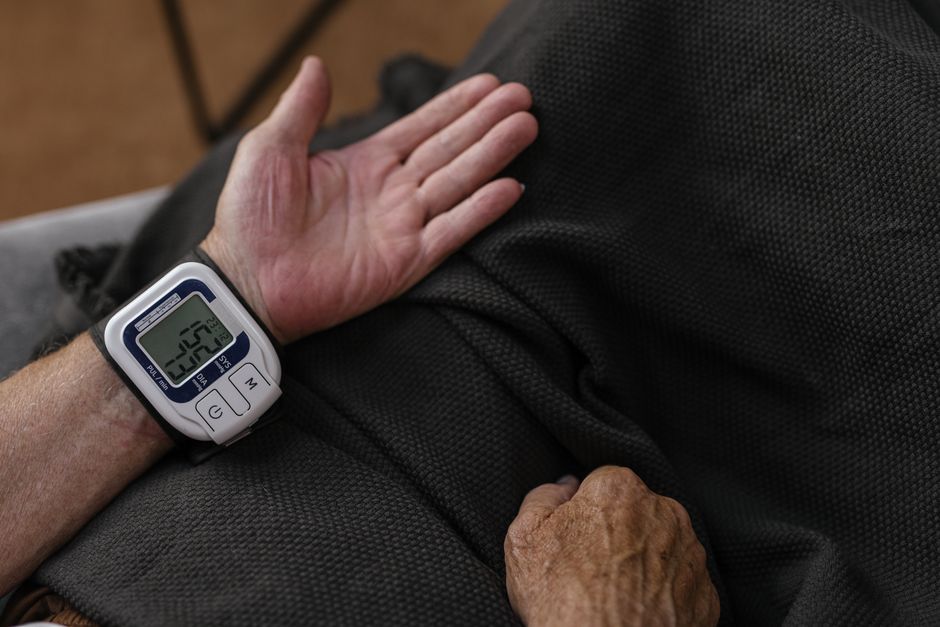
Yes, a blood pressure reading of 118/83 is generally considered normal to elevated. The top number (118) is well within the ideal range. The bottom number (83) is slightly above the optimal target of 80. This means your reading is not dangerous, but it is a signal worth paying attention to. Many people see numbers like this and worry unnecessarily, while others ignore a sign that their health habits could use a small adjustment. Here is what the evidence actually says about 118/83 and what it means for you.
What Do the Numbers 118 and 83 Actually Mean?
Blood pressure is recorded as two numbers. The top number, 118, is your systolic pressure. This measures the force in your arteries when your heart beats. The bottom number, 83, is your diastolic pressure. This measures the force when your heart rests between beats.
Current guidelines from major health organizations classify normal blood pressure as below 120/80. A reading of 118/83 falls into a category sometimes called elevated blood pressure. The systolic number is fine. The diastolic number is one point above what doctors consider optimal.
Research shows that diastolic pressure between 80 and 89 is a stage where risk for future hypertension begins to increase. This does not mean you have high blood pressure. It means your body is showing early signs that your blood vessels may be under slightly more pressure than ideal.
Many people focus only on the top number. That is a mistake. The diastolic number matters, especially for adults under 60. Some studies suggest that diastolic pressure is a stronger predictor of heart risk in younger and middle-aged adults than systolic pressure is.
Is 118 83 a Good Blood Pressure Reading for Your Age?
Age changes what normal looks like. For most adults under 65, a reading of 118/83 is acceptable but not perfect. Your systolic number is excellent. Your diastolic number is slightly higher than ideal.
For adults over 65, this reading is actually quite good. As people age, systolic pressure tends to rise while diastolic pressure often stays the same or drops. A diastolic reading of 83 in an older adult is typically not a concern.
For younger adults, especially those in their 30s and 40s, a diastolic of 83 is worth watching. Research indicates that sustained diastolic readings above 80 in younger adults are linked to a higher chance of developing hypertension later in life.
The table below shows how 118/83 compares to standard blood pressure categories:
| Category | Systolic (top number) | Diastolic (bottom number) |
|———-|———————-|—————————|
| Normal | Below 120 | Below 80 |
| Elevated | 120-129 | Below 80 |
| Stage 1 Hypertension | 130-139 | 80-89 |
| Stage 2 Hypertension | 140 or higher | 90 or higher |
Your reading of 118/83 places your systolic in the normal range and your diastolic in the Stage 1 hypertension range. This is why doctors do not panic at this number but also do not ignore it.
What Causes a Diastolic Reading of 83?
Several factors can push your diastolic pressure a few points above 80. The most common cause is lifestyle. A diet high in sodium is a major contributor. The average American consumes about 3,400 mg of sodium daily. The recommended limit is 2,300 mg. For people with elevated blood pressure, the target is often 1,500 mg.
Stress also raises diastolic pressure more than systolic pressure for many people. When you are stressed, your blood vessels constrict. This increases resistance in your arteries, which shows up in the diastolic number.
Body weight is another factor. Excess body fat, especially around the abdomen, increases the workload on your heart and raises pressure in your arteries. Even 10 to 15 pounds of extra weight can push diastolic pressure up by a few points.
Lack of physical activity contributes as well. Regular exercise makes your heart stronger and more efficient. A stronger heart pumps more blood with less effort, which lowers both numbers over time.
Alcohol consumption has a direct effect on blood pressure. Drinking more than one drink per day for women or two for men is linked to higher readings. Binge drinking can cause sharp temporary spikes.


Should You Worry About 118/83 or Take Medication?
This is the question most people want answered directly. The short answer is no, you do not need medication for 118/83. Current guidelines recommend lifestyle changes, not drugs, for readings in this range.
Doctors typically do not prescribe blood pressure medication unless readings are consistently above 130/80. Some guidelines suggest medication at 130/80 if you have other risk factors like diabetes or kidney disease. At 118/83, medication is not indicated.
What you should do is monitor. A single reading of 118/83 does not tell you much. Blood pressure fluctuates throughout the day. It is higher when you are active, stressed, or after eating. It is lowest when you are resting or sleeping.
To get an accurate picture, take your blood pressure at the same time each day. Morning before eating or taking medication is best. Sit quietly for five minutes before measuring. Take two or three readings one minute apart and average them.
If your readings consistently show a diastolic of 83 or higher over several weeks, that is when you should talk to your doctor. They may recommend lifestyle changes or additional testing. They will not put you on medication for this number alone.
What Lifestyle Changes Actually Work for Lowering Diastolic Pressure?
Research is clear on what works and what does not. The DASH diet has the strongest evidence. DASH stands for Dietary Approaches to Stop Hypertension. It emphasizes fruits, vegetables, whole grains, and low-fat dairy while limiting sodium, red meat, and added sugars.
Studies have found that following the DASH diet can lower systolic pressure by 8 to 14 points and diastolic by 4 to 6 points. That is enough to bring 83 down to 77 or 78 for many people.
Reducing sodium is the single most effective dietary change. Most sodium comes from processed foods, not the salt shaker. Bread, deli meat, canned soup, pizza, and restaurant meals are the biggest sources. Cutting just 1,000 mg of sodium per day can lower blood pressure by 2 to 4 points.
Exercise also works. The American Heart Association recommends at least 150 minutes of moderate activity per week. Brisk walking, cycling, or swimming all count. Strength training twice per week adds additional benefit.
Weight loss has a clear dose-response relationship with blood pressure. Losing 5 to 10 percent of your body weight can lower both numbers significantly. For a 200-pound person, that means losing 10 to 20 pounds.
Stress management is often overlooked but evidence supports it. Mindfulness meditation and slow breathing exercises have been shown to lower diastolic pressure by 2 to 5 points in some studies. The effect is modest but real.
What Common Mistakes Do People Make With Blood Pressure Readings?
Many people get inaccurate readings and then worry or celebrate for the wrong reasons. The most common mistake is taking blood pressure right after waking up or after eating. Your body needs time to settle.
Another mistake is using the wrong cuff size. A cuff that is too small can give a reading that is 10 to 40 points too high. Most home monitors come with a standard cuff that fits arms 9 to 13 inches around. If your arm is larger or smaller, you need a different size.
Talking during the measurement can raise your reading by 10 points. Crossing your legs can add 2 to 8 points. Having a full bladder can add 10 to 15 points. These are real effects that change your numbers.
Some people take one reading and assume it represents their true blood pressure. Blood pressure varies naturally. A single high reading is not hypertension. A single normal reading is not proof your blood pressure is fine.
White coat hypertension is another factor. Some people have normal blood pressure at home but high readings at the doctor’s office due to anxiety. This is real and affects about 15 to 30 percent of people. Home monitoring is the best way to check for this.
Frequently Asked Questions
Is 118 over 83 considered high blood pressure?
No, 118/83 is not considered high blood pressure. The systolic number is normal and the diastolic is slightly elevated but still within a range that does not require medication for most people.
Should I see a doctor for 118/83 blood pressure?
You do not need to see a doctor urgently for a single reading of 118/83. If your readings stay in this range consistently over several weeks, mention it at your next routine appointment.
Can 118/83 be lowered without medication?
Yes, lifestyle changes like reducing sodium, losing weight, exercising regularly, and managing stress can lower this reading. The DASH diet has the strongest research support for reducing both numbers.
What is a normal diastolic blood pressure by age?
For adults under 60, a diastolic below 80 is ideal. For adults over 60, diastolic readings below 90 are generally acceptable. Current research suggests that diastolic above 80 at any age is worth monitoring.
As of 2026, the consensus among cardiologists is that 118/83 is a yellow flag, not a red one. It does not mean something is wrong. It means your body is giving you early feedback. The best response is not worry. It is attention. Small changes to diet and activity levels are usually enough to bring the diastolic number back below 80. The evidence supports that these changes work, and they work best when started early.
