
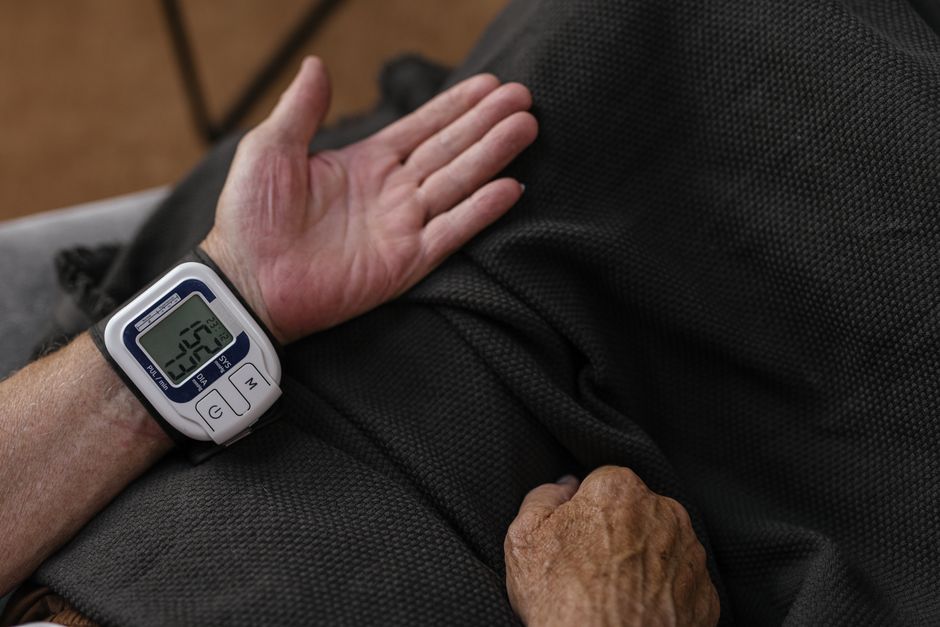
Your blood pressure does not just happen on its own. It is controlled by a few key systems in your body that work together every second. The main systems are your heart, your blood vessels, your kidneys, and a set of hormones that act like a communication network. Your nervous system also plays a big role by sending quick signals to adjust blood pressure as you move, stand up, or feel stressed. Understanding these systems helps you see why some things raise or lower your blood pressure and what you can actually do about it.
How Does the Heart Control Blood Pressure?
Your heart is the pump. Every time it beats, it pushes blood into your arteries. The force of that push creates your systolic blood pressure, the top number. When your heart relaxes between beats, the pressure drops to your diastolic number, the bottom number.
Research shows that how fast your heart beats and how hard it pumps directly affect your blood pressure. A faster heart rate means more blood is being pushed through your vessels per minute. This raises pressure. A stronger squeeze from the heart muscle also raises pressure. Some studies suggest that people with a consistently high resting heart rate may have a higher risk of developing high blood pressure over time. This is one reason why regular exercise matters — it trains your heart to pump more efficiently with less effort.
What Role Do Blood Vessels Play in Blood Pressure Control?
Your blood vessels are not just passive pipes. They are active and can change their width. When your blood vessels get narrower, a process called vasoconstriction, the same amount of blood has to squeeze through a smaller space. This raises pressure. When they widen, called vasodilation, pressure drops.
Your body controls vessel width through your nervous system and chemical signals. Your arteries have a layer of smooth muscle that can tighten or relax. This happens constantly throughout the day. When you stand up, your vessels in your legs tighten to push blood back up to your heart. When you are hot, they widen to release heat. Current research suggests that the health of the inner lining of your blood vessels, called the endothelium, is a major factor in long-term blood pressure control. A healthy endothelium releases nitric oxide, which helps vessels relax. An unhealthy one does not.
How Do the Kidneys Regulate Blood Pressure?
Your kidneys are not just for filtering waste. They are central to blood pressure control. They manage how much fluid is in your body. More fluid means more blood volume. More blood volume means higher pressure on your vessel walls.
Your kidneys also release an enzyme called renin. This starts a chain reaction known as the renin-angiotensin-aldosterone system, or RAAS for short. Here is how it works in simple terms:
- When your blood pressure drops, your kidneys release renin.
- Renin helps create a hormone called angiotensin II.
- Angiotensin II makes blood vessels narrow, raising pressure quickly.
- It also signals your adrenal glands to release aldosterone.
- Aldosterone tells your kidneys to hold onto sodium and water.
- More sodium and water mean more blood volume and higher pressure.
This system is powerful. Many blood pressure medications work by blocking parts of this system. ACE inhibitors and ARBs, for example, stop angiotensin II from having its full effect. This is not a guess. Clinical studies have repeatedly shown these drugs lower blood pressure effectively by targeting this exact pathway.


What Controls Blood Pressure the Body’s Key Systems in the Nervous System?
Your autonomic nervous system handles blood pressure without you thinking about it. It has two main parts. The sympathetic nervous system is your fight or flight response. It speeds up your heart and narrows your blood vessels, raising pressure. The parasympathetic nervous system is your rest and digest response. It slows your heart and widens vessels, lowering pressure.
These systems respond in milliseconds. When you stand up quickly, sensors in your neck called baroreceptors detect the drop in pressure. They send a signal to your brainstem. Your brainstem then tells your sympathetic system to tighten your vessels and speed up your heart. This is why you do not faint every time you stand. Some people have a less responsive baroreflex, which can lead to dizziness or blood pressure swings. Aging and conditions like diabetes can dull this reflex over time.
Stress activates the sympathetic system too. Chronic stress keeps this system switched on more than it should be. Evidence indicates that long-term activation of the sympathetic nervous system contributes to sustained high blood pressure. This is not about being relaxed. It is about a biological system being stuck in a high-alert state.
What Actually Works to Support These Systems?
Knowing what controls your blood pressure helps you understand what lifestyle changes actually matter. The evidence is clear on a few things. Reducing sodium intake helps your kidneys manage fluid balance more easily. Most Americans get far more sodium than needed, largely from processed foods, not the salt shaker.
Potassium is the opposite. It helps your blood vessels relax and supports healthy kidney function. Foods like potatoes, spinach, avocados, and bananas are good sources. A study called the DASH trial showed that a diet rich in fruits, vegetables, and low-fat dairy, which is high in potassium and low in sodium, lowers blood pressure significantly in just a few weeks.
Regular physical activity helps your heart pump more efficiently and keeps your blood vessels flexible. Even brisk walking for 30 minutes most days makes a measurable difference. Weight loss, even modest amounts, reduces the workload on your heart and lowers pressure. Limiting alcohol to no more than one drink per day for women and two for men also helps. As of 2026, no credible evidence supports the idea that any single supplement or herb replaces these basic lifestyle measures.
Here is a comparison of how different systems respond to common interventions:
| System | What Lowers Its Activity | What Raises Its Activity |
|---|---|---|
| Heart | Regular aerobic exercise, weight loss | High sodium, stimulants, lack of sleep |
| Blood Vessels | Potassium, nitric oxide from exercise | Smoking, high sugar, chronic stress |
| Kidneys | Low sodium diet, adequate hydration | Excess sodium, dehydration, high alcohol |
| Nervous System | Deep breathing, consistent sleep schedule | Chronic stress, caffeine in sensitive people |
Common Misconceptions About Blood Pressure Control
One widespread myth is that high blood pressure is mainly caused by stress or anxiety. Stress can raise it temporarily, but it is not the primary cause for most people. The main drivers are diet, weight, physical activity, and genetics. Stress is a contributor, not the root.
Another common belief is that you can feel when your blood pressure is high. Most people cannot. High blood pressure has no symptoms in the vast majority of cases. This is why it is called the silent killer. The only way to know is to measure it with a cuff. Some people report headaches or nosebleeds, but research shows these only happen at dangerously high levels, usually above 180/120.
Some also think that if their blood pressure is normal at the doctors office, they are fine. This misses the possibility of masked hypertension, where blood pressure is high at home but normal in a clinical setting. It affects about one in eight people. Home monitoring can catch this.
Frequently Asked Questions
What is the most important system for blood pressure control?
No single system is most important because they all work together. The kidneys and the renin-angiotensin system are central for long-term regulation, while the nervous system handles quick adjustments.
Can you lower blood pressure by changing your diet alone?
Yes, for many people. The DASH diet, which is low in sodium and rich in potassium, has been shown in clinical trials to lower blood pressure significantly within two weeks.
Does drinking more water lower blood pressure?
It depends. For someone who is dehydrated, water helps. For most people, drinking extra water does not lower blood pressure and may slightly raise it by increasing blood volume.
How fast can lifestyle changes lower blood pressure?
Some changes like reducing sodium can lower blood pressure within days. The full effect of diet and exercise changes usually shows within two to four weeks.
