
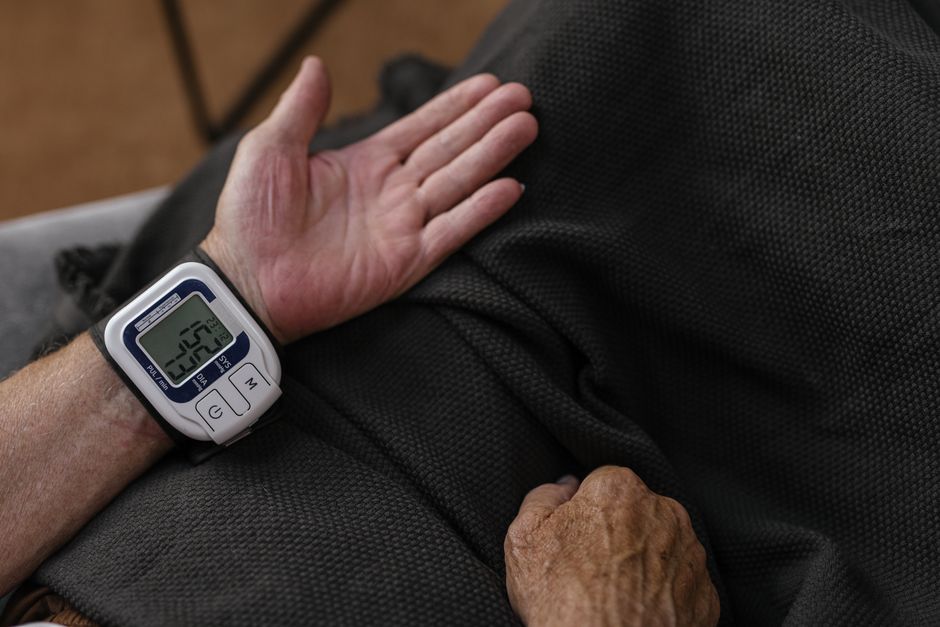
A blood pressure reading of 124/60 mmHg is generally considered acceptable for most adults, but the lower number (diastolic) warrants attention. The top number, 124, sits in the elevated range, while the bottom number, 60, is at the lower edge of normal. This combination is not a medical emergency, but it is a signal to understand your overall cardiovascular health rather than ignore it.
What Do the Numbers 124 and 60 Actually Mean?
Blood pressure is recorded as two numbers. The first number, 124, is your systolic pressure. This measures the force of blood against your artery walls when your heart beats and pumps blood out. The second number, 60, is your diastolic pressure. This measures the pressure in your arteries when your heart rests between beats.
Both numbers matter, but they tell different stories. Systolic pressure naturally rises with age as arteries stiffen. Diastolic pressure tends to peak around age 50 and then gradually decline. A reading of 124/60 shows a wider-than-normal gap between the two numbers, a pattern clinicians call wide pulse pressure.
Is 124 60 A Good Blood Pressure Reading Compared to Guidelines?
Standard clinical guidelines define normal blood pressure as less than 120/80 mmHg. By that standard, the systolic number of 124 places this reading in the elevated category, which spans 120–129 mmHg. Elevated blood pressure means you are at higher risk of developing hypertension if no changes are made.
The diastolic number of 60 is a separate matter. Normal diastolic pressure ranges from 60 to 80 mmHg. A reading of exactly 60 is at the boundary. It is not considered low blood pressure, which is typically defined as below 90/60 mmHg. However, it is low enough that some clinicians watch it closely, especially in older adults.
This reading is not hypertension. Hypertension begins at 130/80 mmHg or higher. So 124/60 is not a diagnosis of high blood pressure. It is a caution flag that your systolic pressure is trending upward even though your diastolic remains low.
Why Is the Gap Between 124 and 60 Important?
The difference between systolic and diastolic pressure is called pulse pressure. In this case, the pulse pressure is 64 mmHg. A normal pulse pressure is around 40 mmHg. A consistently wide pulse pressure of 60 or higher is associated with increased risk of cardiovascular events, particularly in older adults.
Wide pulse pressure often reflects arterial stiffness. As arteries lose elasticity, systolic pressure rises while diastolic pressure falls. This pattern is common in people over 60 but can occur earlier in those with risk factors such as smoking, diabetes, or long-standing high cholesterol.
This does not mean every person with a 124/60 reading has stiff arteries. It means the pattern deserves evaluation. A single reading is never enough to diagnose anything. Blood pressure fluctuates throughout the day based on activity, stress, hydration, and even the time of day.
What Can Cause a Diastolic Reading of 60?
A diastolic pressure of 60 can be perfectly normal for a healthy young adult or an athlete. Trained athletes often have lower resting heart rates and lower diastolic pressures. In these cases, 124/60 is simply a sign of an efficient cardiovascular system.
In older adults, a diastolic reading of 60 may reflect age-related changes in the aorta and major arteries. These vessels stiffen over time, reducing the elastic recoil that maintains diastolic pressure. This is a natural process, not necessarily a disease.
Certain medications can lower diastolic pressure. Blood pressure medications, diuretics, and some antidepressants can all contribute. Dehydration and blood loss also lower both numbers but usually cause more dramatic drops than 60 mmHg.
If the diastolic number is consistently below 60 and accompanied by dizziness, fatigue, or fainting, that is a different situation. Low diastolic pressure with symptoms can reduce blood flow to the heart muscle, especially in people with coronary artery disease. This scenario requires medical evaluation.
How Should You Respond to a 124/60 Reading?
First, do not panic. A single reading of 124/60 is not a crisis. The appropriate response depends on your age, medical history, and whether this pattern appears repeatedly.
If you are under 50 and otherwise healthy, this reading is likely fine. Continue monitoring your blood pressure at home a few times per week, at the same time each day. Keep a log and share it with your doctor at your next visit.
If you are over 60, this pattern deserves a conversation with your clinician. The wide pulse pressure may warrant checking for cardiovascular risk factors. Your doctor may order blood tests, an electrocardiogram, or simply recommend lifestyle adjustments.
Lifestyle measures that support healthy blood pressure include:
- Reducing sodium intake to under 2,300 mg per day, ideally around 1,500 mg
- Following the DASH diet, which emphasizes vegetables, fruits, whole grains, and low-fat dairy
- Getting at least 150 minutes of moderate aerobic activity per week
- Maintaining a healthy weight
- Limiting alcohol to no more than one drink per day for women and two for men
- Managing stress through sleep, mindfulness, or other evidence-based techniques
These measures are supported by decades of research. They do not guarantee a specific blood pressure outcome for any individual, but they consistently reduce cardiovascular risk at the population level.
How to Measure Blood Pressure Accurately at Home
Home monitoring is only useful if the technique is correct. Many people get inaccurate readings without realizing it.
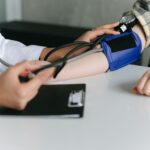
Sit quietly for five minutes before measuring. Do not drink caffeine or exercise within 30 minutes prior. Place the cuff on bare skin, not over clothing. Rest your arm on a flat surface at heart level. Keep your feet flat on the floor and do not cross your legs. Take two readings one minute apart and record both.
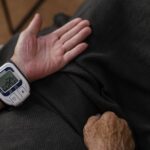
Use a validated upper-arm monitor, not a wrist device. Wrist monitors are less accurate. Check that the cuff size fits your arm. Most adults need a regular or large cuff. A cuff that is too small will give falsely high readings.
Measure at the same times each day, typically morning before medication and evening before dinner. Bring your log to medical appointments. Clinicians can interpret patterns far better than single readings.
When Should You See a Doctor About 124/60?
Schedule an appointment if you see this pattern consistently over several weeks. A single reading at a pharmacy kiosk is not enough to act on. Home monitoring over time provides the data your doctor needs.
Seek prompt medical attention if you experience chest pain, shortness of breath, severe headache, vision changes, or fainting alongside any blood pressure reading. These symptoms are not explained by the numbers alone and require evaluation.
If you are already taking blood pressure medication and see 124/60 repeatedly, do not adjust your dose on your own. Bring the readings to your doctor. Medication adjustments require clinical judgment based on your full picture.
Pregnant women should follow their obstetric provider’s specific guidance. Blood pressure targets differ during pregnancy, and 124/60 may be interpreted differently in that context.
Can 124/60 Be a Problem Long Term?
The long-term concern with this reading is not the diastolic number. It is the systolic number trending upward. Elevated systolic pressure of 120–129 mmHg increases the risk of progressing to full hypertension within a few years if lifestyle factors remain unchanged.
Research consistently shows that sustained systolic pressure above 120 mmHg is associated with increased cardiovascular risk. This relationship holds even when diastolic pressure is normal or low.
The low diastolic number becomes a concern mainly in people with existing heart disease. If the coronary arteries are narrowed, the heart muscle needs adequate pressure during the resting phase to receive blood flow. A diastolic pressure that drops too low can compromise this. However, 60 mmHg is not generally considered too low for most people.
Frequently Asked Questions
Is 124/60 considered high blood pressure?
No. High blood pressure starts at 130/80 mmHg. A reading of 124/60 falls in the elevated range for the systolic number, meaning it is above normal but not yet hypertension.
Is a diastolic pressure of 60 dangerous?
Not by itself. A diastolic reading of 60 is at the lower boundary of normal. It becomes a concern mainly if you have symptoms like dizziness or fainting, or if you have existing heart disease.
Should I take medication for a blood pressure of 124/60?
No. This reading does not meet the threshold for starting blood pressure medication in most people. Lifestyle changes are the appropriate first step, and a doctor should guide any decisions about medication.
What does a wide pulse pressure of 64 mean?
A pulse pressure above 60 mmHg is associated with arterial stiffness and higher cardiovascular risk, particularly in older adults. It is a pattern worth discussing with your doctor, but it is not an emergency.
