
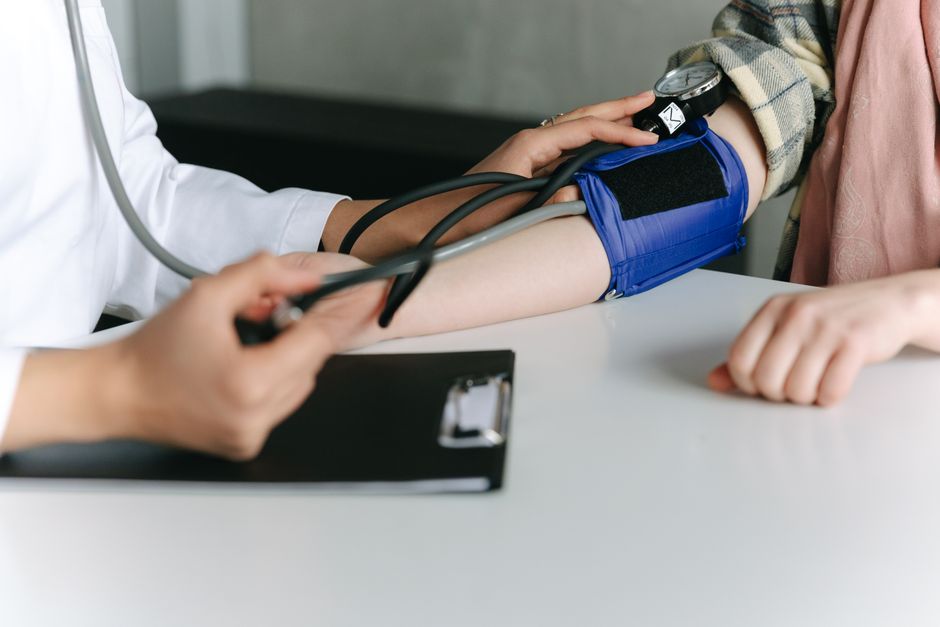
A blood pressure reading of 180/120 mm Hg or higher is considered a hypertensive crisis and is dangerously high. At this level, the pressure inside your arteries is high enough to cause organ damage, and you need medical attention immediately. This is not a number to watch and wait on; it is a medical emergency that requires prompt treatment.
What Is A Dangerously High Blood Pressure Reading?
A dangerously high blood pressure reading is 180/120 mm Hg or higher. This condition is called a hypertensive crisis. The top number, systolic pressure, measures the force when your heart beats. The bottom number, diastolic pressure, measures the force when your heart rests between beats. When both numbers are this high, the risk of stroke, heart attack, kidney damage, or vision loss increases sharply.
If your reading is 180/120 or higher, wait five minutes and take it again. If it is still that high, contact a doctor right away. If you have symptoms like chest pain, shortness of breath, back pain, numbness, weakness, vision changes, or difficulty speaking, call 911 immediately.
What Are the Two Types of Hypertensive Crisis?
Doctors divide a hypertensive crisis into two categories. The difference matters because the treatment and urgency are not the same.
Hypertensive urgency means the reading is 180/120 or higher, but there are no signs of organ damage. You may have a headache or feel anxious, but your heart, brain, kidneys, and eyes are still functioning normally. This still requires medical care, usually within hours, but it is not an immediate life-threatening emergency.
Hypertensive emergency means the reading is 180/120 or higher and there is evidence of organ damage. This could be chest pain, shortness of breath, a severe headache, vision loss, or confusion. This is a medical emergency that requires hospital treatment with intravenous blood pressure medication. Every minute matters because the damage can be permanent.
What Symptoms Come With Dangerously High Blood Pressure?
High blood pressure is often called a silent condition because it usually causes no symptoms. That changes when the reading reaches crisis levels. The symptoms of a hypertensive crisis can include:
- Severe headache
- Shortness of breath
- Chest pain
- Vision changes or blurred vision
- Nausea or vomiting
- Confusion or changes in mental status
- Numbness or weakness on one side of the body
- Blood in the urine
- Difficulty speaking
Some people have a reading of 180/120 and feel completely fine. That does not make it safe. The absence of symptoms does not mean the pressure is not damaging your blood vessels and organs. You still need medical evaluation.

Why Is a Reading of 180/120 So Dangerous?
Blood vessels are elastic, but they have limits. When pressure stays extremely high, the vessel walls can become overwhelmed. This can cause a vessel to tear or leak, which is what happens in an aortic dissection or a hemorrhagic stroke. The high pressure also forces the heart to work harder than it should, which can lead to heart failure or a heart attack.
The kidneys are especially vulnerable. They filter blood through millions of tiny vessels. When the pressure is dangerously high, those vessels can be damaged quickly, leading to acute kidney injury. The eyes are also at risk because their blood vessels are small and delicate. Damage here can cause permanent vision loss.
This is why the medical community treats a reading of 180/120 as a threshold, not just a number. Above this level, the risk of these complications rises steeply. The goal is to lower the pressure safely and quickly, but not too quickly, because a sudden drop can also starve organs of blood.
What Is Considered a Normal Blood Pressure Reading?
Normal blood pressure is below 120/80 mm Hg. Elevated blood pressure is 120–129 systolic with a diastolic below 80. Stage 1 hypertension is 130–139 systolic or 80–89 diastolic. Stage 2 hypertension is 140/90 or higher. These categories come from established clinical guidelines and help doctors decide when to start treatment.
It is important to understand that the risk of heart disease and stroke increases continuously as blood pressure rises above normal. Even a reading of 130/80 carries more risk than a reading of 115/75. The categories are tools for treatment decisions, not a guarantee that you are safe just because you are below 180/120.
What Should You Do If Your Reading Is 180/120 or Higher?
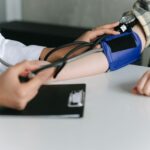
First, sit down and rest for five minutes. Make sure your back is supported, your feet are flat on the floor, and your arm is supported at heart level. Take another reading. Do not take a hot shower or bath to try to lower your pressure. This can actually make the situation worse.
If the second reading is still 180/120 or higher, call your doctor or go to urgent care. If you have any symptoms of organ damage, such as chest pain, shortness of breath, vision changes, or weakness, call 911. Do not drive yourself to the hospital in this condition.
Do not take a double dose of your blood pressure medication to try to bring the number down. This can cause your pressure to drop too low and lead to fainting, stroke, or a heart attack. Only a doctor should decide how to adjust your medication in a crisis situation.
Can You Lower Dangerously High Blood Pressure at Home?
No. A reading of 180/120 or higher cannot be safely managed at home. Home remedies, herbal supplements, and lifestyle changes are not adequate for this level of pressure. They may help prevent high blood pressure over time, but they cannot reverse a hypertensive crisis quickly enough to prevent organ damage.
Some people believe that drinking water, taking garlic, or using apple cider vinegar will lower blood pressure fast. No clinical evidence confirms that these methods work in a crisis. Relying on them delays proper medical treatment and increases the risk of permanent damage.
If you have high blood pressure, the best time to act is before it reaches crisis levels. This means taking prescribed medication consistently, monitoring your blood pressure at home if your doctor recommends it, and attending regular checkups. Managing blood pressure is a long-term effort, not something you can fix in an emergency.
Frequently Asked Questions
What is the highest blood pressure that is safe?
No blood pressure reading above 180/120 mm Hg is considered safe. Readings at or above this level require immediate medical evaluation.
Can a blood pressure of 160/100 cause a stroke?
Yes, a reading of 160/100 is stage 2 hypertension and increases stroke risk, though it is not classified as a hypertensive crisis. The risk rises continuously as blood pressure climbs, so this level still needs prompt medical attention.
How quickly can high blood pressure cause organ damage?
In a hypertensive emergency, organ damage can occur within hours. The kidneys, brain, heart, and eyes are most vulnerable to this rapid damage.
Is 150/90 a dangerous blood pressure reading?
Yes, 150/90 is stage 2 hypertension and requires treatment, but it is not considered a hypertensive crisis. You should see a doctor soon to manage it, but it does not require emergency care unless you have symptoms.
